

In the quiet moments before the bell rings in a Massachusetts classroom, one can often spot the glow of tiny screens as students steal final glances at their devices. These habits have become so commonplace that many educators and families now view them as a central challenge of modern childhood. Lawmakers have taken notice. The Massachusetts House is advancing measures to restrict social media for children under 14 while pursuing a comprehensive Massachusetts school cellphone ban in all public and private schools. This legislation arrives amid rising concern that constant connectivity undermines attention, emotional balance, and the simple ability to be present with one another. Supporters see the proposal as an opportunity to reclaim space for genuine learning and human connection, values that resonate deeply with parents seeking to nurture both the minds and spirits of their children.
The Drive For Legislative Action
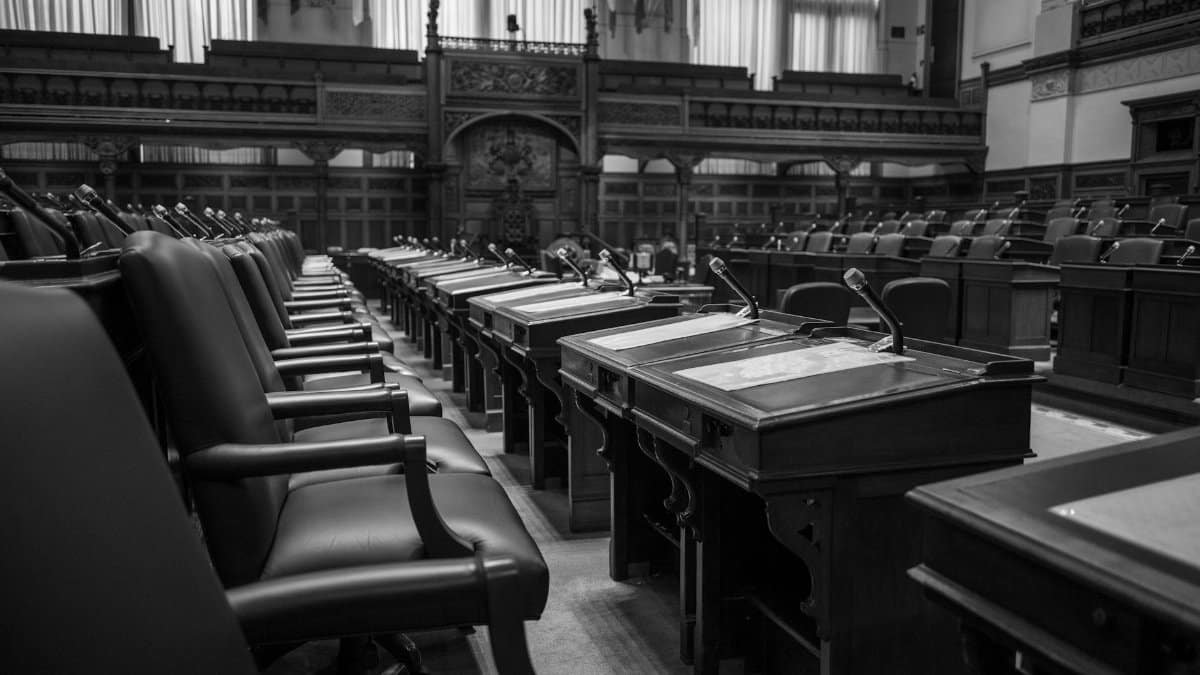
State representatives have spent months gathering testimony from school leaders, mental health professionals, and everyday families. Their effort reflects a growing consensus that smartphones have outpaced the ability of adults to manage them. The proposed Massachusetts school cellphone ban would require students to store devices in lockers or locked pouches from arrival until dismissal. Similar restrictions on social media aim to shield developing brains from algorithmic feeds that experts say fuel anxiety and distorted self image. Lawmakers emphasize that the goal is protection rather than punishment, creating guardrails that allow young people to focus on the tasks before them. Early versions of the bill have gained bipartisan support, suggesting that many elected officials believe the time for voluntary guidelines has passed.
Understanding Impacts On Developing Brains

Neuroscientists have documented how frequent notifications reshape attention spans, particularly in adolescents whose prefrontal cortex is still maturing. Constant exposure to curated online lives can trigger unhealthy comparisons that erode confidence and sleep quality. Advocates for the Massachusetts school cellphone ban point to these findings as evidence that schools must become sanctuaries from digital pressure. Without the relentless pull of devices, students may rediscover the satisfaction that comes from sustained effort and face to face conversation. Many middle aged parents recall their own school days free from such distractions and wonder whether restoring some of that environment could benefit the current generation.
Perspectives From Teachers And Administrators

Educators describe a noticeable difference on days when students somehow arrive without their phones. Discussions grow richer. Conflicts decrease. One high school principal in Worcester reported that minor behavioral issues dropped significantly during a recent pilot program that limited device access. Teachers say the Massachusetts school cellphone ban could restore authority to the classroom rather than leaving it in the hands of distant tech companies. Yet some worry about enforcement and the potential for students to feel cut off from family emergencies. Most nevertheless agree that the current situation, in which devices compete directly with instruction, has become unsustainable.
School administrators are also considering creative solutions such as charging stations at building entrances or secure storage systems that maintain parental contact while removing temptation during the school day. Their practical experience suggests the policy could succeed if paired with clear communication and flexibility for legitimate needs.
What Parents Are Saying Across The State

Conversations with Massachusetts mothers and fathers reveal a mixture of relief and apprehension. Many express gratitude that policymakers are finally addressing what they have struggled to manage alone at home. One parent from Cambridge described watching her daughter grow increasingly anxious after evenings spent scrolling through idealized images. Others worry the ban might create new tensions if children feel singled out or if coordination with after school activities becomes harder. Still the prevailing sentiment among middle aged parents is one of cautious optimism. They hope the Massachusetts school cellphone ban will ease the burden of being the sole enforcer of screen limits and allow families to model healthier boundaries together.
Evidence From Comparable Policies Elsewhere

Several states and countries have already experimented with restrictions on devices in schools. France banned phones during the school day years ago while certain Australian districts have adopted locked pouches with promising results. Closer to home, New York City has wrestled with similar rules and reported improvements in student engagement after initial resistance faded. These examples offer Massachusetts valuable lessons about implementation. Schools that invested time in explaining the why behind the policy tended to encounter less pushback. Data from these efforts suggest that academic performance and social interactions often improve once the adjustment period ends. Policymakers here are studying those outcomes closely before finalizing their approach.
Connecting To Spiritual Wellbeing And Mindfulness

Beyond measurable academic gains lies a quieter argument for the proposed changes. Many families and faith communities see constant phone use as an obstacle to the reflective life. Without the ability to sit with ones own thoughts, young people may struggle to develop the inner resources that support resilience and compassion. The Massachusetts school cellphone ban could create pockets of time during the day for genuine presence, whether in quiet reading, meaningful discussion, or simple contemplation. Spiritual leaders from various traditions have welcomed the conversation, suggesting that reducing digital noise might help children reconnect with a deeper sense of purpose and community. In an age of distraction, the classroom could become a place where young souls learn to listen to something other than their feeds.
Addressing Practical Challenges In Schools

No policy this significant comes without complications. Questions remain about how to handle medical needs, such as students who monitor blood sugar levels through phone apps. Rural districts worry about communication during bus rides or after school sports. Some educators fear the added responsibility of managing storage systems and exceptions. Lawmakers have indicated they will build in flexibility while maintaining the core principle that instructional time should remain phone free. Training for staff and clear guidelines for families will be essential. The success of the Massachusetts school cellphone ban may ultimately depend on whether schools receive adequate support to address these details thoughtfully rather than through rigid enforcement alone.
Scientific Findings On Digital Habits

Research continues to illuminate the relationship between screen time and wellbeing. A comprehensive review by the American Psychological Association found strong associations between heavy social media use and symptoms of anxiety and depression in adolescents. The link is available here: APA Social Media and Teens. Similarly, research from the Pew Research Center shows that a majority of teens feel addicted to their devices yet struggle to disengage. Those studies can be found at Pew Research Center Teens and Technology. These findings lend weight to arguments in favor of structural solutions like the one proposed in Massachusetts. When environments change, behavior often follows even when individual willpower has proven insufficient.
Opportunities For Deeper Family Engagement

Supporters hope the policy will spark broader conversations at dinner tables across the Commonwealth. When schools set clear expectations, parents may feel empowered to do the same at home. Some families already plan device free evenings or screen free weekends and report stronger connections as a result. The legislation could accelerate this cultural shift, encouraging communities to value presence over perpetual availability. For many middle aged parents who remember life before smartphones, the proposal feels like a return to certain essentials: undivided attention, spontaneous conversation, and the ability to experience a moment without documenting it.
Envisioning A New Era For Student Focus

As the legislative process moves forward, Massachusetts stands at a crossroads. The proposed social media restrictions and school cellphone limits represent more than administrative rules. They signal a collective decision about what childhood should look like in the digital age. If successful, the changes could help an entire generation rediscover the rewards of sustained attention and real world relationships. The spiritual dimension matters here too. In creating space free from algorithmic demands, schools may inadvertently nurture qualities such as patience, curiosity, and empathy that no app can teach. The coming months of debate will determine whether Massachusetts chooses to lead in protecting the attention and inner lives of its young people.
The conversation extends beyond politics into fundamental questions about how we raise the next generation. By considering both the practical and the profound implications of the Massachusetts school cellphone ban, lawmakers and citizens alike have an opportunity to shape a future where technology serves young people rather than the other way around. The outcome may influence not only test scores but also the emotional and spiritual landscape of an entire state.