
In a fast-paced world where stress hits from all sides, emotional stability resilience is emerging as a key player in maintaining mental balance. New data from a recent survey shows that 65% of Americans report improved well-being after adopting practices tied to emotional stability resilience. This isn’t just buzz; it’s backed by experts who say building inner strength can transform daily life. As families seek simple ways to foster calm, these tools are gaining traction, promising a steadier path through 2025’s uncertainties.
1. Mindfulness Meditation

Mindfulness meditation stands out as a foundational tool for emotional stability resilience. It involves focusing on the present moment, which helps reduce anxiety and build mental fortitude. Practitioners sit quietly, observing thoughts without judgment. Studies from Harvard Medical School indicate that regular sessions can rewire the brain for better stress response. Start with five minutes daily; apps like Headspace make it accessible. In the U.S., where work pressures mount, this practice offers a quick reset for overwhelmed professionals.
2. Cognitive Reframing
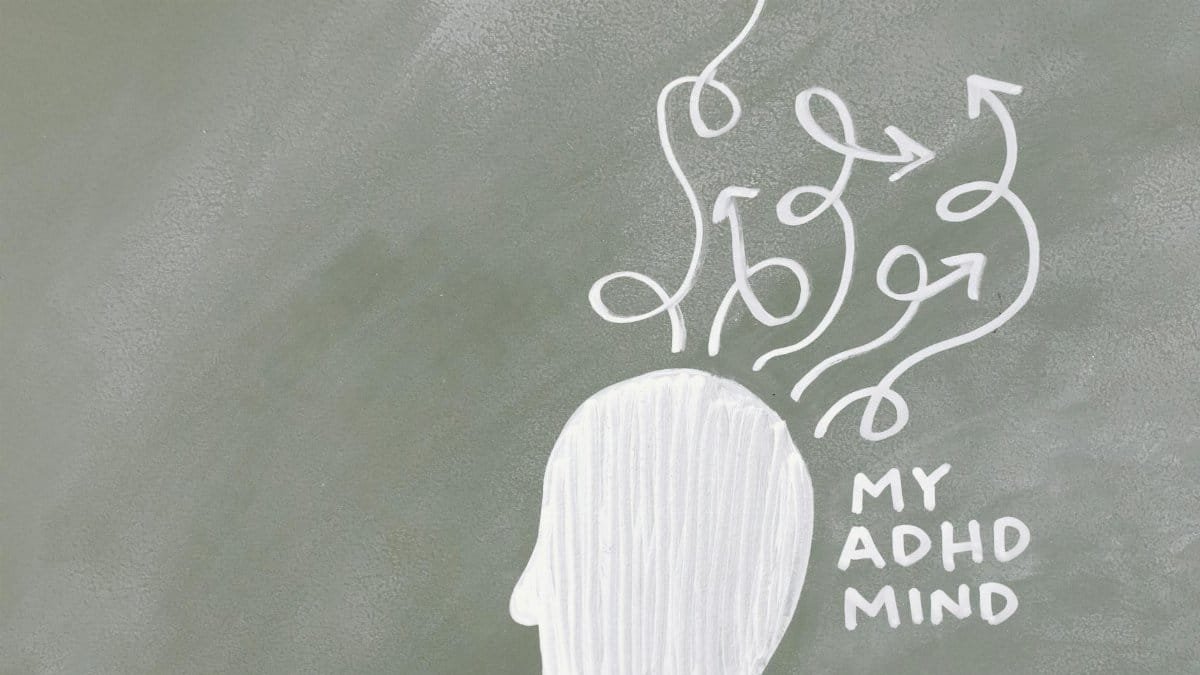
Cognitive reframing flips negative thoughts into positive perspectives, bolstering emotional stability resilience. When faced with setbacks, ask: “What’s another way to view this?” This technique, rooted in cognitive behavioral therapy, empowers users to control reactions. Research from the American Psychological Association shows it lowers depression risk by 20%. For instance, turning “I failed” into “I learned” shifts mindsets. It’s especially useful in high-stakes environments like corporate America, where resilience means career survival.
3. Journaling for Reflection

Journaling acts as a mirror for emotions, enhancing emotional stability resilience through self-awareness. Write daily entries about feelings and triggers, uncovering patterns over time. Experts at the University of Rochester note it improves mood regulation. No fancy notebook needed; even digital notes work. In 2025, with social media amplifying insecurities, this tool helps ground users in personal truths, fostering inner calm amid digital noise.
4. Physical Exercise Routines

Linking body and mind, physical exercise boosts emotional stability resilience by releasing endorphins. Activities like running or yoga combat stress hormones effectively. A study from the Centers for Disease Control and Prevention links regular activity to reduced anxiety. Aim for 30 minutes most days; it’s not about intensity but consistency. Urban dwellers in cities like New York find this tool vital for countering daily grind pressures.
5. Building Support Networks

Strong relationships form a safety net for emotional stability resilience. Cultivate connections with friends or groups who offer honest feedback and encouragement. Data from Pew Research Center reveals that socially connected individuals handle crises better. Join community meetups or online forums focused on mindfulness. In an era of remote work, these networks prevent isolation, providing emotional anchors that sustain long-term stability.
6. Breathing Techniques

Simple breathing exercises anchor emotional stability resilience during tense moments. Try the 4-7-8 method: inhale for four, hold for seven, exhale for eight. This activates the parasympathetic nervous system, per findings from the National Institutes of Health. It’s portable and free, ideal for commuters or parents juggling chaos. As mental health awareness rises in 2025, these quick fixes gain popularity for immediate relief.
7. Goal Setting with Flexibility

Setting achievable goals with room for adjustment promotes emotional stability resilience by preventing overwhelm. Break big objectives into small steps, celebrating progress. Insights from Stanford University’s psychology department show flexible planning enhances persistence. Adapt as life shifts, avoiding rigid expectations. For families navigating economic ups and downs, this tool encourages steady growth without burnout, aligning with broader mindful living trends.
These seven tools aren’t overnight miracles, but integrated into routines, they guide users toward lasting inner stability. As more Americans prioritize mental health, emotional stability resilience could redefine personal wellness in the coming years.