

In recent sessions Michigan lawmakers have grappled with the swift rise of large computing facilities that promise jobs yet strain local supplies. Proposals now under review seek to balance growth with safeguards on resources prompting fresh debate around Michigan Data Center Regulation Water Energy and how best to guide future projects without overburdening communities or utilities.
Expansion Pressures in Key Regions
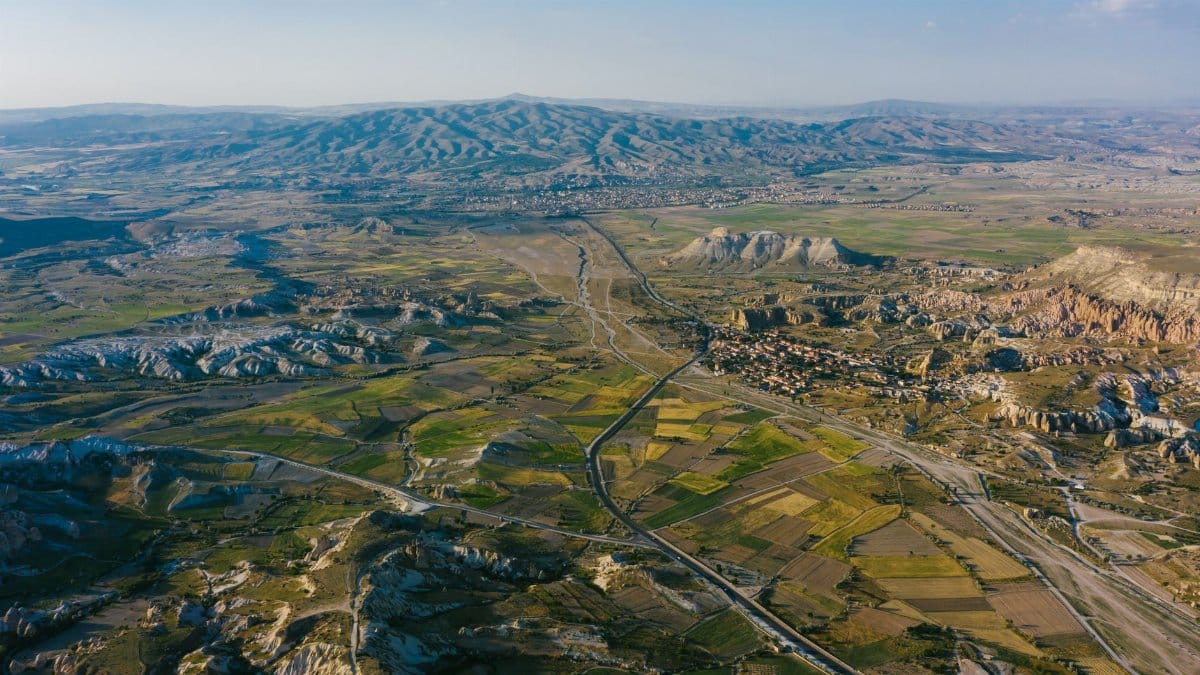
Facilities tied to cloud services and artificial intelligence training have multiplied in suburban and rural counties alike. Officials note that several proposals now sit before committees with developers seeking tax incentives while residents question long term demands on infrastructure. State analysts project continued interest from national firms drawn by available land and fiber connections.
Water Resource Questions Surface

Cooling systems at these sites often rely on substantial volumes drawn from aquifers or municipal systems. Lawmakers have asked for clearer reporting on daily and annual withdrawals to assess effects during dry periods. Some townships already limit permits until more data emerges on cumulative impacts across watersheds.
Power Grid Capacity Examined
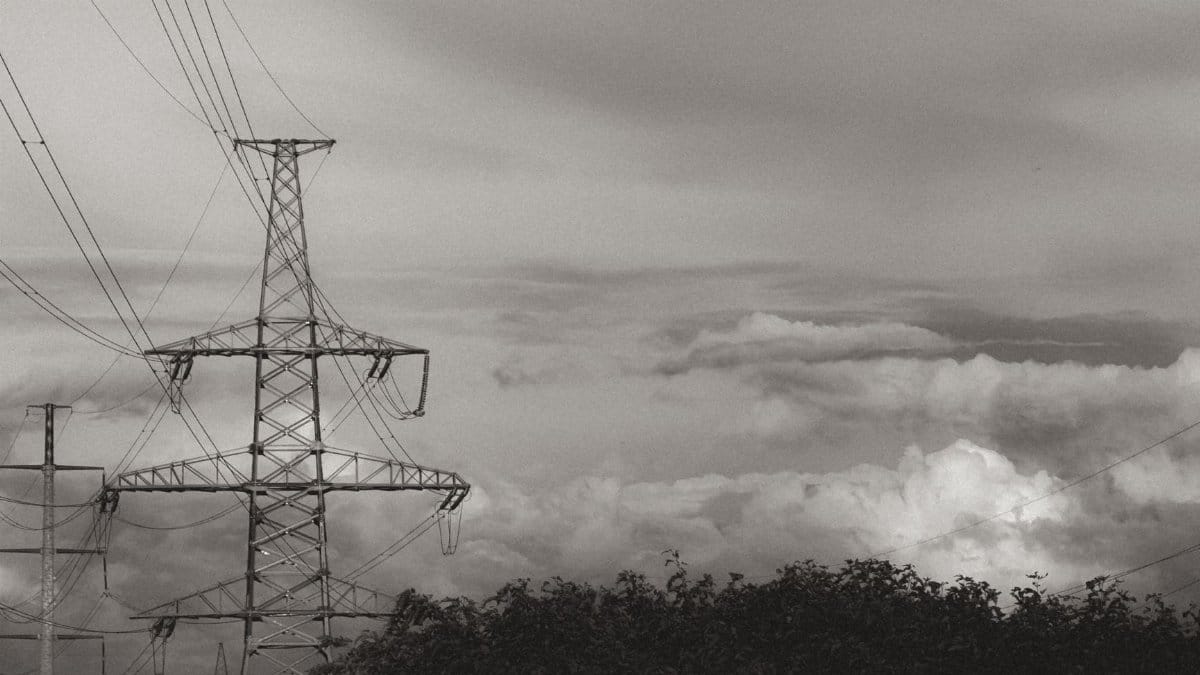
Utilities warn that clusters of high demand facilities could require new transmission lines and generation assets. Discussions in the legislature focus on whether current rate structures fairly allocate upgrade costs or if targeted fees should apply to large users. Seasonal peaks in summer add another layer of planning complexity for grid operators.
Legislative Proposals Take Shape

Bills introduced this year call for environmental reviews before construction permits are granted. Sponsors emphasize transparency on water and electricity use with public comment periods built into the process. Opponents of stricter rules argue that delays could push investment to neighboring states with fewer requirements.
Local Government Roles Expand
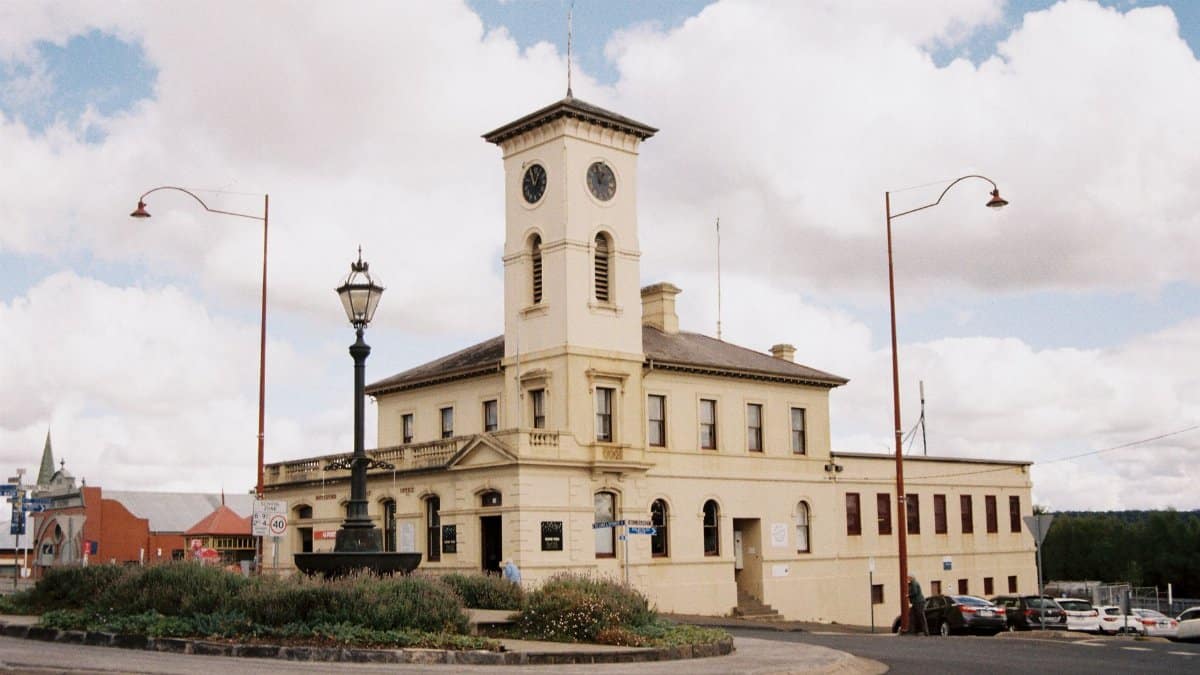
County boards and city councils now receive more detailed applications that outline expected resource needs. Some communities have formed advisory groups to review site plans and negotiate community benefit agreements. These steps aim to give residents a voice before ground is broken on new projects.
Economic Tradeoffs Weighed

Supporters highlight construction employment and ongoing maintenance positions along with added tax revenue for schools and roads. Critics point to potential increases in household utility bills if infrastructure expansions are socialized across all ratepayers. Studies from regional planning agencies seek to quantify both gains and hidden costs over a decade.
Environmental Reviews Advance
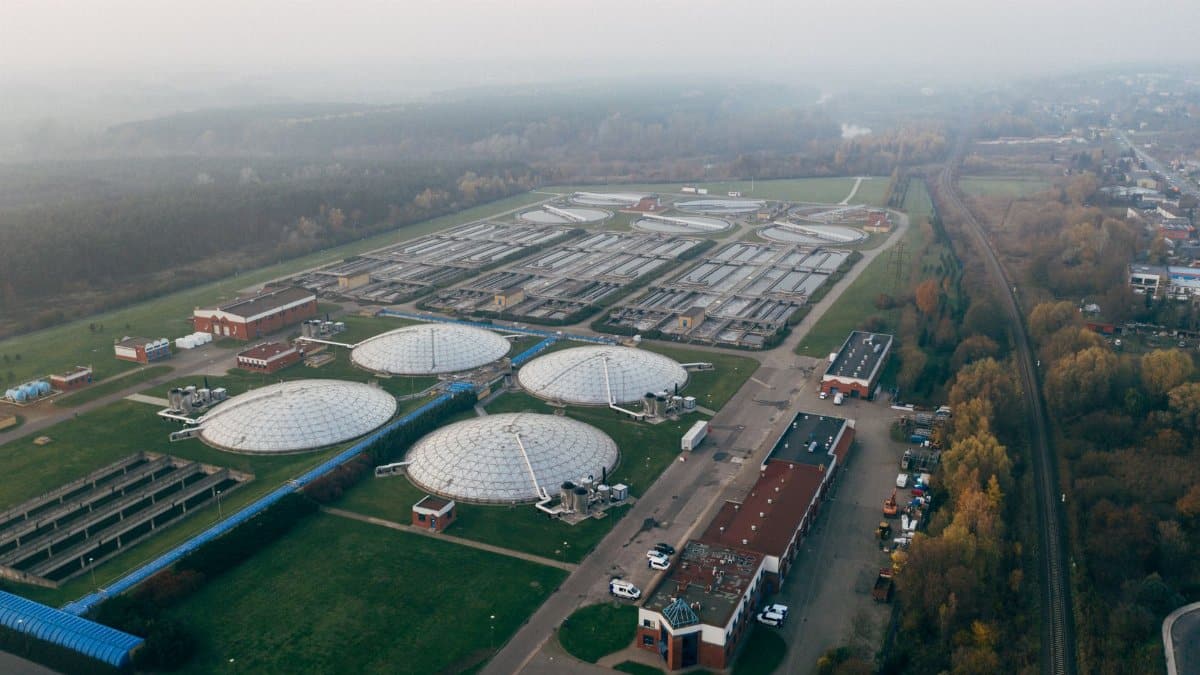
State agencies have begun updating guidance on air and water permits for computing installations. Focus areas include backup generator emissions and wastewater discharge from cooling towers. Advocates for tighter standards seek alignment with federal clean water goals already in place.
Public Input Sessions Held

Hearings across affected districts have drawn engineers developers and concerned citizens. Testimony often centers on property values traffic during construction and long term visual changes to rural landscapes. Lawmakers have collected hundreds of comments to inform amendments before floor votes.
Utility Partnerships Explored
Some companies propose on site solar arrays or direct purchase agreements with renewable providers to offset demand. Regulators review these ideas to ensure they do not shift reliability risks onto the broader system. Pilot programs in other states offer models under consideration.
Future Siting Criteria Discussed

Planners suggest mapping zones where water and power capacity can accommodate growth without conflict. Such an approach could steer projects toward areas already served by robust infrastructure. Discussions continue on how to update zoning ordinances to reflect these priorities.