
In the concrete canyons of New York or the shaded alleys of San Francisco, apartment living often means settling for fluorescent flickers instead of the sun’s warm embrace. For the millions squeezed into these light-starved spaces, relief arrives not from costly renovations but from the time-tested wisdom of feng shui. This ancient practice, rooted in harmonizing human surroundings with natural energies, emphasizes guiding chi through unobstructed paths. Simple adjustments can amplify every stray beam, turning gloom into gentle radiance and fostering a sense of openness even in the tightest quarters.
Clear Windowsills of Clutter First
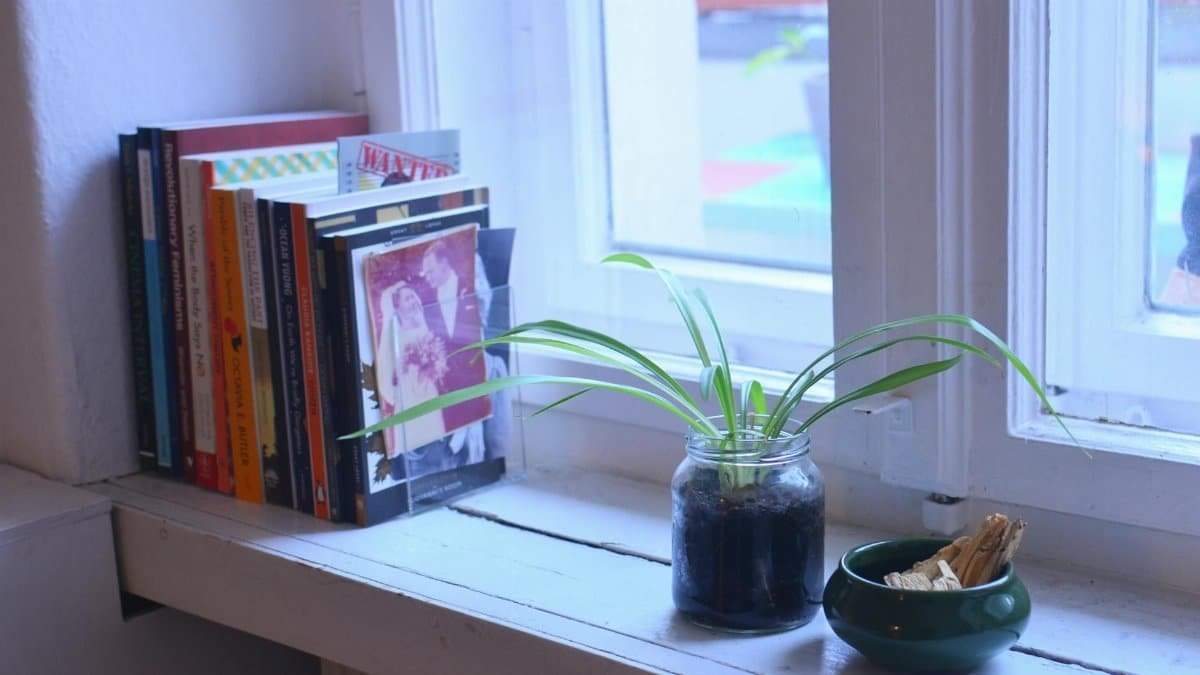
Start with the basics: windowsills cluttered with books, plants, or forgotten trinkets block incoming light like unintended barriers. In feng shui philosophy, chi enters through these portals, so keeping them pristine allows energy and sunlight to flow freely. Remove everything nonessential, wiping surfaces clean to reflect light inward. Urban dwellers report an immediate lift in mood and perceived spaciousness. One Manhattan resident cleared her sill and watched morning rays dance across her kitchen for the first time in years, proving that less can truly illuminate more.
Position Mirrors to Capture Morning Rays
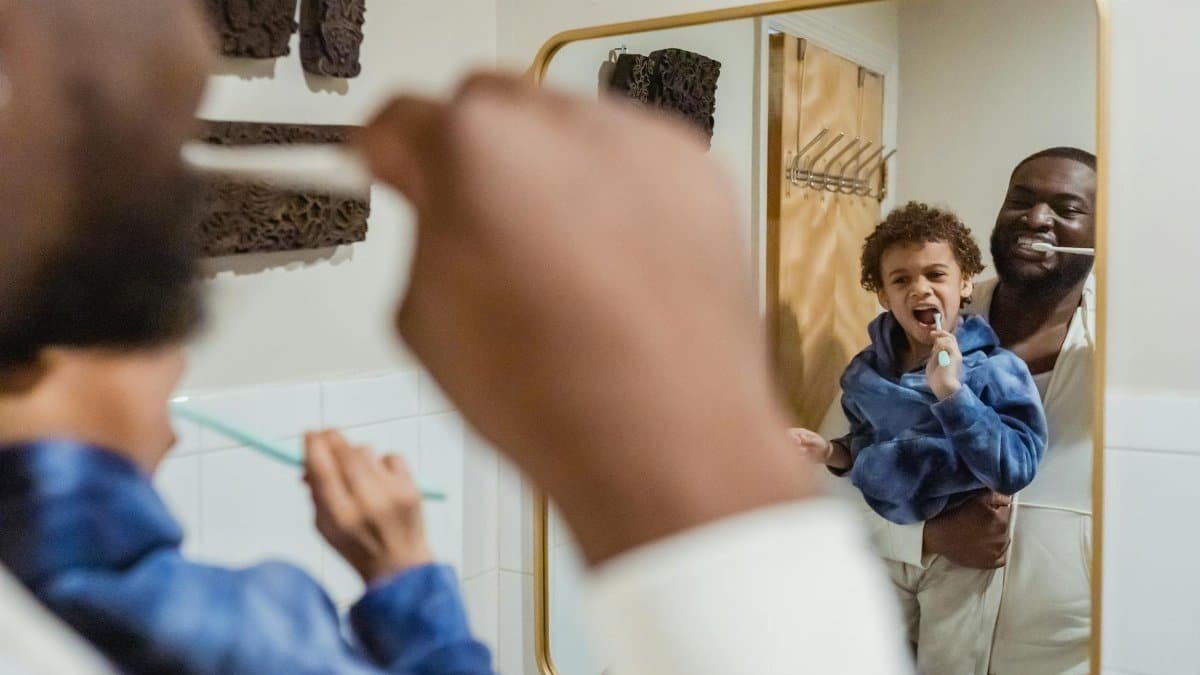
Mirrors serve as feng shui’s secret weapon for light multiplication, bouncing illumination to shadowed corners. Place a large one directly across from your primary window, angled slightly to redirect beams without creating glare. Avoid positioning them opposite doors, which might scatter chi outward. In small studios, a full-length mirror on a closet door opposite east-facing glass can flood the room with dawn light. Experts note this technique aligns with the practice’s emphasis on reflective surfaces to enhance yang energy, the bright, active force symbolized by the sun.
Swap Heavy Drapes for Sheer Fabrics
Thick curtains, while offering privacy, smother natural light and stagnant chi. Feng shui advocates lightweight sheers or rice paper shades that diffuse sunlight softly, maintaining views while inviting glow. Layer with blackout options only for sleep zones. A Chicago apartment dweller replaced velvet drapes with linen panels and gained hours of usable daylight, transforming her living room into a brighter retreat. This shift respects the wood element’s association with growth and vitality, allowing light to nourish the space like spring rain.
Embrace Pale Walls That Bounce Light

Dark walls absorb photons, deepening shadows in already dim apartments. Opt for feng shui-approved neutrals like soft creams, pale blues, or warm whites, colors that evoke sky and clouds to expand visual horizons. Matte finishes prevent harsh reflections, while subtle sheen on one accent wall can amplify light strategically. Painting a Brooklyn walk-up in these tones added an airy feel, as if the walls themselves exhaled breathability. This choice supports the metal element’s clarity, purifying and brightening the flow of qi.
Declutter Floors Near Light Sources

Piles of rugs, shoes, or furniture legs crowding windows trap dust and dim rays. Feng shui insists on clear pathways for chi circulation, so sweep floors bare and elevate storage off the ground. In a light-poor unit, this alone can raise luminosity by 20 percent, per anecdotal reports from practitioners. Arrange low-profile baskets along walls instead. The result mirrors the practice’s core tenet: unobstructed movement fosters harmony, turning a cramped floorplan into a light-infused haven.
Incorporate Glass Tables for Transparency
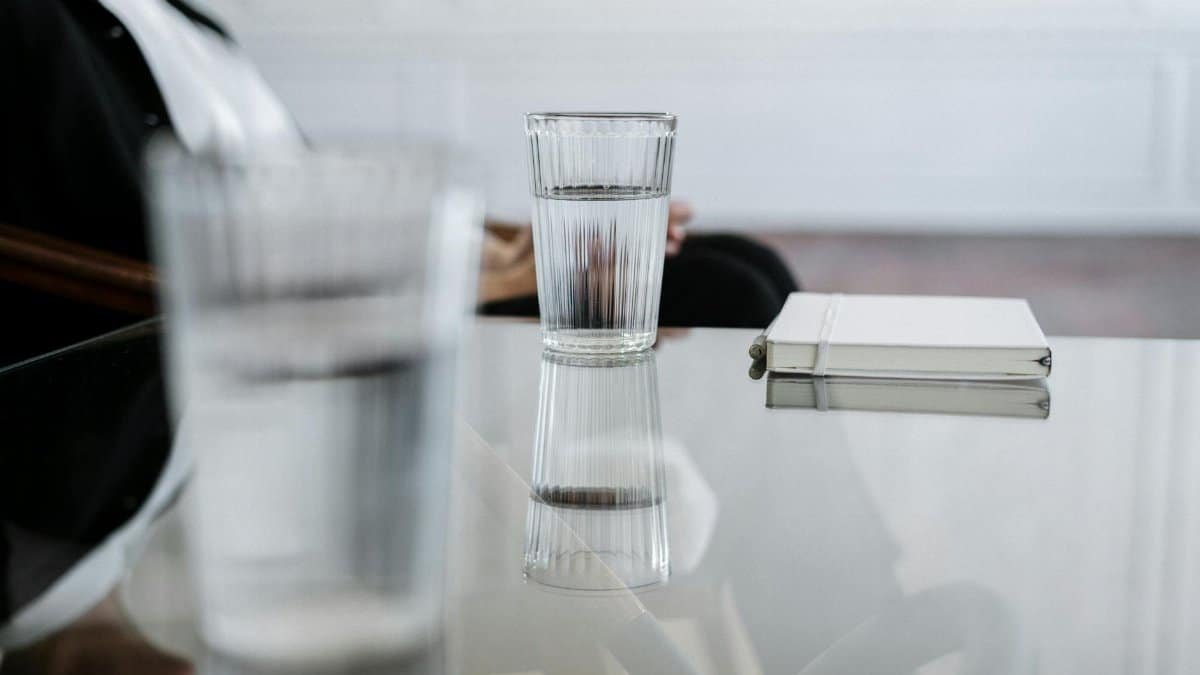
Solid wood or opaque furniture halts light’s journey midway. Feng shui favors glass or acrylic pieces, which allow beams to pass underneath and around, mimicking water’s fluidity. A clear coffee table in front of a window lets sun puddle on the floor below, illuminating rugs and legs alike. Pair with slim metal frames to invoke supportive elements. Tenants in Seattle high-rises swear by this swap for doubling perceived light without square footage changes.
Angle Sofas to Welcome Window Views

Couching with backs to windows turns residents away from nature’s gift. Reposition seating to face the light, aligning bodies with incoming chi as per feng shui’s command position principle. This setup not only bathes skin in vitamin D but commands a view of the world outside, combating isolation. In a dim Toronto loft, facing the sofa eastward invited sunrise symphonies of light, enhancing daily rituals with subtle energy boosts.
Hang Faceted Crystals in Windowpanes
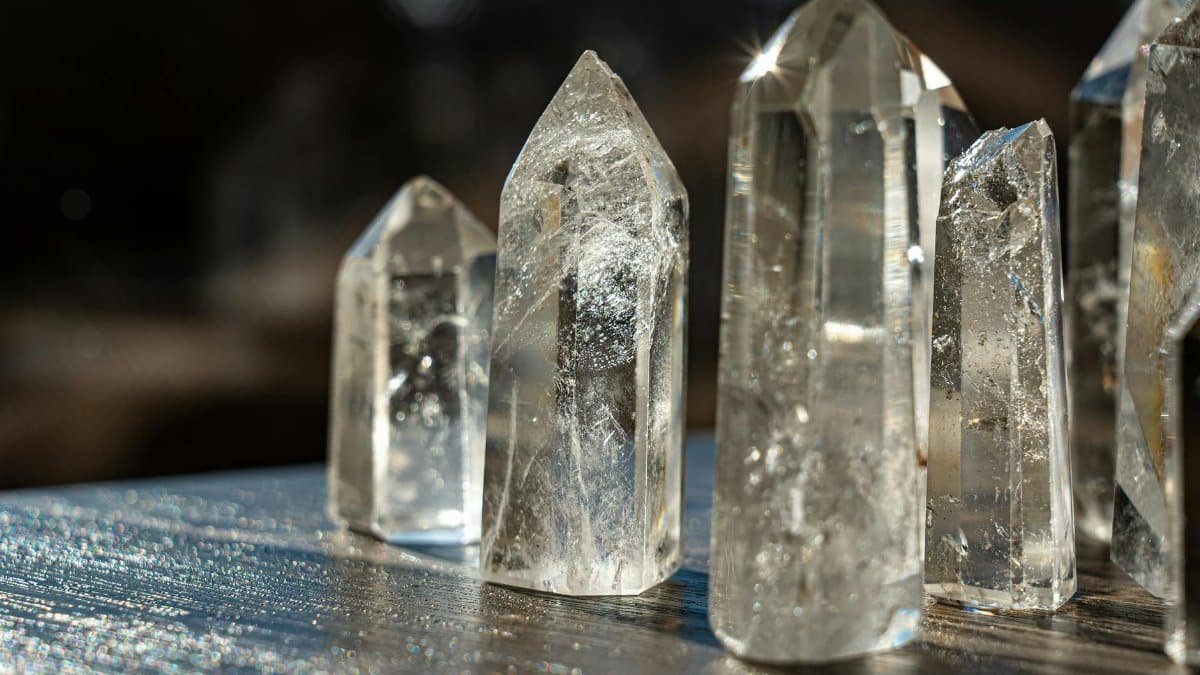
Small, multi-faceted crystals dangling from window tops act as prisms, splintering sunlight into rainbows that scatter across walls. A feng shui staple for activating stagnant areas, they symbolize the earth’s treasures drawing heavenly qi. Choose clear quartz for purity, hanging at eye level to avoid drafts. Boston apartment owners describe walls alive with color shifts throughout the day, a playful yet potent light enhancer rooted in the practice’s elemental alchemy.
Select Reflective Rugs Underfoot

Flat, dark carpets drink up stray light; instead, lay glossy silk or metallic-thread rugs that subtly mirror beams upward. Feng shui views floors as earth’s foundation, so reflective choices ground yang energy without overwhelming yin calm. Position under windows to catch sidelight. A Philadelphia renter’s jute-with-silver rug turned her hallway from tunnel to luminous path, illustrating how texture tweaks amplify ambient glow.
Introduce Airy Plants Without Blockage

Greenery vitalizes feng shui spaces via the wood element, but dense foliage shades windows. Choose trailing ivies or slender bamboos hung high or on walls, their leaves filtering light softly rather than obstructing. Mist regularly to keep chi vibrant. In a shaded Miami condo, suspended pothos created dappled patterns, blending nature’s breath with borrowed sunlight for a serene, enlivened interior.
Open Layouts to Let Light Travel

Partitions and bulky dividers fragment illumination in studio apartments. Feng shui prioritizes open sightlines, so use screens or bookshelves with gaps to guide light room to room. This emulates wind’s freedom, dispersing chi evenly. A Los Angeles artist dismantled a faux wall, watching light cascade from kitchen to bedroom, reclaiming unity in her compact home.
Accent with Metallic Lampshades
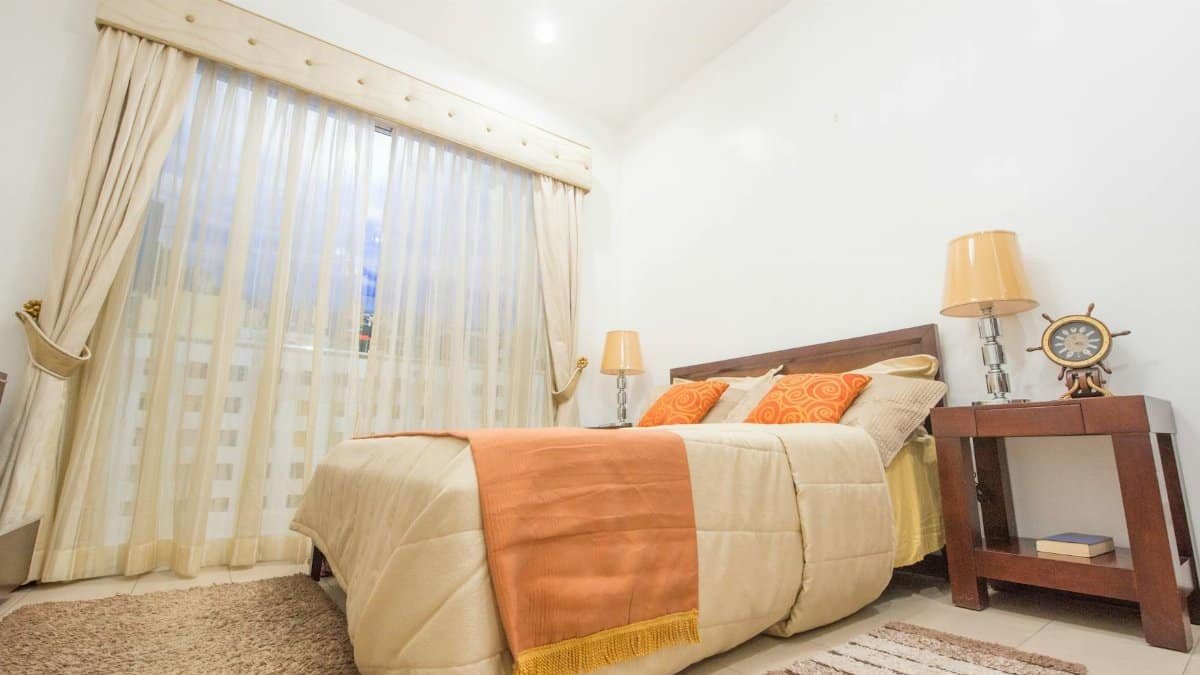
Evening demands thoughtful augmentation, but daytime benefits from metallic accents like polished nickel shades on table lamps near windows. They reflect residual light softly, extending the sun’s reach per feng shui’s metal element for precision and joy. Avoid overkill to prevent chi dispersal. Portland inhabitants layer these with tweaks above, sustaining brightness gradients that feel organic and enduring.
These 12 adjustments weave feng shui’s principles into everyday apartment life, proving that profound change stems from mindful increments. No need for skylights or sledgehammers; just intention and rearrangement. Residents embracing them often describe not only brighter homes but renewed clarity in thought and spirit. In an era of urban density, such tweaks reclaim sunlight as a birthright, harmonizing shelter with the cosmos beyond the glass.