

Many women in their forties begin to notice shifts that feel both familiar and strangely new. Sleep patterns change without warning. Moods rise and fall with little connection to daily events. These experiences often trace back to perimenopause, the transitional phase before menopause when hormones start to fluctuate in ways that affect the mind as much as the body.
The Quiet Arrival of Hormonal Flux
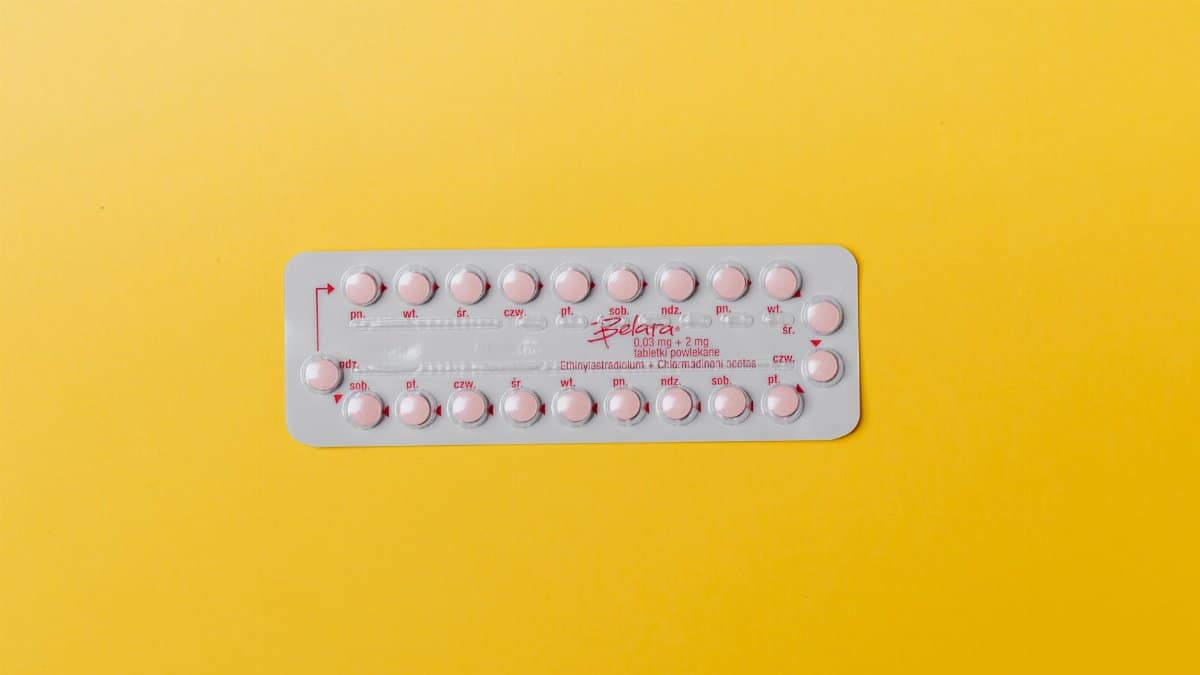
Perimenopause seldom announces itself with a single clear signal. Instead it unfolds over several years, marked by irregular cycles and subtle alterations in energy and focus. For many the first clues appear in the realm of emotion rather than physical symptoms. A steady temperament may give way to sudden irritability or unexpected tears. These changes arise from declining estrogen levels that influence neurotransmitters responsible for mood regulation.
How Memory and Concentration Shift

Cognitive lapses during this period frequently puzzle those who experience them. Names slip away mid sentence. Tasks that once felt automatic require extra lists and reminders. Research links these moments to estrogen receptors in the hippocampus, a brain region tied to memory. While such changes can feel alarming they often prove temporary and respond well to consistent sleep and mental stimulation.
Emotions That Seem to Arrive Unbidden

Anxiety and low mood surface for some without an obvious external trigger. The same life circumstances that once felt manageable may now produce a persistent sense of unease. This response stems in part from reduced estrogen influence on serotonin pathways. Rather than viewing these feelings as personal failings many find relief in recognizing them as physiological signals that deserve attention and support.
Relationships Under New Pressure

Partners and children sometimes notice the difference before the woman herself does. Short tempers or withdrawal can strain long standing bonds. Open conversations about what is happening inside the body help reduce misunderstandings. Couples who treat perimenopause as a shared chapter rather than a private struggle often discover renewed closeness through honest exchange and adjusted expectations.
The Influence of Sleep on Mental Clarity

Nighttime awakenings become common as progesterone levels drop. Even when total sleep time remains adequate the quality suffers, leaving daytime fatigue that clouds judgment and heightens emotional reactivity. Simple adjustments such as cooler bedrooms and consistent wind down routines frequently restore enough rest to improve both mood and focus within weeks.
Nutrition Choices That Support Brain Chemistry

Certain foods supply building blocks for neurotransmitters affected by hormonal change. Leafy greens provide folate, while fatty fish deliver omega three fats that aid cell membrane health. Reducing refined sugar helps stabilize energy and prevents the sharp mood dips that follow blood sugar spikes. These dietary patterns work gradually yet offer cumulative benefits when sustained over months.
Movement as a Daily Anchor

Regular physical activity influences brain derived neurotrophic factor, a protein that supports neuron growth. Walking outdoors for thirty minutes most days has been shown to ease mild depressive symptoms linked to perimenopause. Strength training twice weekly adds further stability by supporting overall hormone balance and improving sleep depth.
Professional Options Worth Exploring

When symptoms interfere with work or daily functioning, consultation with a clinician familiar with midlife transitions can open several paths. Some women benefit from low dose hormone therapy while others prefer cognitive behavioral approaches tailored to hormonal mood changes. Tracking symptoms over a few cycles helps identify patterns that guide effective treatment choices.
Reframing the Transition as Growth

Rather than an ending, this phase often brings sharpened priorities and greater self knowledge. Many women report emerging with clearer boundaries and renewed creative energy once the most intense fluctuations subside. Acknowledging both the difficulties and the eventual stabilization allows space for a more compassionate view of the process.
Community and Shared Experience

Isolation amplifies distress during any major life shift. Groups that gather women navigating similar hormonal changes provide validation and practical strategies. Hearing others describe parallel episodes of brain fog or emotional intensity reduces the sense that these experiences are unique or somehow self inflicted. Such connections turn a solitary passage into one marked by mutual support.