
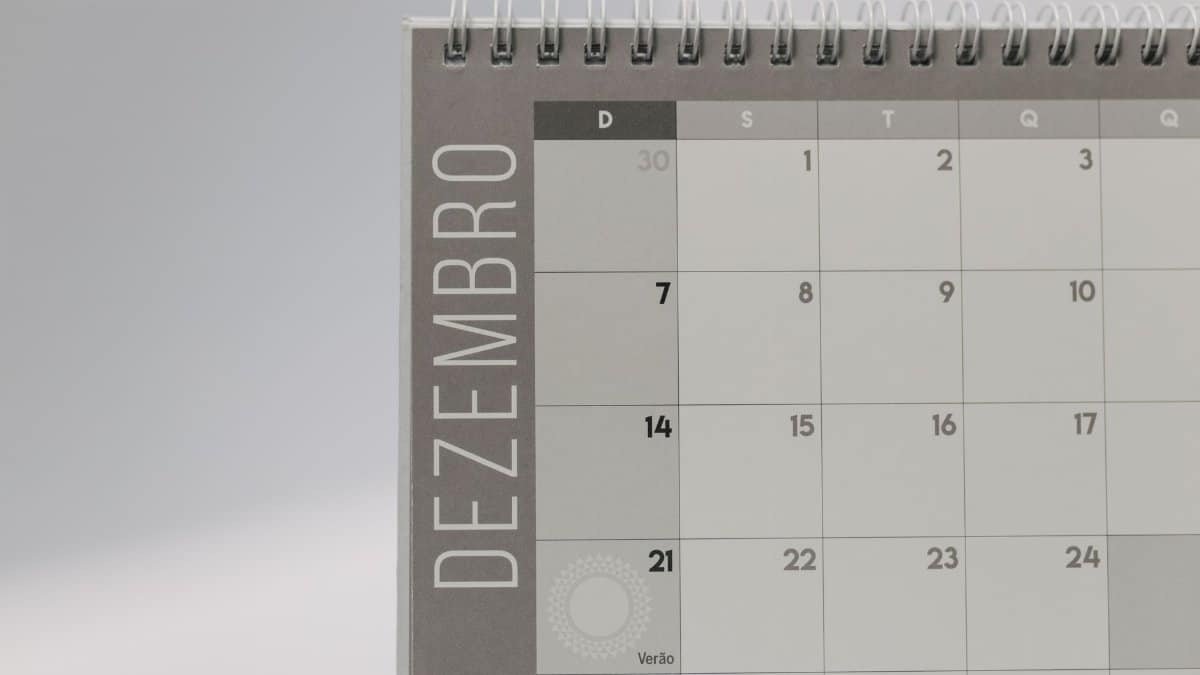
In recent years the pace of daily life has left many middle aged Americans searching for reliable ways to regain focus amid constant demands. Rather than pursuing elaborate retreats or expensive programs, a growing number turn toward accessible tools that fit into existing routines. One such approach centers on the Daily Mindfulness Calendar, a straightforward framework that encourages brief moments of awareness spread across ordinary weeks and months. By emphasizing consistency over intensity this method appeals to those who have tried meditation before yet struggled to maintain momentum. Its design supports gradual integration, allowing users to build habits without overwhelming schedules or unrealistic expectations.
Recognizing the Value of Structured Awareness Prompts

Many professionals discover that unstructured attempts at mindfulness often fade after initial enthusiasm wanes. The calendar format supplies gentle reminders that align with natural rhythms of the week. Each entry suggests an action lasting only a few minutes yet capable of shifting perspective during busy afternoons or quiet evenings. Readers report improved concentration at work and greater patience during family interactions after several weeks of following the sequence.
Adapting the Calendar for Varied Lifestyles

Not everyone follows the same pattern of waking and resting. Some adjust the suggested exercises to match early morning commutes while others prefer evening reflections before sleep. Flexibility remains central so participants can modify timing without losing the core benefit of repeated attention to breath or surroundings. This adaptability proves especially useful for parents balancing school activities with career responsibilities.
Exploring Shifts in Attention Over Seven Days

The first day typically invites simple observation of breathing patterns during routine tasks. Subsequent entries build on that base by introducing elements such as noticing sounds in the environment or acknowledging physical sensations while walking. By the end of the week many notice subtle changes in how they respond to minor frustrations rather than reacting automatically.
Connecting Personal Experience with Broader Trends

Journalists covering wellness topics observe rising interest in low pressure practices among adults navigating career transitions. Data from wellness surveys indicate steady growth in people seeking methods that require minimal equipment yet deliver measurable calm. The Daily Mindfulness Calendar fits this preference by avoiding complex terminology or prerequisite knowledge.
Addressing Common Obstacles to Consistency
Initial resistance often stems from concerns that daily commitments will add pressure rather than relieve it. Proponents suggest treating each prompt as an invitation instead of an obligation. When a session feels rushed participants can shorten it to thirty seconds of focused attention while still preserving the habit of intentional pause.
Observing Effects on Sleep and Emotional Balance

Participants frequently mention improved ability to unwind at night after incorporating brief evening prompts. Others describe reduced reactivity during stressful meetings once they practice acknowledging thoughts without immediate judgment. These outcomes emerge gradually and vary widely depending on individual circumstances and prior familiarity with contemplative techniques.
Considering Long Term Integration Beyond Initial Weeks
After completing an introductory cycle many individuals continue using select prompts from the calendar on a rotating basis. Some create personal variations that reflect seasonal changes or evolving priorities. This ongoing use transforms the original seven day structure into a reusable resource rather than a one time exercise.
Reflecting on Accessibility Across Different Communities

Community centers and libraries have begun offering group discussions around shared calendar entries. Such gatherings provide opportunities for participants to exchange observations without requiring advanced training or costly materials. The approach supports collective exploration while honoring private practice preferences that suit introverted temperaments.