
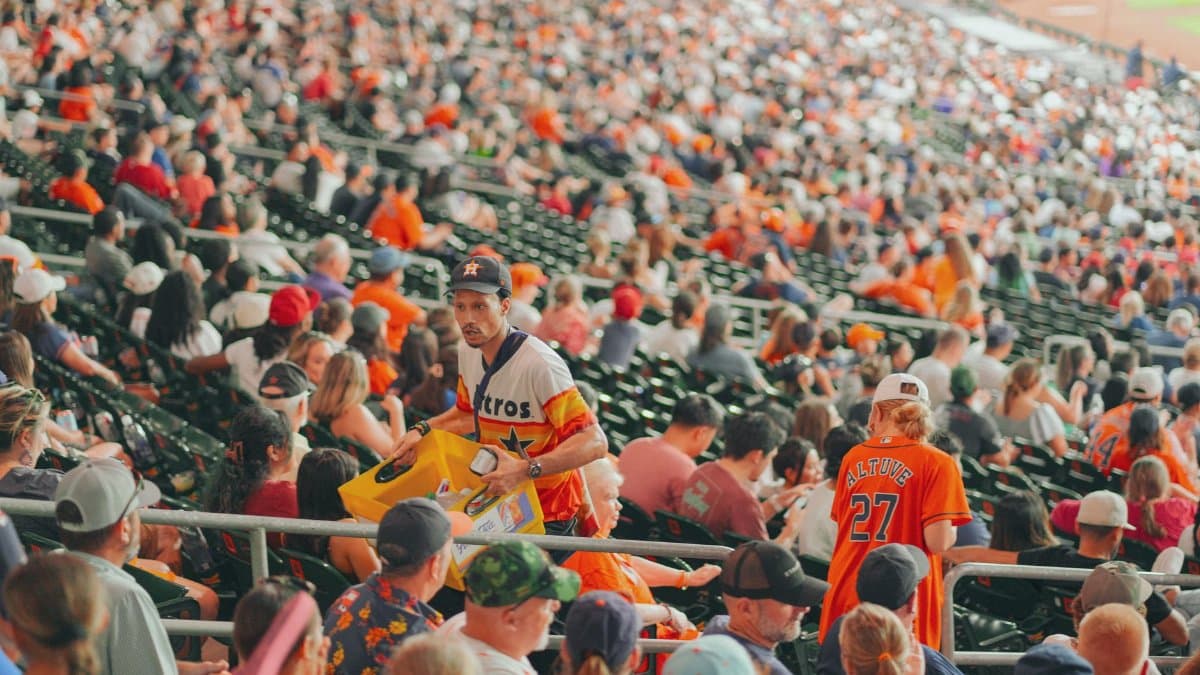
The announcement of a major stadium show by the artist formerly known as Kanye West caught many by surprise this week. Coming at a time when public attention often turns to his shifting public persona and creative output the decision to bring his music to a large Texas venue signals continued interest in live performances. Fans in the region now have a specific date to anticipate with the event set for October 3 at Reliant Stadium. This development adds another chapter to ongoing discussions around his career trajectory and the appeal of his work in live settings. The Ye Houston concert represents a notable stop in what appears to be an expanding tour schedule.
Background on the Venue Selection
Reliant Stadium stands as one of the larger facilities in the southern United States capable of hosting expansive musical events. Its selection reflects practical considerations such as capacity and prior success with similar attractions. Local promoters noted that the space allows for elaborate stage setups while accommodating thousands of attendees. The choice aligns with patterns seen in other major artist tours where venues of this scale provide both visibility and logistical advantages. Observers point to the stadiums history with high profile gatherings as a factor in its appeal for this particular performance.
Public Reaction and Ticket Expectations
Early responses from enthusiasts show a mix of excitement and curiosity about logistics. Many have taken to social platforms to share memories of past shows while others focus on practical matters like travel and seating options. Ticket sales are slated to begin on September 10 with general admission details still emerging. Industry analysts suggest demand could be strong given the artists established following in the area. Discussions also touch on pricing structures and potential packages that might include merchandise or meet and greet opportunities.
Artistic Context for the Performance
The upcoming show arrives amid a period of creative evolution for the performer. Recent projects have blended musical elements with personal themes drawing varied interpretations from critics and listeners alike. Live renditions often expand on recorded material through improvisation and visual components. This approach has long characterized his stage presence making each concert a distinct experience rather than a simple replication of studio work. Attendees may anticipate a blend of older tracks and newer compositions that reflect current interests.
Impact on Local Economy and Culture
Events of this magnitude tend to influence surrounding businesses including hospitality and transportation services. Houston officials have highlighted similar past gatherings as contributors to regional activity. Beyond direct spending the concert could spark conversations about music as a form of communal expression in diverse urban settings. Community groups sometimes organize related discussions or viewing parties to extend the reach of such occasions.
Historical Patterns in Tour Planning

Artists at this level frequently adjust schedules based on audience data and venue availability. The addition of this stop fits into a broader strategy of reaching multiple markets over several months. Comparisons to previous tours reveal an emphasis on adaptability with dates added or modified as circumstances evolve. Such flexibility has allowed sustained engagement with fans across different regions.
Considerations for Attendees
Preparation for large scale events involves attention to safety protocols and accessibility features. Organizers typically provide guidelines on entry procedures and prohibited items to ensure smooth operations. Those planning to attend might review transportation options given the stadiums location and expected crowds. Local media outlets often cover these aspects in advance to assist the public.
Broader Conversations Around Live Music

The return to stadium performances raises points about the role of in person events in an era dominated by digital consumption. Many find value in shared physical spaces for experiencing sound and spectacle. This particular case illustrates how individual artists continue to draw crowds despite shifts in industry dynamics. Reflections from longtime observers note the enduring draw of such gatherings for building connections among participants.