
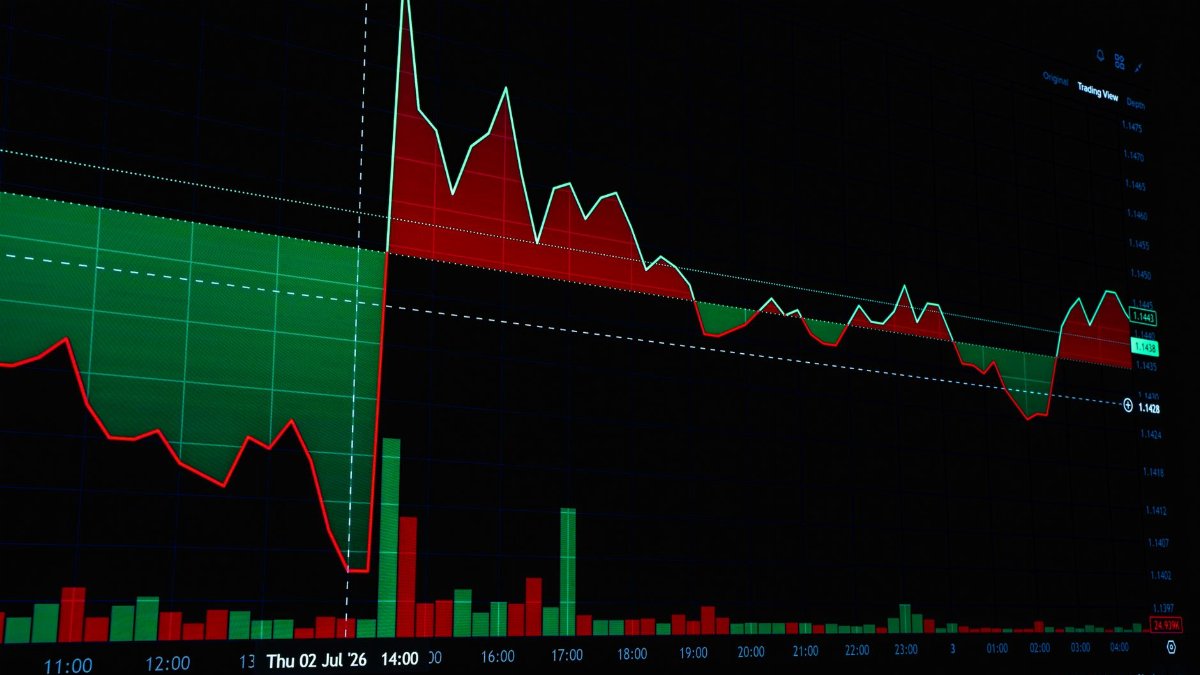
Friday morning arrived with a familiar unease in trading rooms from New York to Tokyo. Screens that had glowed green for months turned cautious as chipmakers and social media giants gave back ground. World shares were mixed after Wall Street AI losses, while oil climbed on fresh worry about conflict and supply. For readers who do not follow tickers for a living, the message was simpler than the jargon. A market that had treated artificial intelligence as a sure thing spent a session remembering that even celebrated stocks can fall, and that energy prices still answer to geopolitics.
A session that tested faith in chips

The drop did not arrive as a mystery. For more than a year, a handful of companies tied to artificial intelligence carried an outsized share of the gains in American indexes. When those names stumble, the headline indexes stumble with them, even if hundreds of smaller firms barely move. Traders described the session as a reminder that concentration is a gift in a rally and a risk in a retreat. Wall Street AI losses of this kind often look dramatic on a single afternoon and modest on a five year chart. That gap between the day and the decade is where confusion lives for people watching retirement balances. A red figure on a phone does not always mean the broader economy has cracked. Sometimes the economy is steady and the story is simply that a popular trade got crowded.
How Nvidia and Meta set the tone

Nvidia has become shorthand for the entire bet on computing power. Its chips sit inside the data centers that train large models. When investors question how fast those data centers will keep expanding, the stock can fall hard even if the company remains profitable. Meta, the parent of Facebook and Instagram, has poured billions into its own artificial intelligence push while still depending on advertising. A softer tone from either company, or simply a wave of profit taking after a long climb, can ripple through funds that own both. None of this requires a scandal. It requires only that buyers pause. On days like this, a market that climbed on satisfaction can slide when holders who already made money decide that good enough is a reason to sell. The companies can be healthy. The shares can still be expensive relative to the hope already priced in.
A mixed map beyond New York

Outside the United States the picture was uneven, which is why commentators said world shares were mixed rather than uniformly weak. Some Asian markets followed the American lead lower, especially exchanges heavy with technology exporters. Others held steady because local banks, insurers, or commodity producers offset the drag from chips. European trading often splits the difference, with luxury goods and industrials answering to different cues than software. Currency moves added another layer. A stronger dollar can pressure emerging markets even when their own companies had a quiet night. For a reader in Houston or Hartford, the practical point is that a bad afternoon in New York does not automatically mean a bad morning everywhere else. Capital is global. Mood is not always synchronized. That lack of synchrony is easy to miss if you only watch one index on one screen.
Oil prices and the shadow of conflict
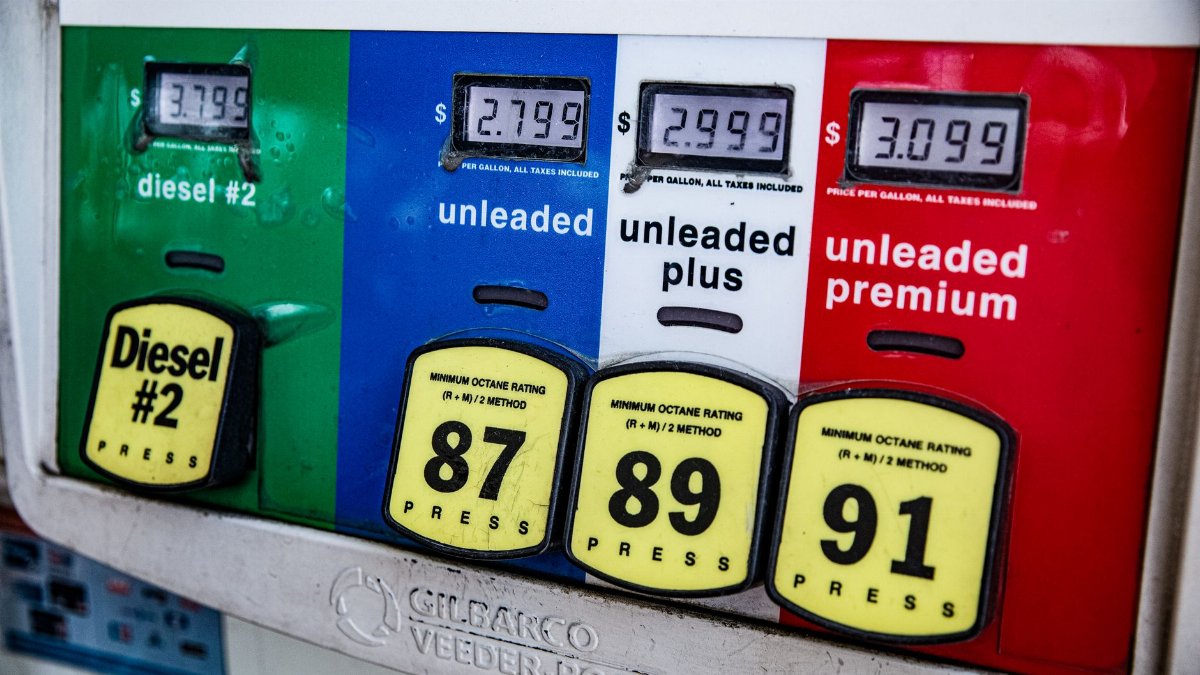
While equities argued with themselves, oil prices jumped and hovered near levels not seen since May, in the telling that framed the Friday session. War concerns were the stated reason. Whenever fighting threatens shipping lanes, refineries, or the political stability of producing regions, traders add a premium for uncertainty. That premium can appear and vanish within days. It still matters to people who never buy a futures contract. Higher crude feeds into gasoline, diesel, airline tickets, and the cost of moving goods to a store shelf. Central banks watch those pass through effects when they decide whether inflation is truly cooling. A stock market wobble tied to technology and an energy market wobble tied to conflict can coexist without sharing a single cause. Together they shape the week ahead for portfolio managers and for households filling a tank before a weekend drive.
Why valuations had room to slip
The deeper argument is about price, not about whether artificial intelligence is real. Few serious observers doubt that software will change work in offices, warehouses, and clinics. The dispute is whether current share prices already assume years of flawless growth. When expectations sit that high, a small disappointment produces a large move. This is ordinary finance, dressed in new vocabulary. Railroads, radio, and the early internet each had moments when the technology was genuine and the stocks were still capable of falling by double digits. Wall Street AI losses fit that older pattern more than they fit a story of sudden collapse. Companies can keep selling chips and ads while their shares reset to a level that leaves less room for magic. Reset is not ruin. It is the market doing the unglamorous job of matching hope to evidence that arrives quarter by quarter.
What ordinary savers should notice

For middle aged readers with retirement accounts, the useful question is exposure, not prophecy. Many target date funds own the same large technology names that dominate the news. A down day in those names will show up in a statement even if the fund also holds bonds and foreign stocks. That is not a flaw. It is how diversified products work when one sector is enormous. Panic selling after a headline tends to lock in the loss and miss the recovery that often follows unrelated news. Patience is not the same as denial. It is worth knowing, in plain language, what share of a portfolio sits in a few celebrated firms. A conversation with a planner beats a late night scroll through flashing quotes. The market will offer another session tomorrow. It always does. The harder discipline is refusing to treat one Friday as a verdict on a decade of saving.
The global mood from Asia to Europe

Fund managers in Singapore, London, and Frankfurt spent the session translating American price action into local risk. Export economies care about American demand for electronics. Energy importers care about the oil move more than about any single chip stock. Wall Street AI losses therefore travel, but they do not travel alone. They arrive bundled with interest rate expectations, with the dollar, and with whatever the latest headline says about conflict. A mixed close overseas is a sign of that bundling. Some buyers saw cheaper technology shares and stepped in. Others waited for clearer commentary from company leaders. Neither choice is foolish. Both are attempts to separate a fashion in pricing from a change in the real economy. The distance between those two ideas is where careful investors try to live, even when the headlines blur them together.
The language of a red screen
Journalists reach for dramatic verbs because red numbers photograph well. Losses, plunges, routs. Sometimes the math is a few percentage points after a long advance. That still hurts anyone who bought at the peak last week. It does not, by itself, describe a broken system. I try to keep both truths in view when I write about markets for people who have jobs outside finance. A household that needed cash this month and parked a house down payment in a tech heavy fund has a real problem. A household that will not touch the money for fifteen years has a different problem, mostly emotional. Honest coverage names the size of the move, the companies that drove it, and the time horizon of the reader. Anything less is theater dressed up as urgency. Urgency sells. It does not always inform.
What the mixed close leaves unresolved

By the end of the day, no single narrative had won. Technology had slipped. Oil had firmed. World shares had refused to move as one. That unresolved quality is the part worth sitting with over a weekend. Markets are not a scoreboard for national virtue or for the moral worth of a new tool. They are a continuous argument about future cash. On this Friday the argument grew louder around artificial intelligence valuations and around the price of crude. Wall Street AI losses will be cited in weekend columns as evidence that the boom is tiring. They may also be cited next month as a buying chance that looked obvious in hindsight. Both citations can be written with equal confidence and equal incompleteness. The disciplined response is narrower. Watch the next set of numbers. Separate a crowded trade from a failing technology. Notice energy costs if they stick. Then decide, slowly, whether any personal plan needs a change.