
Consumers across the nation have been noticing higher costs for everyday proteins at the grocery store. Shoppers report that even basic cuts require more careful budgeting than in previous years. In examining beef prices 2026, analysts point to persistent production challenges that show little sign of quick resolution and leave households weighing their options for meals.
Current Market Conditions for Protein Purchases
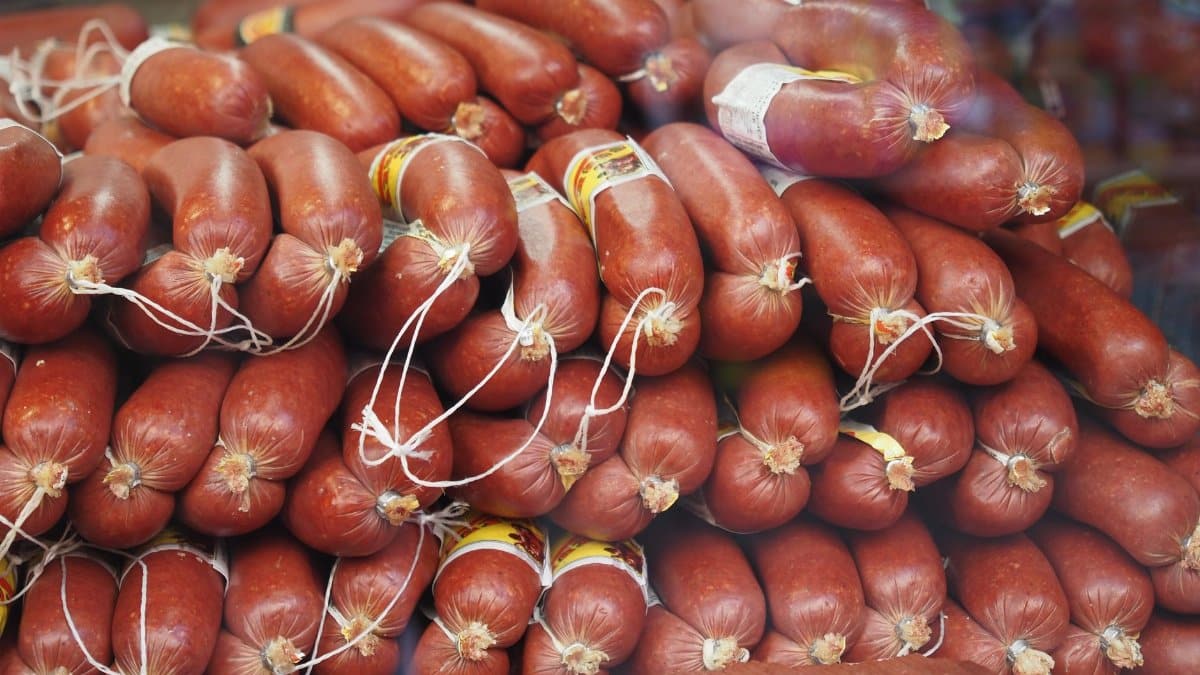
Retail data indicates that ground beef and premium steaks have reached elevated levels not seen in recent memory. Processors cite reduced animal numbers entering the supply chain as a primary driver. This situation creates ripple effects through distribution networks that ultimately reach store shelves in urban and rural areas alike.
Effects of Weather Patterns on Ranch Operations
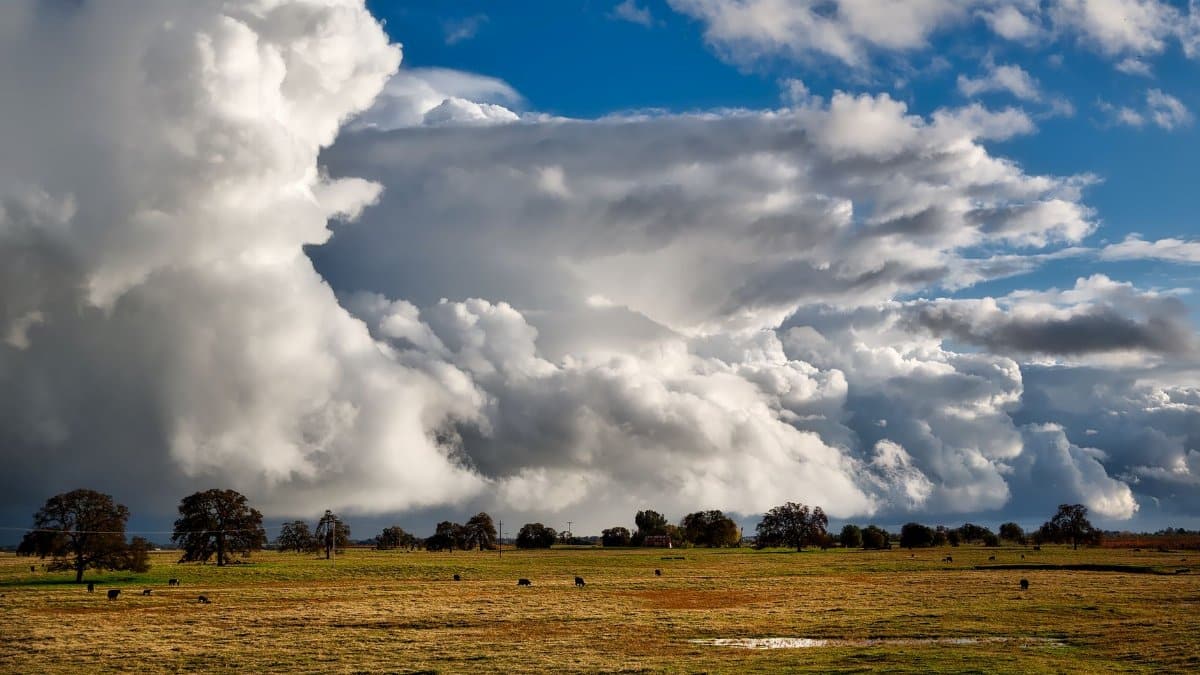
Drought conditions in key production regions have limited pasture availability and forced producers to adjust herd sizes. Ranchers describe difficult decisions about culling animals earlier than planned. These adjustments contribute directly to tighter supplies that support elevated pricing structures throughout the year.
Consumer Responses to Elevated Protein Costs

Families report shifting toward smaller portions or incorporating more plant based items into weekly menus. Some describe seeking sales or buying in bulk when possible to manage household expenses. The changes reflect broader adaptations as budgets stretch to accommodate ongoing price realities.
Role of Export Markets in Domestic Supply

International demand continues to draw significant volumes of American beef overseas. Trade agreements and currency fluctuations play parts in determining how much product remains available locally. This global dynamic adds another layer of pressure on availability for United States consumers.
Feed and Input Cost Influences on Production
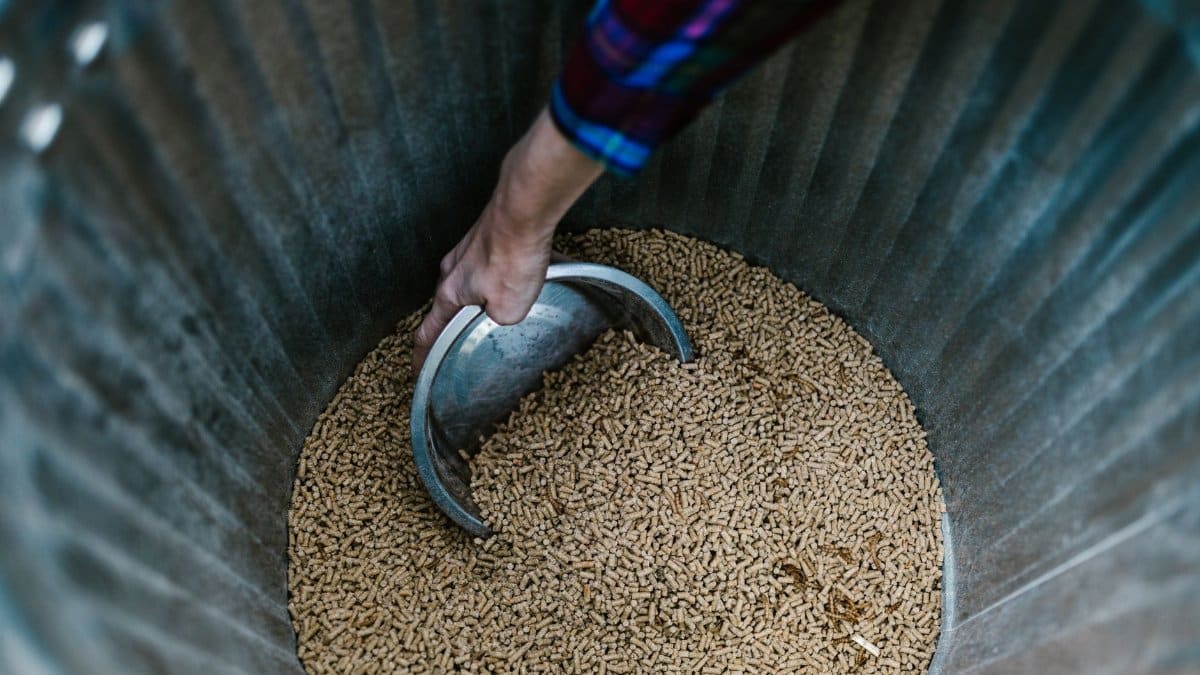
Grain prices remain a major factor in the economics of raising cattle to market weight. Volatility in corn and soybean markets affects what producers can afford to spend on nutrition. Higher input expenses often translate into the final prices seen at retail locations.
Inventory Trends Among Cattle Producers
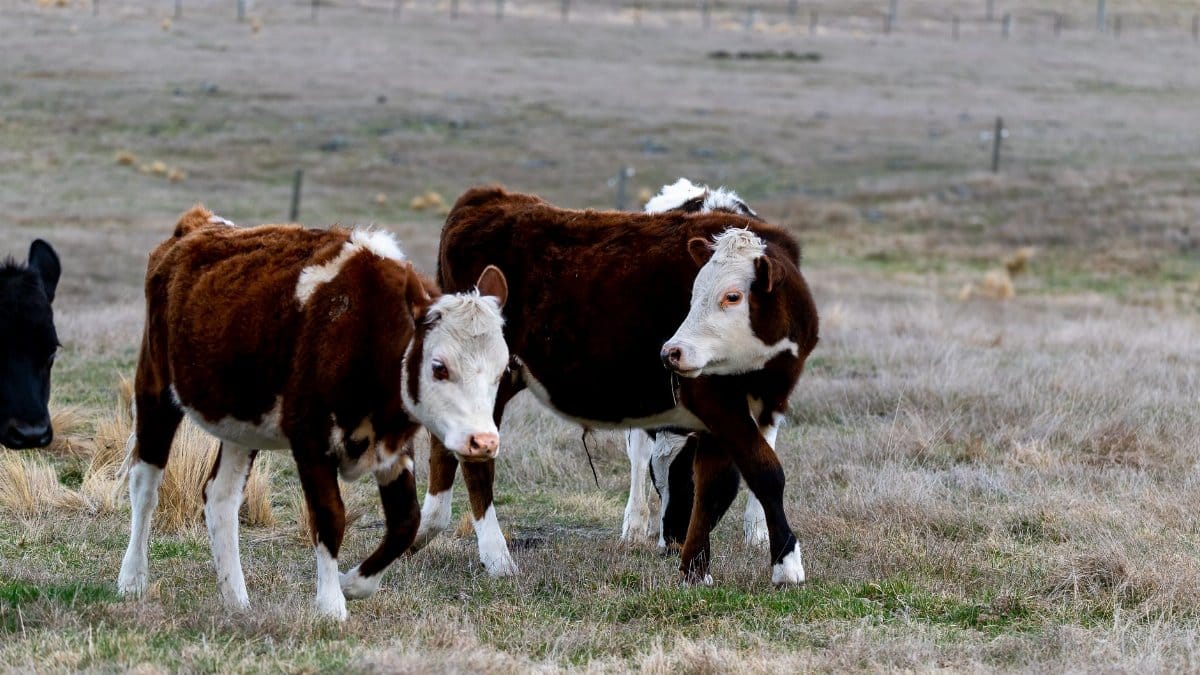
National herd counts have declined steadily due to a combination of weather and economic pressures. Rebuilding takes multiple seasons because of the biological timeline involved in cattle reproduction. Observers expect this contraction to influence availability well into the coming years.
Regional Variations in Retail Pricing
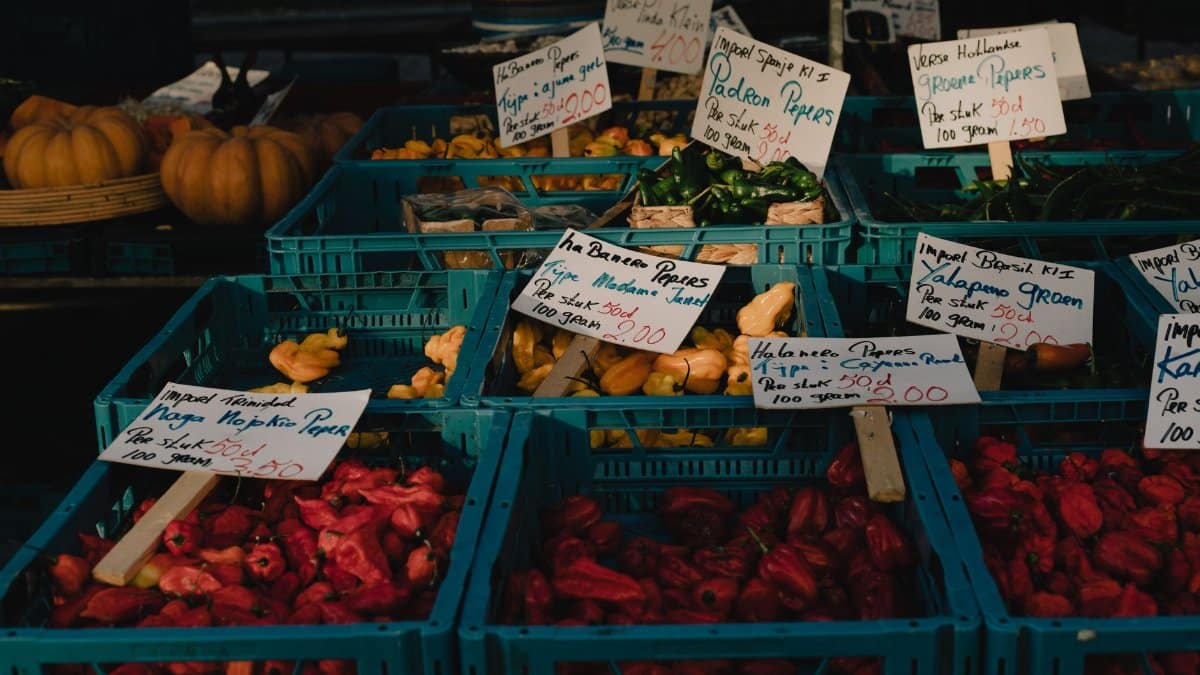
Prices differ across the country based on transportation distances and local demand patterns. Coastal cities sometimes see higher marks than inland areas with closer access to processing facilities. These differences highlight how geography shapes what shoppers encounter in their specific markets.
Potential Timelines for Market Stabilization
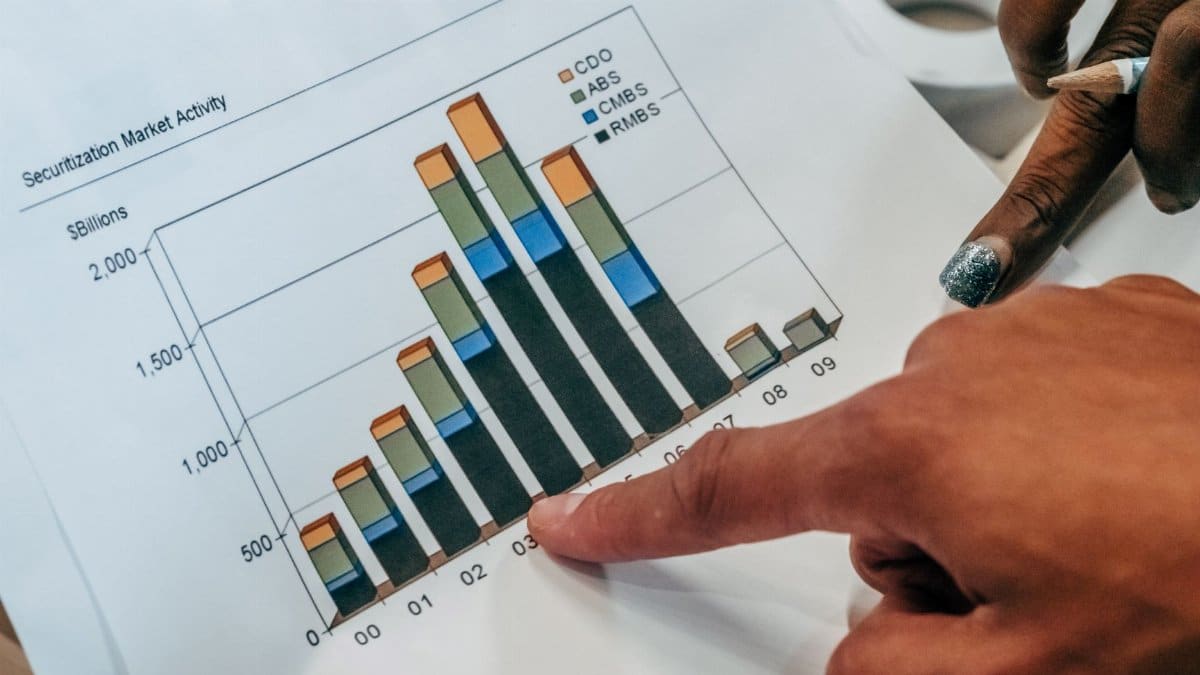
Industry projections suggest that meaningful relief may not arrive before beef prices 2026 reach their peak. Rebuilding herds requires time and favorable conditions that cannot be rushed. Analysts caution that several seasons of steady production gains would be needed to ease the current tightness.
Alternatives Shoppers Consider During High Cost Periods

Poultry and pork often serve as substitutes when beef budgets feel constrained. Some consumers explore local farmers markets or direct purchase arrangements with smaller operations. These strategies provide options while larger scale supply issues persist.
Policy and Regulatory Factors at Play

Government programs aimed at supporting agriculture can influence producer decisions about expansion. Regulations around land use and environmental standards also factor into long range planning. Such elements add complexity to efforts aimed at increasing overall output.
Outlook for Household Budgets Moving Forward

Many financial planners advise preparing for continued pressure on food expenses through the next several years. Tracking sales and adjusting meal planning remain common recommendations. The situation underscores how agricultural trends intersect with daily life for average Americans.