

Many adults find themselves blindsided by the quiet dissolution of a decades long friendship, an experience that triggers deep emotional turmoil often labeled Friendship Breakup Grief. This form of loss can surface after years of shared milestones and daily confidences, leaving individuals to navigate sorrow without the rituals or recognition granted to romantic endings. Therapists note that such grief stems from the fundamental human reliance on platonic bonds for identity and stability, bonds that lack formal acknowledgment in most social frameworks. The absence of clear closure amplifies the pain, as one party may drift away without explanation while the other remains entangled in memories and unanswered questions. Research into adult attachment patterns reveals that these friendships frequently serve as primary sources of support, making their fracture feel like an erasure of personal history.
The Quiet Ways Connections Fade

Friendships often dissolve through gradual withdrawal rather than dramatic confrontation. One person stops returning calls, skips invitations, or offers vague excuses that accumulate over months. This slow retreat denies the remaining friend any chance for dialogue or mutual understanding, intensifying the sense of rejection. Middle aged readers frequently describe this pattern in their own lives, where career demands or family shifts pull once central relationships into the background until nothing remains.
Societal Silence Around Platonic Loss
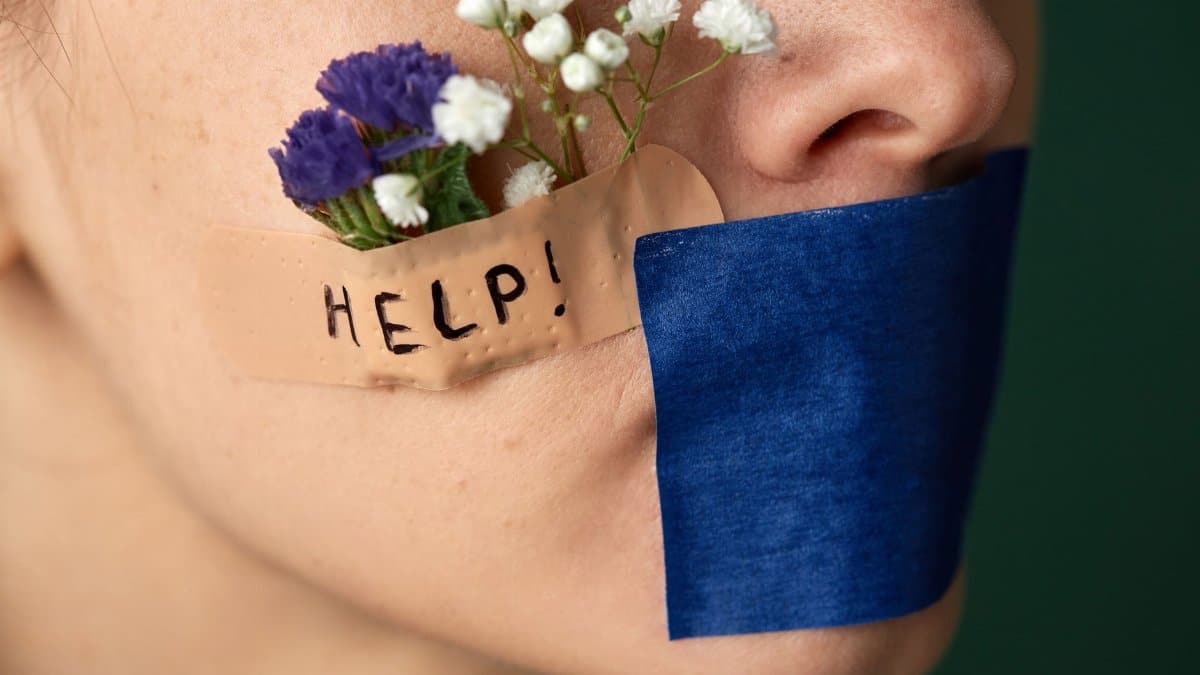
Cultural narratives prioritize romantic partnerships, leaving little space to discuss the end of a close friendship. Cards, ceremonies, and community support exist for divorces yet rarely extend to these quieter separations. The result leaves many adults feeling isolated in their distress, unsure whether their reaction qualifies as legitimate grief. This gap in social validation can prolong recovery and discourage open conversation.
Attachment Patterns Rooted in Shared History

Longstanding friendships create intricate webs of mutual reliance that resemble family ties more than casual acquaintances. Shared references to past events form a private language that reinforces belonging. When that language vanishes, individuals lose not only the person but also the version of themselves reflected back through the relationship. Therapists observe that this dimension of loss explains why Friendship Breakup Grief sometimes registers more acutely than romantic separations.
Comparing Depths of Emotional Response

Romantic breakups receive external markers such as returned belongings or divided assets. Friendship endings offer no such structure, forcing the aggrieved party to manage internal processing alone. Studies on adult social networks indicate that platonic confidants often provide more consistent emotional labor than partners, particularly during midlife transitions. The sudden removal of that steady presence therefore disrupts daily equilibrium in ways that surprise those affected.
Recognizing the Body Response to Absence

Grief from lost friendships manifests physically through disrupted sleep, appetite changes, and lingering fatigue. These symptoms arise because the brain registers social exclusion in regions associated with physical pain. Without acknowledgment from others, individuals may attribute these signals to unrelated stress, delaying recognition that the friendship itself requires mourning.
Navigating Conversations With Mutual Contacts

Remaining social circles complicate recovery when mutual friends continue their own relationships with the absent party. Awkward silences or divided loyalties force choices about what information to share. Many adults choose restraint to avoid appearing petty, yet this self censorship adds another layer of emotional labor during an already taxing period.
Reestablishing Individual Identity

After the initial shock, individuals often reassess how much of their self concept depended on the lost friendship. Hobbies once pursued together may lose appeal, while new interests emerge as ways to reclaim autonomy. This reconstruction phase can feel both liberating and disorienting as personal preferences surface without external input.
Building Sturdier Connections Moving Forward

Those who endure Friendship Breakup Grief frequently report greater intentionality in subsequent relationships. They prioritize explicit communication about expectations and maintain broader networks rather than concentrating emotional investment in single bonds. Over time this approach reduces vulnerability while preserving the human need for meaningful companionship.