
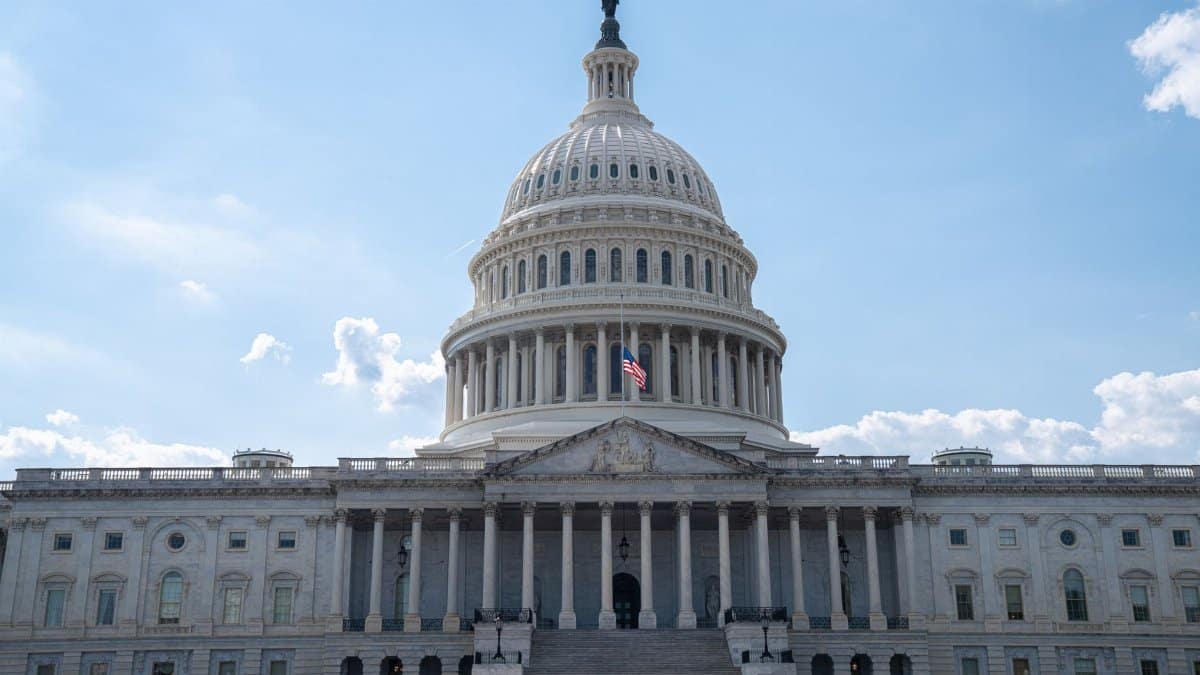
In Michigan the outcome of a hard fought contest has drawn attention from across the political spectrum. The El-Sayed primary victory arrived after months of intense campaigning that highlighted issues of health care access and economic fairness for working families. Observers noted strong turnout in urban centers and suburban communities alike, signaling shifts in voter priorities that could influence the general election. Abdul El Sayed built a coalition that emphasized practical solutions over partisan rhetoric, appealing to a wide range of Democratic voters who sought fresh leadership. The result leaves the party positioned for a competitive Senate battle in the fall.
Early Signals from Campaign Trail

Supporters gathered in Detroit and Lansing to celebrate as results came in on primary night. El Sayed focused his message on expanding coverage for preventive medical services and protecting manufacturing jobs from overseas competition. Volunteers described door to door conversations that revealed widespread concern about rising costs for families. These interactions shaped a platform that resonated in areas hit hard by recent factory closures.
Voter Turnout Patterns Across State
Data from election officials showed elevated participation in districts with large Arab American populations, where El Sayed built early momentum. Similar strength appeared in college towns and among younger professionals who favored his emphasis on climate resilience and education funding. Haley Stevens maintained solid backing in traditional strongholds yet struggled to match the enthusiasm that drove record numbers to the polls in key precincts.
Policy Positions That Defined Contest

El Sayed advocated for public investment in green energy projects that could create local employment while reducing long term environmental risks. He also called for reforms to prescription drug pricing to ease burdens on seniors living on fixed incomes. Stevens countered with her record on workforce training programs, yet the debate ultimately favored the challenger whose vision felt more forward looking to many attendees at town halls.
Role of Community Organizations

Faith based groups and civic associations played a notable part in mobilizing voters who rarely participate in primaries. These networks hosted forums that allowed candidates to address questions about social justice and community stability. The discussions helped frame the race around shared values rather than narrow ideological divides, contributing to the decisive margin for the winner.
Media Coverage and Public Perception
Local outlets provided extensive analysis of spending patterns and endorsement lists in the weeks leading up to the vote. National attention remained limited until final tallies confirmed the upset. Commentators observed that El Sayed succeeded by staying disciplined on core economic themes instead of engaging in personal attacks that often dominate such contests.
Implications for General Election
Party leaders now face the task of unifying behind the nominee while preparing for a Republican opponent who will likely highlight national security and border issues. El Sayed primary victory provides a template for appealing to independents through concrete proposals on affordability and opportunity. Fundraising efforts are expected to accelerate quickly as the focus shifts to November.
Demographic Shifts in Democratic Base
Census trends indicate growing diversity within Michigan Democratic ranks, with increased influence from immigrant communities and younger cohorts. El Sayed tapped into these changes by highlighting inclusive economic policies that address inequality without alienating moderate voters. The approach proved effective in suburbs where demographic evolution has been most pronounced over the past decade.
Lessons from Previous Cycles

Analysts compared the contest to earlier primaries where challengers overcame established names by emphasizing grassroots energy. Past examples showed that consistent messaging on pocketbook concerns often outweighs advantages in name recognition. El Sayed applied those insights through disciplined scheduling and targeted outreach that maximized limited resources.
Future Outlook for Party Unity

Stevens conceded gracefully and pledged support for the nominee, setting a tone that could help avoid prolonged internal divisions. Joint appearances may follow to demonstrate solidarity on shared priorities such as infrastructure improvements and worker protections. Observers will watch closely to see whether this cooperation translates into stronger performance against the general election field.