
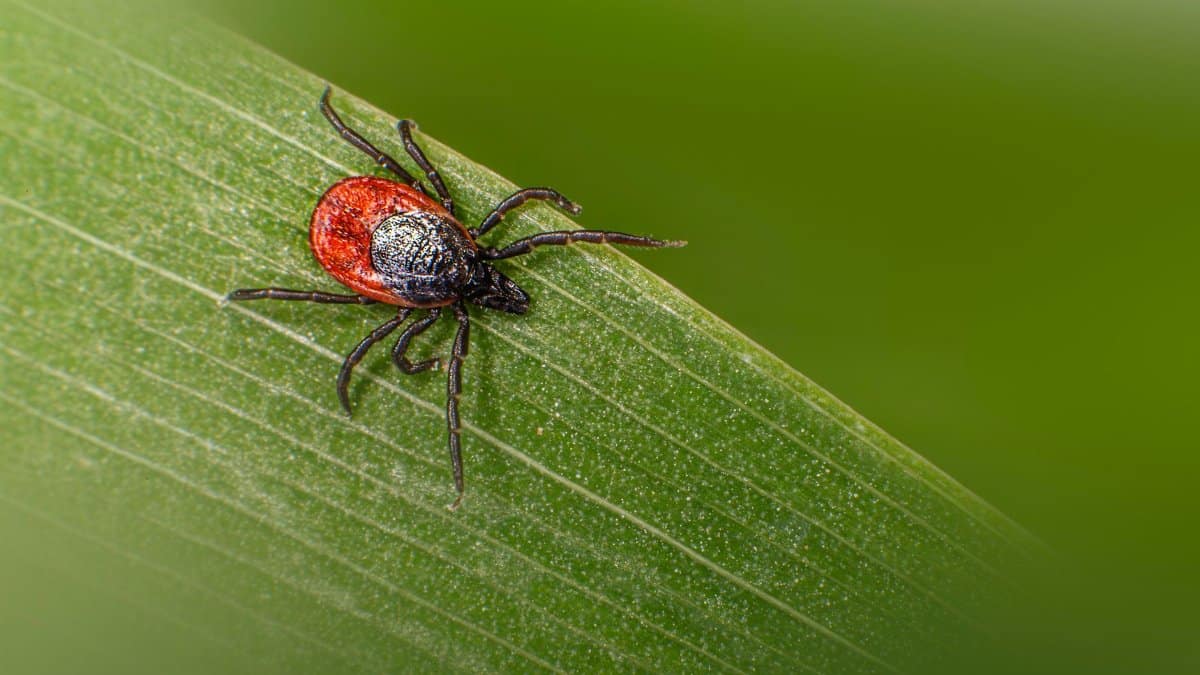
Most people who develop this allergy do not connect the itch, the cramps, or the sudden drop in blood pressure to the steak they ate at dinner. The reaction often arrives in the middle of the night, long after the plate has been cleared, which is why so many patients spend months blaming a virus, a new medication, or simple bad luck. Physicians now have a name for the pattern, and a growing body of surveillance ties it to one aggressive insect moving through yards, trails, and hunting land. The Alpha-gal lone star tick has turned an ordinary American meal into a medical mystery for a rising number of adults.
A bite that rewrites the menu
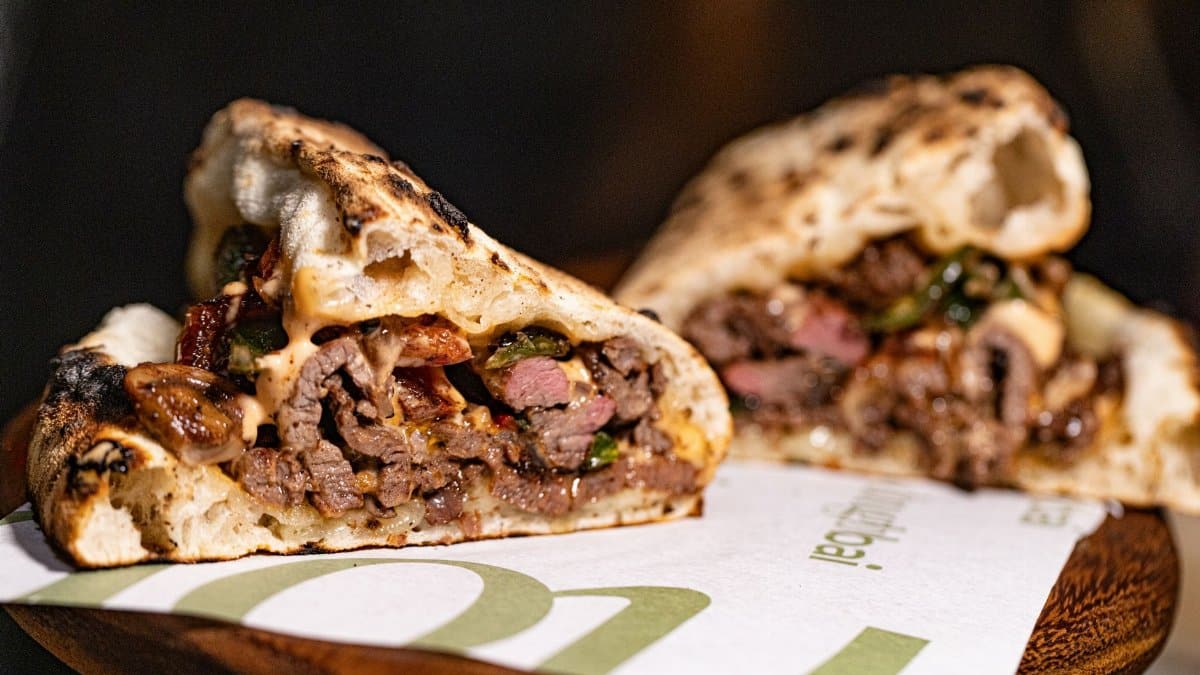
Alpha gal syndrome is an allergy to a sugar found in most mammals, from cattle and pigs to deer and lamb. The sugar, called galactose alpha 1,3 galactose, is absent from humans and from other primates. When a tick that has fed on a mammal later bites a person, it can introduce that sugar and, in some people, prime the immune system to treat it as a threat. The next time beef, pork, or venison appears on the plate, antibodies may fire. Unlike a peanut allergy, which usually strikes within minutes, this reaction is often delayed by two to six hours. That lag is the reason emergency rooms see patients who swear they have never been allergic to anything.
The illness is not a moral verdict on meat, and it is not a fad diet dressed up as science. It is an immune response with a specific trigger, a specific insect association in the United States, and a set of symptoms that can range from hives to life threatening anaphylaxis. Some people also react to dairy, gelatin, or certain animal derived products in medicines. Others tolerate small amounts for years and then lose that margin after another bite.
What the sugar does in the body

Researchers describe alpha gal syndrome as an unusual food allergy because the target is a carbohydrate rather than a protein. After sensitization, the body can produce IgE antibodies directed at that sugar. When a later meal delivers a fresh dose, mast cells release histamine and other mediators. The result may be flushing, swelling, stomach pain, diarrhea, vomiting, wheezing, or a dangerous fall in blood pressure.
The delay still puzzles patients more than the biology puzzles specialists. Digestion is slow. Fats in meat can hold the sugar and release it over time. A person can finish a barbecue, drive home, fall asleep, and wake in crisis. Spouses sometimes become the first witnesses. Clinicians say that history, more than any single blood number, is what makes the diagnosis stick. A positive test without symptoms is not the same thing as a disease that has announced itself at the table.
Why this tick is different
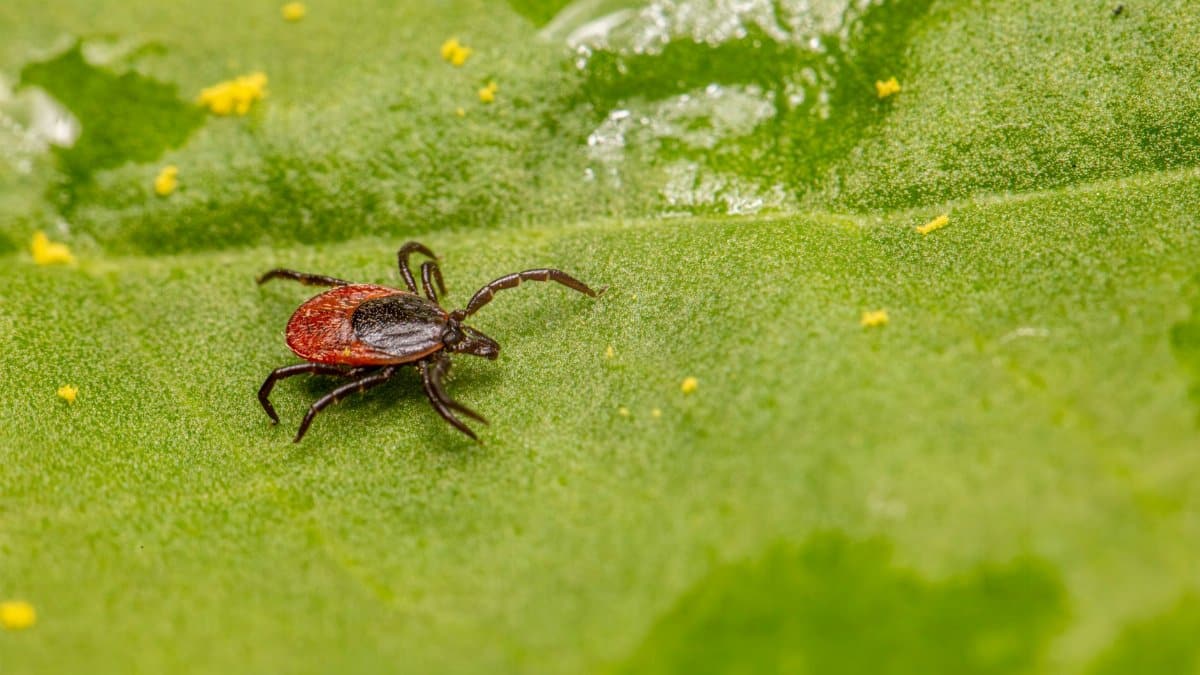
The lone star tick is named for the white spot on the adult female’s back. It is an assertive hunter. Unlike the blacklegged tick, which often waits quietly, this species will move toward a host across a lawn or a trail edge. Its established range runs through the Southeast, the Midwest, and much of the Atlantic coast, and field biologists have documented expansion as winters soften and deer populations remain high. White tailed deer are important hosts. So are people who garden, hunt, hike, or simply let a dog back inside after a walk through brush.
Public health agencies identify this species as the principal United States tick linked to the syndrome. That does not mean every bite produces an allergy, or that every case has a remembered bite. Larvae and nymphs are tiny. A person can be sensitized without ever noticing the insect. The Alpha-gal lone star tick connection is therefore both specific and easy to miss: the insect is common, the sugar is common, and the illness hides inside ordinary digestion.
A count that startled clinicians

In July 2023, the Centers for Disease Control and Prevention reported that more than 110,000 suspected cases had been identified in the United States from 2010 through 2022, based largely on laboratory testing. Because many people are never tested, the agency estimated that as many as 450,000 Americans might have been affected. The same report found that many health care providers knew little about the condition. Nearly half of surveyed clinicians had not heard of it. Details are in the agency’s Morbidity and Mortality Weekly Report and on its alpha gal data page.
Those figures are not a census of people who cannot eat hamburgers. A positive antibody test can appear in someone with no symptoms, and symptoms can occur in someone whose test is only weakly positive. What the numbers do show is a steep rise in recognition, concentrated where the tick is abundant, and a diagnostic gap large enough to leave patients cycling through allergists, gastroenterologists, and emergency departments.
The map keeps moving

Cases cluster in the South and the lower Midwest, but the geography is no longer a regional curiosity. As the tick’s range shifts, physicians in places that once rarely saw the syndrome are learning to ask a new question: what did you eat several hours before you got sick? Travel complicates the map. A week in a wooded rental, a hunting trip, or a walk with grandchildren can plant the exposure far from the clinic where the mystery is later solved.
Climate, land use, and host animals all shape that movement. Warmer seasons lengthen the period when ticks are active. Suburban edges, where woods meet lawns, are ideal habitat. None of this requires panic about every blade of grass. It does require retiring the idea that tick illness is only Lyme disease, only a bull’s eye rash, and only a problem for deep wilderness.
The delay that fools everyone

Ask patients what they ate and many will answer with breakfast. The relevant meal was dinner. That mismatch produces false leads: shellfish from a restaurant, a glass of wine, stress, a stomach bug. Repeated episodes eventually draw a line. The common thread is mammalian meat, sometimes only fatty cuts, sometimes a single indulgence after months of quiet.
Alcohol, exercise, and certain medications can worsen a reaction in people who are already sensitized. A quiet weekend meal may pass, and a similar meal after a run may not. Families learn this by trial, which is a harsh teacher. Allergists prefer a careful history, testing when appropriate, and a plan for epinephrine if past reactions have been severe. Guesswork in a parking lot is not a strategy.
Testing, doubt, and the unheard patient

Blood tests look for IgE antibodies to the sugar. They are useful and incomplete. Levels can fall if a person avoids further tick bites and avoids the food trigger. They can rise again after a new bite. A test does not grade moral seriousness, and it does not predict every future meal with precision. The CDC has urged clinicians to learn the pattern precisely because missed cases are common. Its overview is at cdc.gov.
Doubt has a social cost. Friends may treat the restriction as a preference. Restaurants may hear “no mammal” and still send gelatin, beef stock, or lard. Some patients describe a kind of grief that has nothing to do with trend. Sunday roasts, hunting camps, church suppers, and holiday tables are how many middle aged Americans mark time with the people they love. Losing those dishes can feel like losing a language. That feeling deserves respect even when the science is straightforward.
Living with a narrower table

There is no approved cure that reliably switches the allergy off. Management is avoidance, vigilance about new bites, and readiness for emergencies. Poultry, fish, and most plant foods do not contain the sugar. Dairy is unpredictable: some patients tolerate it, others do not. Labels matter for gelatin, certain capsules, and meat based flavorings. A clinician should guide questions about vaccines or drugs that may contain animal products, because internet lists are a poor substitute for a medical record.
Many people improve if they stop being bitten. That is not a promise. It is a reason to treat prevention as part of treatment. Permethrin treated clothing, repellents used as directed, daily tick checks, and prompt removal all reduce risk. Showering after outdoor work helps. So does keeping brush cut back where children play. These are old habits with a new stake. The Alpha-gal lone star tick does not care whether a person believes in the diagnosis.
Kitchens, clinics, and the stories we tell

Hospitals are beginning to build the syndrome into food allergy protocols, but practice is uneven. An emergency physician who asks only about nuts and shellfish will miss the midnight burger. A primary care visit that ends with “probably anxiety” can delay epinephrine training by a year. Better care is not exotic. It is a longer dietary history, a willingness to order the right test, and a referral when reactions have involved breathing or blood pressure.
Public conversation has another job. This is not an argument that everyone must abandon meat, and it is not proof that modern life is uniquely cursed. It is evidence that a common insect can rearrange a common diet, quietly, and that institutions should catch up. Hunters, farmers, and pitmasters are among the people most exposed and most attached to the foods at issue. They need practical advice, not lectures.
I have listened to readers describe the first safe meal after months of fear, usually something plain, eaten early, with someone else in the house. Relief in those stories is almost spiritual, not because illness is a lesson, but because sharing food is one of the last ordinary sacraments many households still keep. When that sacrament becomes dangerous, people deserve clear facts.
What to watch for now

Anyone with repeated hives, gut illness, or fainting several hours after mammalian meat should tell a clinician, mention time spent outdoors, and ask about alpha gal testing. Anyone who already carries the diagnosis should treat new tick bites as medically relevant, not as background noise. Parents should know that children can be affected, though much of the documented rise has been in adults. Travelers should pack the same caution they would use for any tick habitat, even on a short visit.
Surveillance will keep changing the totals. Better awareness will find cases that were always there, and a wider tick range may create cases that were not. Both things can be true. The honest summary is narrower than the headlines and still serious. The Alpha-gal lone star tick has given the country a food allergy that hides in the dark hours after dinner. Naming it, counting it, and teaching clinicians to recognize it will not restore every roast. It will keep more people from meeting their own kitchens as strangers.