
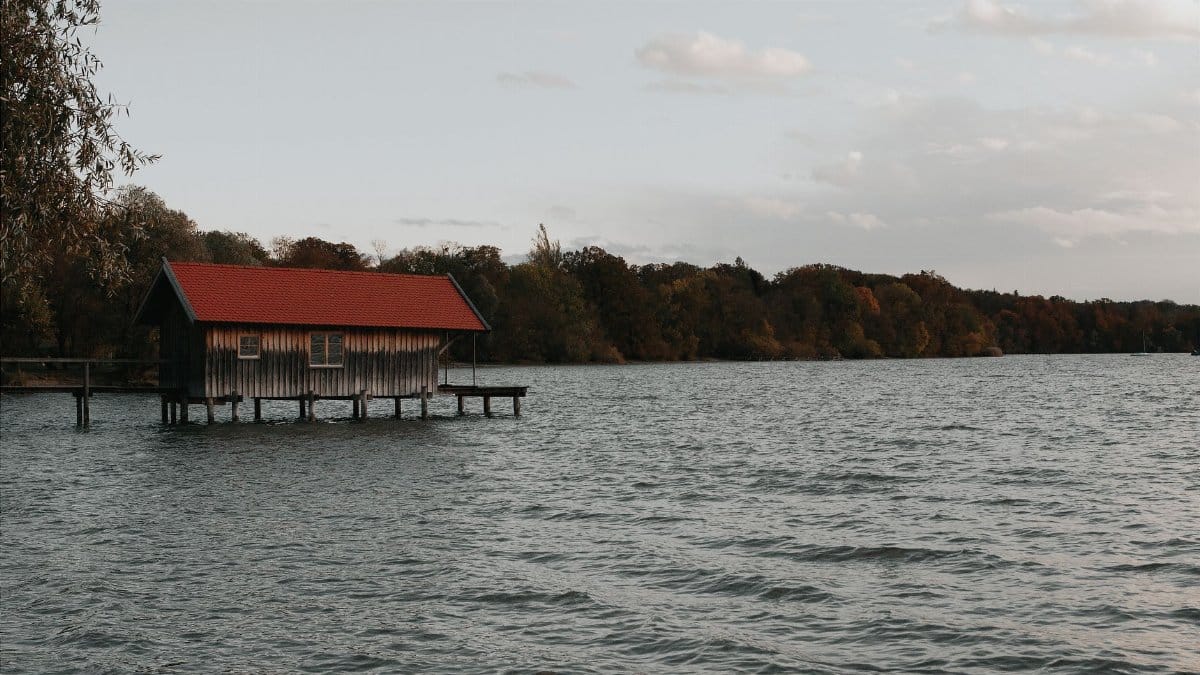
Along the calm waters of a beloved urban lake a dispute has taken shape that touches on public access and private operations. White Rock Boathouse finds itself in court defending its practices against accusations from Dallas officials. The nonprofit organization argues that it has followed all terms of its agreement while providing valuable services to the community. This case raises questions about how cities manage partnerships with local groups dedicated to recreation and preservation. Observers note the tension between growth in lake use and the need to honor existing contracts that support both residents and visitors.
Roots of the Current Conflict

The disagreement stems from differing views on how a boathouse facility should operate under city oversight. Officials claim certain access rules have not been met in full while the group insists its record shows consistent compliance. Court documents reveal a pattern of communications dating back several years where both sides discussed adjustments to schedules and fees. Community members have followed the proceedings with interest as the outcome could shape similar arrangements elsewhere in the region.
Role of Public Lake Access
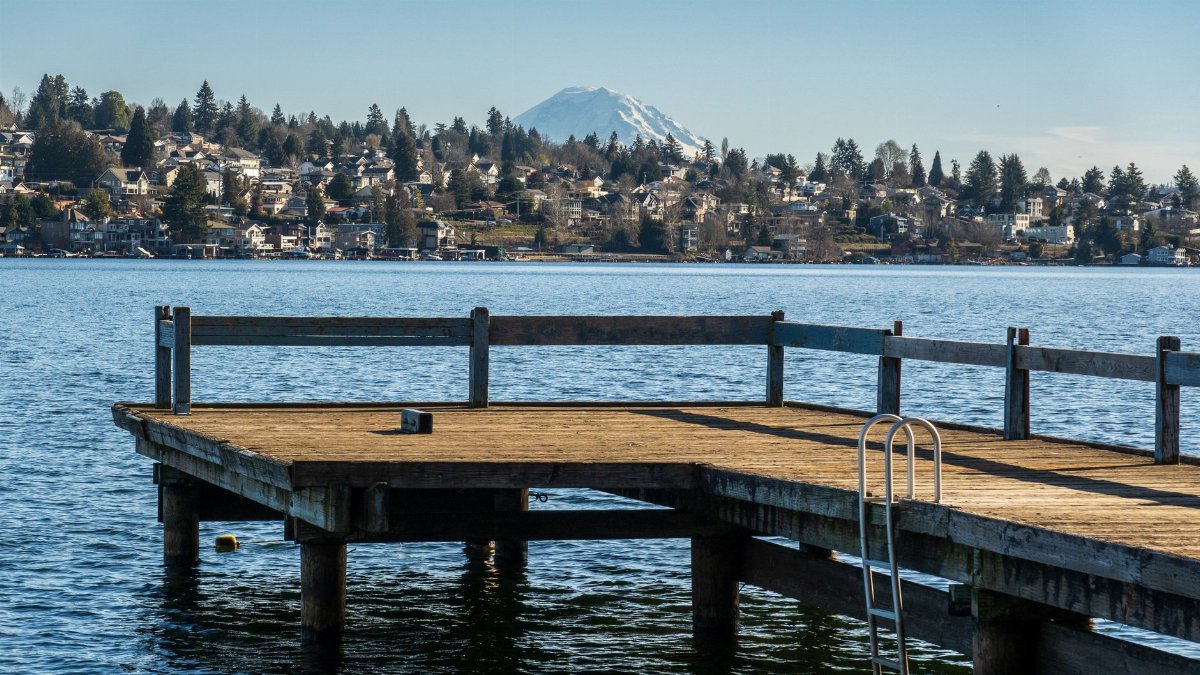
Access to the water remains a core concern for many who live nearby and rely on open entry for exercise and leisure. The facility in question offers programs that encourage rowing and sailing for people of various ages and skill levels. Proponents of expanded hours argue this supports health goals across the city while critics worry about overuse and maintenance costs. White Rock Boathouse maintains that its current policies balance these factors without violating any written terms.
Legal Arguments Presented

Lawyers for the organization presented evidence of regular reports submitted to city staff along with records of public events held at the site. They contend that any perceived shortfalls resulted from external factors such as weather or staffing shortages rather than intentional neglect. Dallas representatives counter that the agreement called for specific performance metrics that were not achieved on a steady basis. The judge has scheduled further hearings to examine these details in depth.
Community Reactions and Support

Residents and users of the lake have voiced opinions through public meetings and online forums. Some express frustration over potential limits to their routines while others defend the boathouse as a vital resource that enriches local life. Petitions have circulated both in favor of the group and in support of stricter oversight by municipal leaders. This divide highlights broader debates about shared spaces in growing urban areas.
History of Similar Partnerships

Cities across the country have formed arrangements with nonprofits to manage recreational sites and this model often brings mutual benefits when expectations are clear. In Dallas the approach has allowed specialized groups to handle programming that might otherwise strain public budgets. Yet when disputes arise they can expose gaps in contract language or changes in priorities over time. The current matter offers a chance to review such frameworks for future clarity.
Potential Outcomes and Next Steps

If the court sides with White Rock Boathouse the organization could continue operations under existing guidelines with perhaps minor revisions. A ruling for the city might require adjustments to access policies or even changes in management structure. Either path could influence how other lake facilities are run and what standards apply to public private collaborations. Both parties have expressed willingness to explore mediation before a final decision.
Broader Implications for Local Governance

This episode reflects ongoing challenges in balancing commercial or nonprofit activities with the public interest at natural sites. Effective oversight requires ongoing dialogue and adaptable agreements that account for evolving needs. As the case proceeds it may prompt reviews of comparable contracts throughout the area to prevent future misunderstandings. The focus remains on preserving the lake as a shared asset for generations to come.