

Lawmakers in Arizona have shaped a major spending plan that balances economic expansion with essential public services across the state. This approach comes at a time when revenues from technology investments and population growth offer new opportunities yet also create pressure to manage resources wisely for future generations. Communities from Phoenix to Tucson stand to feel the effects in schools, infrastructure and tax policies that aim to keep the state competitive. The latest figures show an overall commitment of eighteen billion dollars focused on priorities that reflect both immediate needs and longer term stability. Arizona budget 2026 emerges as a central reference point in these deliberations as officials prepare for upcoming electoral cycles and voter expectations.
Core Allocations Across State Agencies
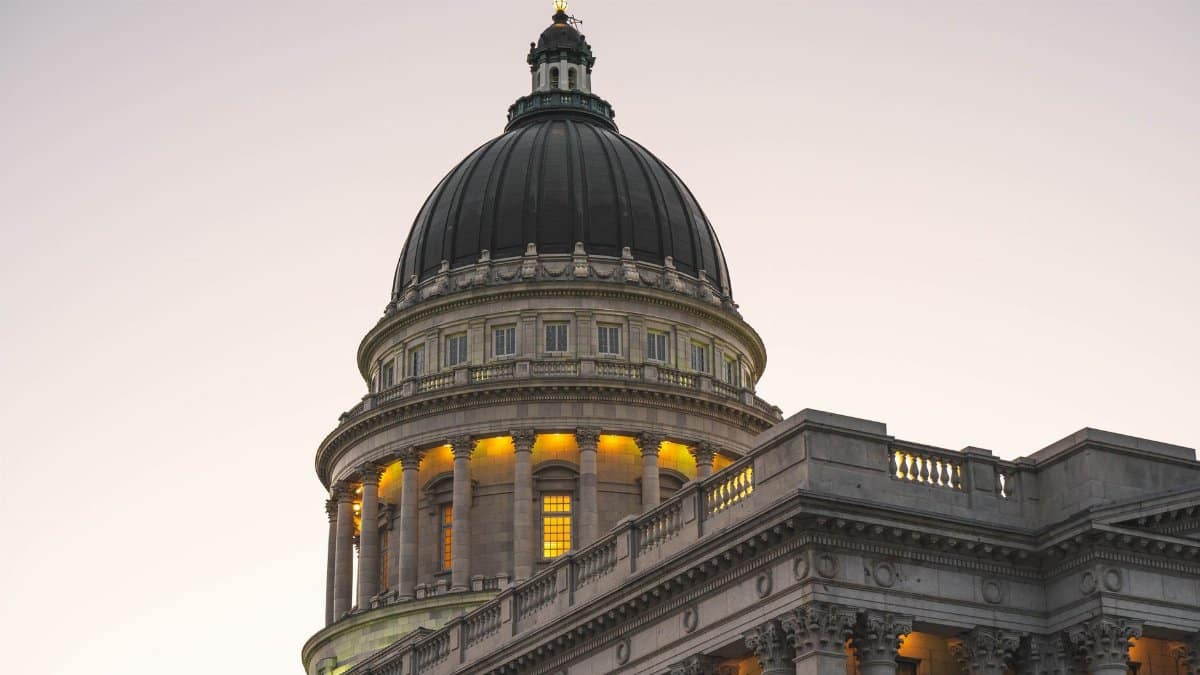
The budget directs significant portions toward health services transportation and public safety with measurable increases compared to prior years. Agencies responsible for environmental oversight receive steady support to handle growing demands from urban development. This distribution reflects careful negotiations that avoided sharp cuts in any single area while allowing modest expansions where data indicated the strongest returns for residents.
Adjustments in Taxation Policies

Officials approved targeted reductions in income tax rates designed to ease burdens on middle income households and small businesses. These changes build on earlier reforms yet introduce new thresholds that phase in over several years. Analysts note the moves could stimulate local spending without undermining the overall revenue base needed for essential programs.
Shifts in Education Resources

Funding for public schools sees an emphasis on teacher salaries and classroom technology with additional dollars allocated through a revised formula. Higher education institutions gain support for research initiatives tied to workforce development in emerging industries. The structure encourages accountability measures that track student outcomes more closely than before.
Changes Affecting Data Centers
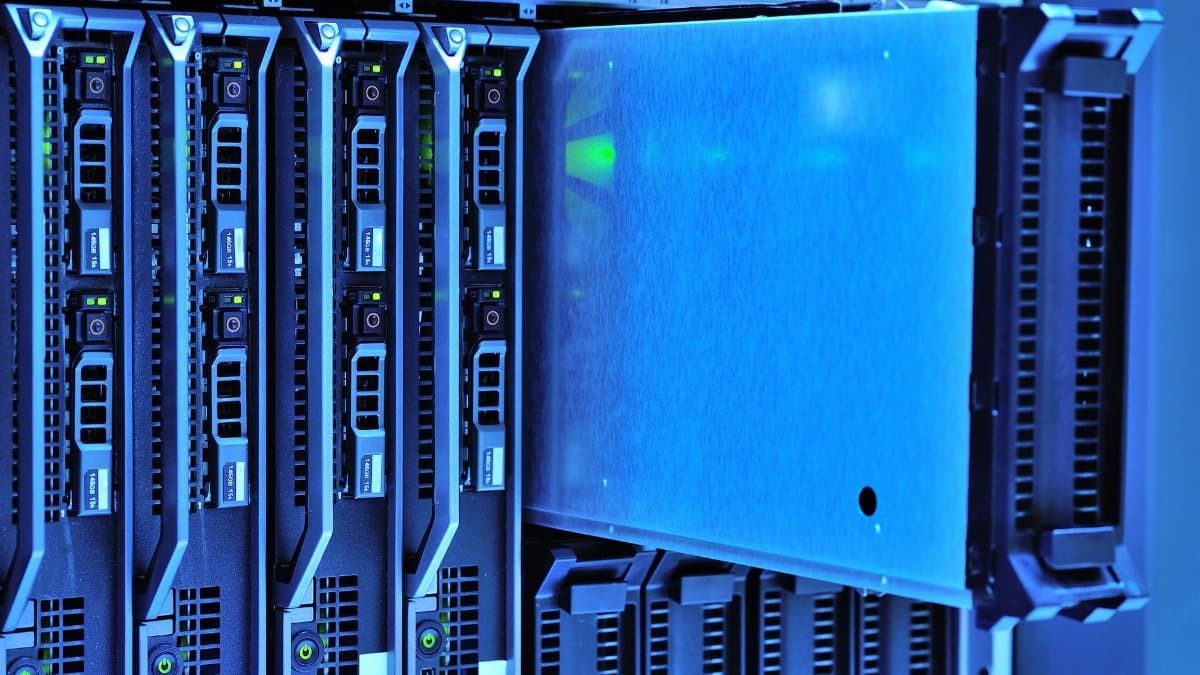
New provisions alter tax incentives for large scale computing facilities with updated rules on energy usage and land use permits. These modifications respond to rapid growth in the sector while addressing concerns from local governments about infrastructure strain. The policy seeks a middle path that sustains investment yet protects community interests.
Infrastructure and Transportation Priorities
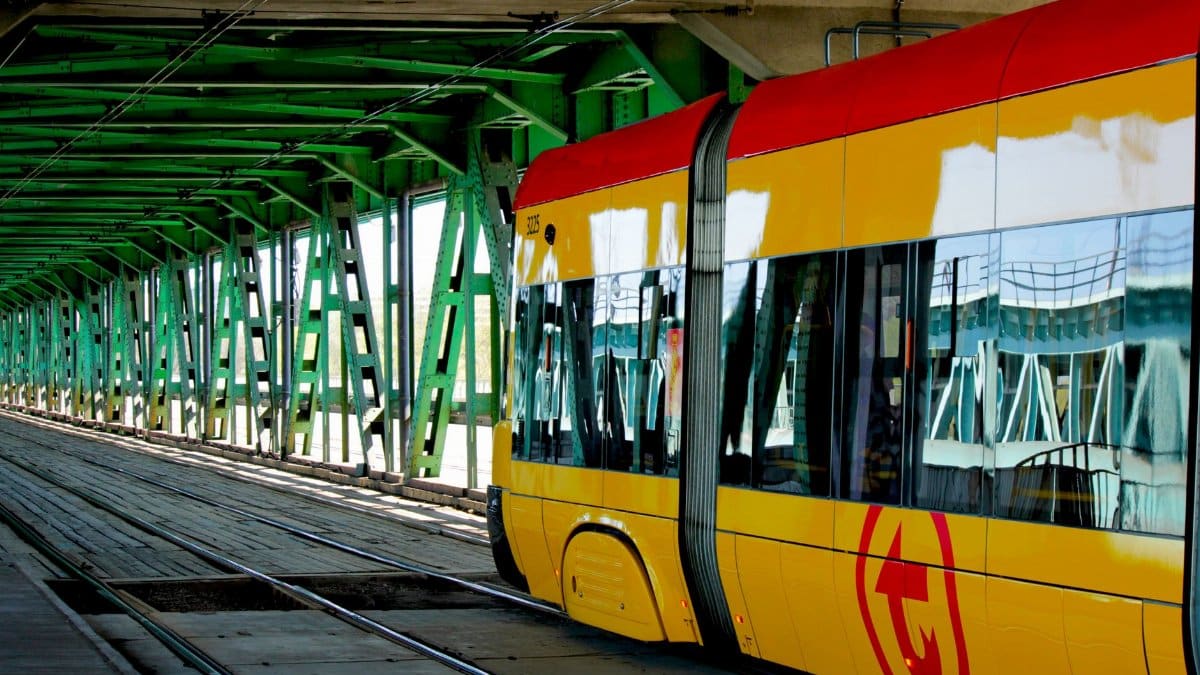
Road and transit projects receive dedicated streams of funding to accommodate population increases in suburban corridors. Emphasis falls on maintenance of existing systems alongside selective expansions that connect rural areas more effectively to urban centers. Federal matching funds play a role in stretching state dollars further on major initiatives.
Health and Human Services Provisions

Programs supporting mental health and substance abuse treatment gain expanded capacity through new grants and facility upgrades. Medicaid related expenditures remain a large line item yet show efforts to control costs via preventive care incentives. Advocates highlight improved access in underserved regions as a key outcome.
Environmental and Natural Resource Measures
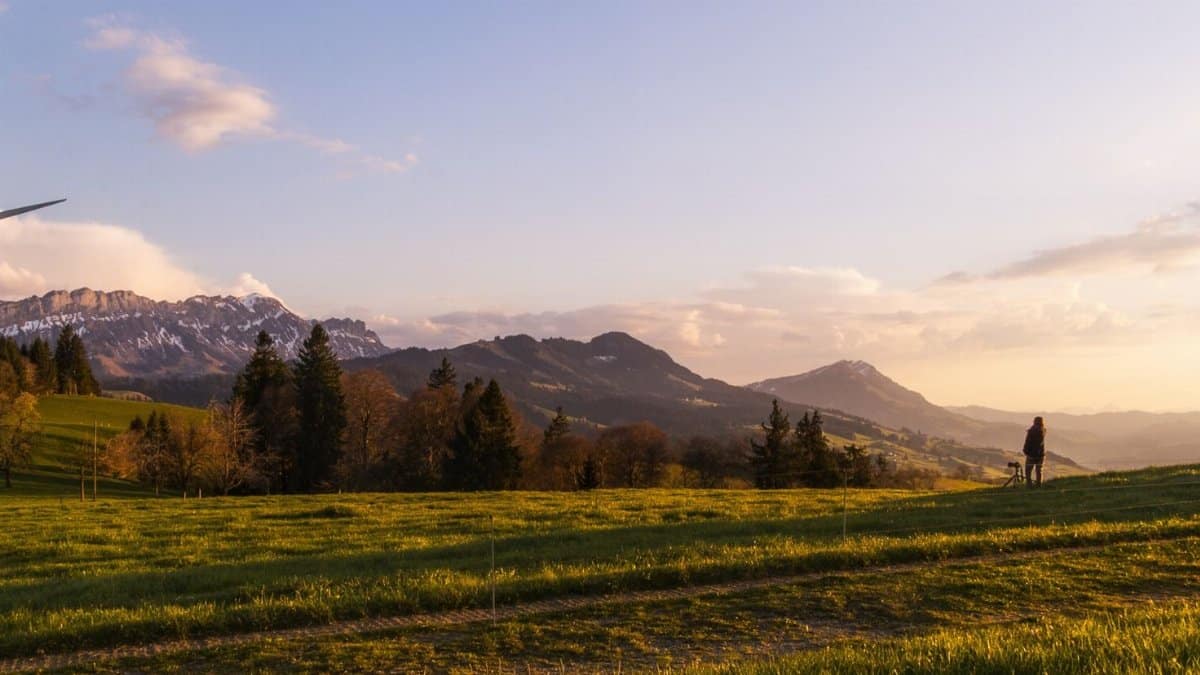
Allocations for water conservation and wildfire prevention reflect ongoing challenges in a desert environment experiencing climate variability. State parks and wildlife agencies obtain resources for habitat restoration projects that also support tourism. The framework integrates economic considerations with ecological protection.
Outlook as Election Season Approaches

With the next cycle on the horizon the spending plan sets the stage for debates over fiscal philosophy and service delivery. Bipartisan support provided a foundation yet future adjustments remain likely depending on revenue trends and shifting voter priorities. Observers expect continued scrutiny of how effectively the allocations deliver results for everyday Arizonans.