
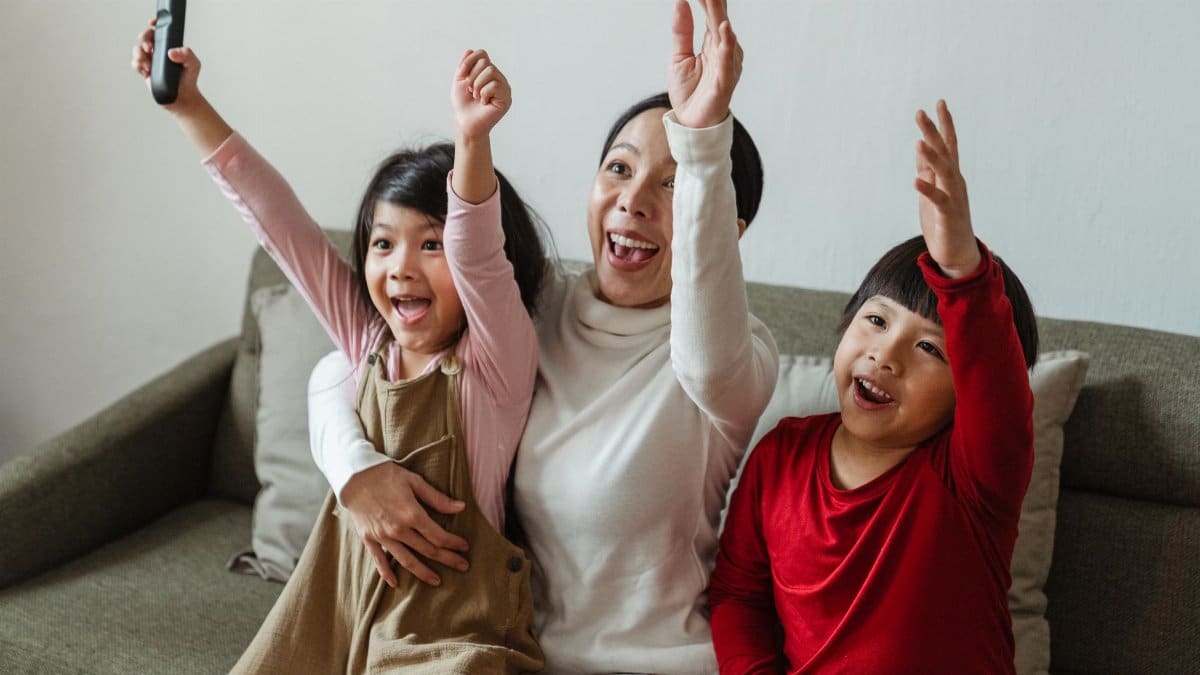
Many parents wonder how the programs their children watch shape their views on what boys and girls can do. Stories told on screen often carry messages that linger long after the screen goes dark. Gender Representation Children TV offers a window into these influences that reach far beyond entertainment. Studies continue to track how repeated images form lasting ideas in young minds and prompt fresh questions about balance in media.
Historical Trends in Character Roles
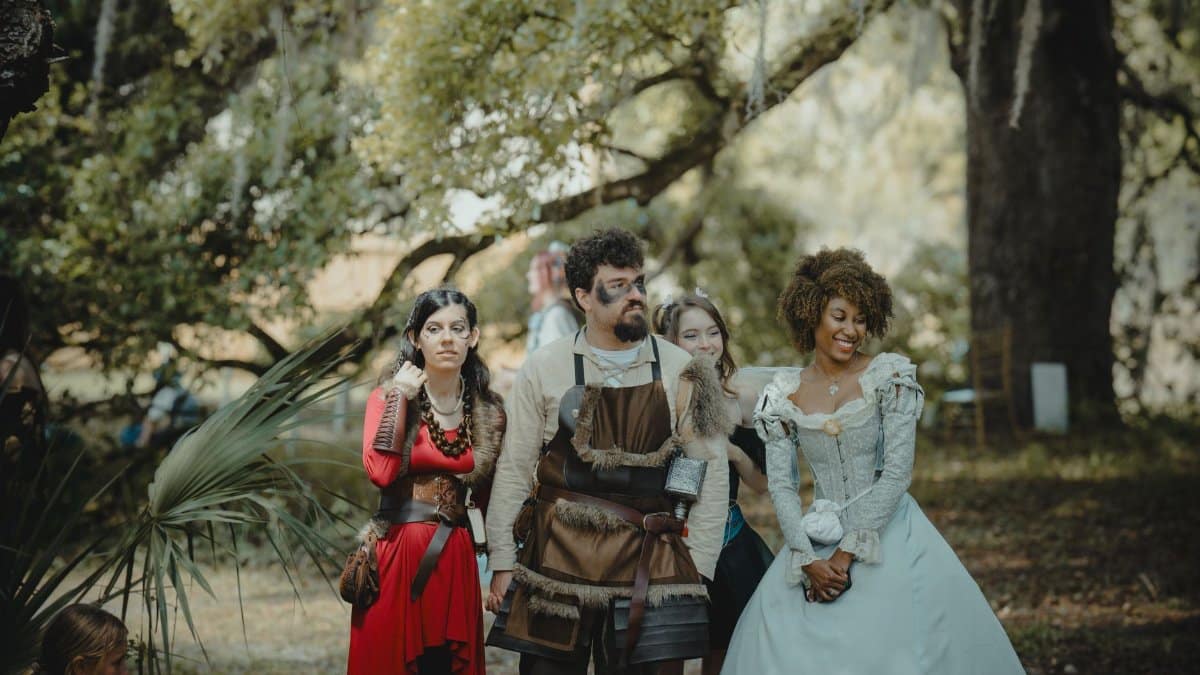
Early television often placed male figures in adventurous parts while female characters stayed closer to home settings. Over decades this pattern shifted as creators introduced more varied parts for girls. Yet many shows still lean on familiar outlines that limit options for both genders. Researchers note that these outlines appear across different networks and time slots.
Effects on Young Viewers Development

Children absorb cues from the characters they see daily. When girls appear mainly as helpers or in need of rescue the message can narrow their sense of possibility. Boys may learn that strength means avoiding emotion or care giving tasks. Such lessons build over hours of viewing and can guide choices in play and later in school.
Current Data from Major Studies

A project from the University of Southern California examined hundreds of episodes across popular networks. The team found male characters still outnumber female ones in lead roles by a notable margin. Female characters speak less and appear in fewer action scenes. Details appear at https://greatergood.berkeley.edu/article/item/what_research_says_about_gender_representation_in_childrens_tv.
Role of Streaming Services
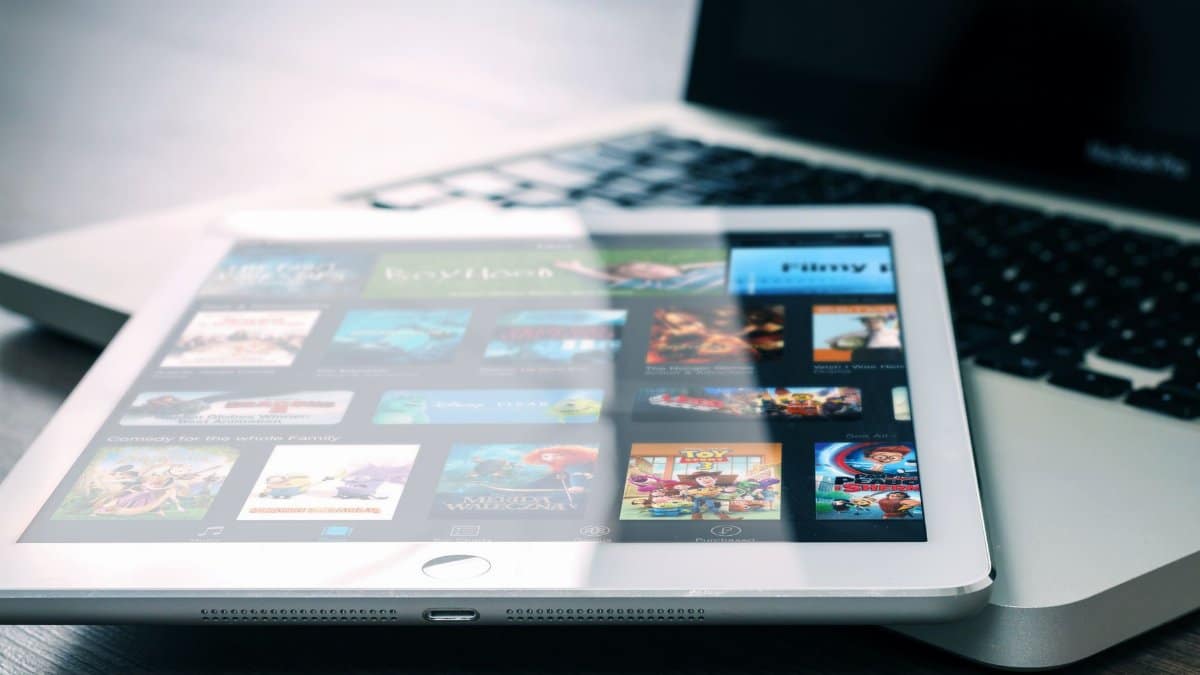
New platforms bring both chances and challenges. Some original series feature girls as inventors or leaders in equal measure with boys. Others repeat older formulas with little change. Parents can check episode guides and sample shows before allowing full access.
Parental Guidance Strategies
Families gain from open talks after watching together. Questions about why a character made a choice help children think critically. Selecting programs with mixed teams behind the camera also supports wider portrayals. Groups that track media offer updated lists of recommended titles.
Global Comparisons in Content

Programs made outside the United States sometimes present different balances. In certain countries female leads handle science or sports with the same focus given to male peers. These examples suggest that creative choices rather than fixed rules drive the images seen on screen.
Future Directions for Creators
Writers and producers hold power to adjust the stories they tell. Training sessions on unconscious patterns have helped some studios expand the range of parts offered. Viewers who write to networks can add pressure for continued progress. The result may be richer viewing that reflects real life more closely.