
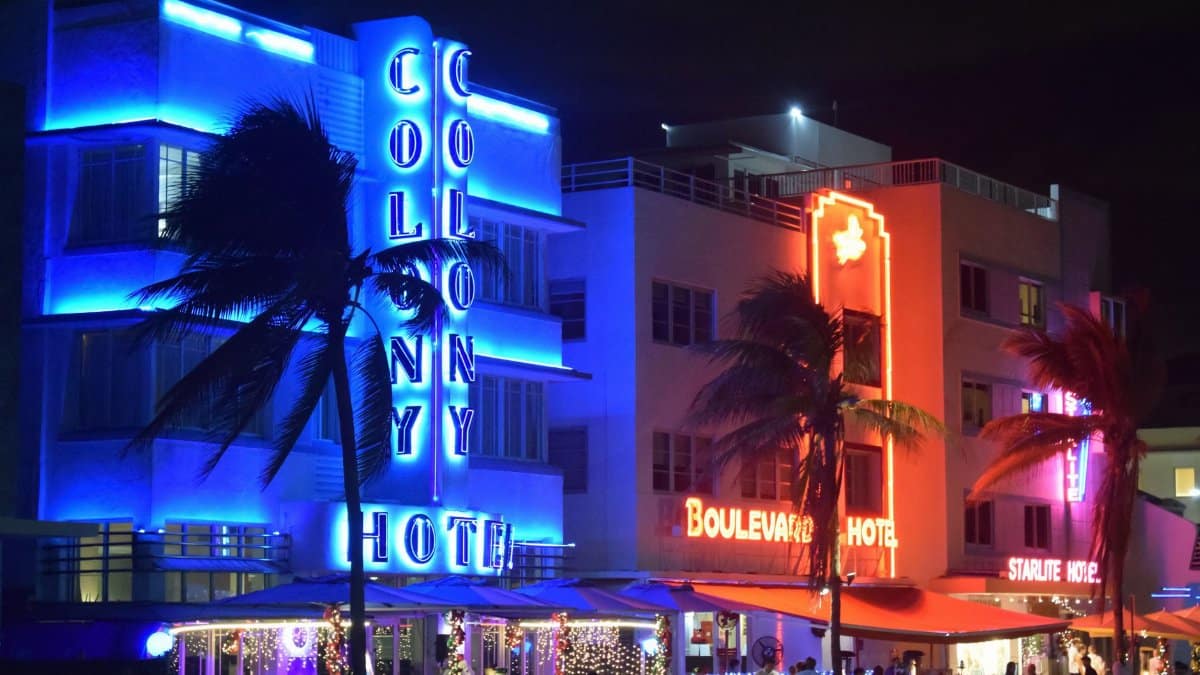
In the nineteen twenties, when Miami Beach was still emerging as a resort destination, the stretch now known as Collins Avenue featured large estates and small lodging establishments rather than the towering structures seen today. Exploring Collins Avenue history reveals a path from quiet coastal estates to a bustling urban corridor shaped by waves of investment and innovation.
The First Structures Along the Coast
Early builders chose sites near the ocean for their accessibility by boat and their appeal to visitors seeking sun and sea air. These initial homes often included wide porches and simple frames suited to the climate. Over time some owners added guest rooms to accommodate friends and paying travelers. Records from that era describe a landscape of sandy paths and scattered palms rather than paved roads or dense building clusters.
Shift Toward Public Lodging
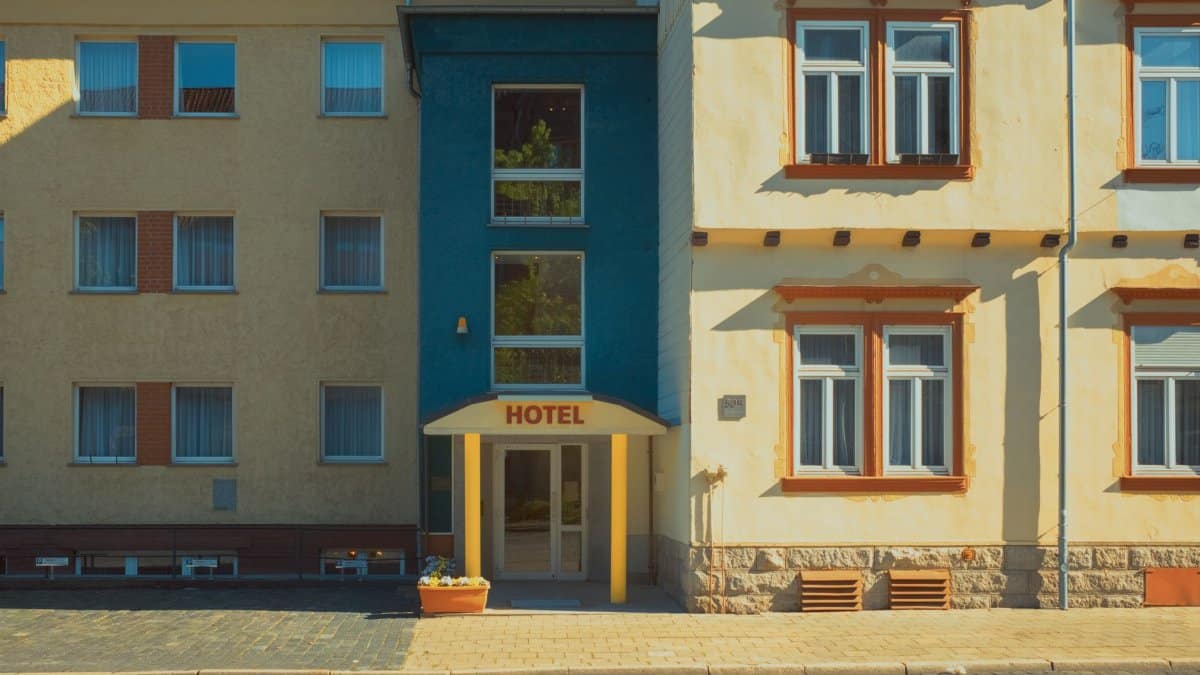
By the nineteen thirties demand grew for places where tourists could stay without owning property. Small hotels appeared with names reflecting local features or owner backgrounds. These buildings stood two or three stories high and offered basic comforts like ceiling fans and shared dining areas. Collins Avenue history shows this period as a bridge between private estates and commercial growth as more visitors arrived by train and later by car.
Postwar Expansion Patterns

After the second world war construction accelerated with new materials and designs that favored height and ocean views. Developers replaced some older homes with mid rise apartments and hotels that drew seasonal residents from northern cities. The avenue gained a steadier flow of traffic as shops and services followed the new arrivals. This era marked a clear turn toward density that would define later decades.
Role of Key Visionaries

Certain individuals purchased large parcels and promoted the area through advertisements and personal networks. Their efforts helped establish Collins Avenue as a recognized address for leisure and investment. Partnerships with architects brought distinctive facades and layouts that set standards for future projects. These figures often balanced preservation of natural dunes with the push for modern amenities.
Impact of Natural Events

Hurricanes tested the resilience of early buildings and prompted stricter codes for wind resistance and elevation. After major storms some owners rebuilt with stronger foundations while others sold to larger firms. Collins Avenue history includes these disruptions as moments that reshaped ownership patterns and encouraged more durable construction techniques.
Modern Tower Era Begins

In later years high rise condos and resorts lined the avenue offering pools spas and private beaches to residents and guests. This phase brought international buyers and year round activity that contrasted with the seasonal rhythm of earlier times. Infrastructure updates such as wider sidewalks and underground utilities supported the increased population.
Preservation Efforts Today

Community groups now work to document remaining historic structures and advocate for design guidelines that respect the avenue’s past. Walking tours and photo archives help residents and visitors understand how Collins Avenue history connects to broader changes in South Florida. These initiatives aim to balance growth with memory of the original character.
Future Outlook for the Corridor

Planners consider sea level concerns and traffic management as they review new proposals. Public input sessions allow neighbors to shape guidelines that honor both economic vitality and the avenue’s layered past. Continued interest in Collins Avenue history suggests residents value the story behind the skyline they see each day.