
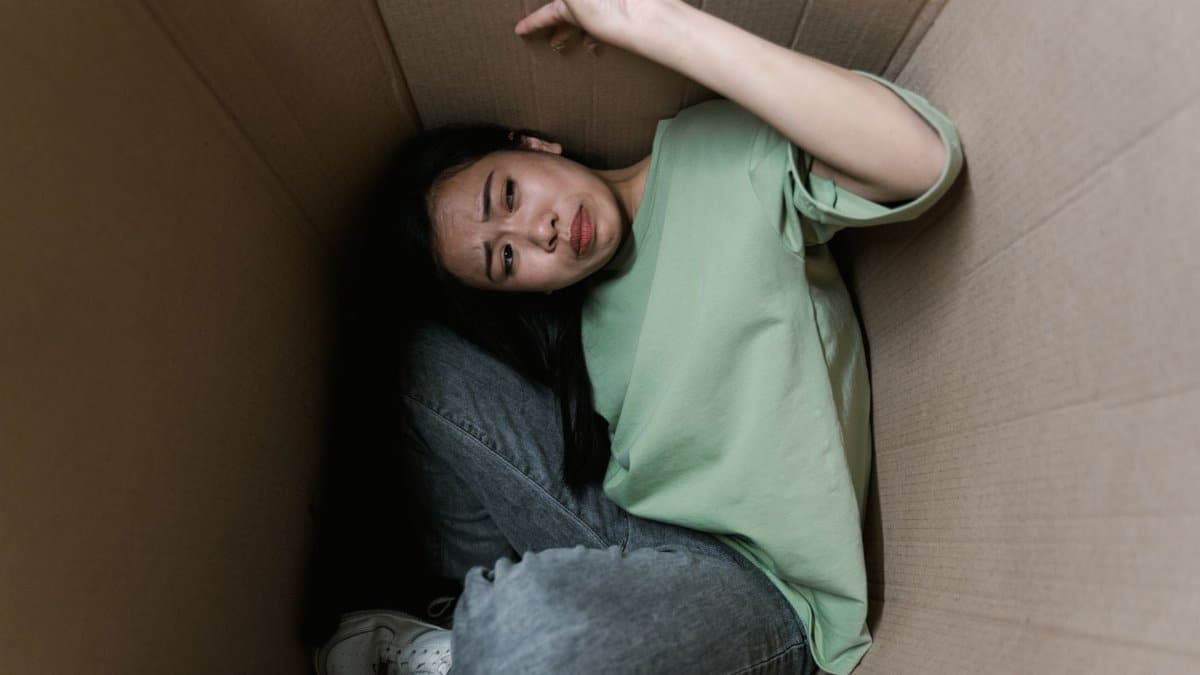
In the rhythm of everyday routines, adults often carry unseen pressures that surface through tiny physical shifts long before words capture the strain. These fleeting actions, sometimes overlooked in busy offices or family kitchens, point to rising unease in ways that merit closer attention. Understanding Micromovements Anxiety Signs helps readers notice patterns that might otherwise pass without remark, offering a window into mental states that build gradually across hours or days.
Foot Shifts During Seated Conversations
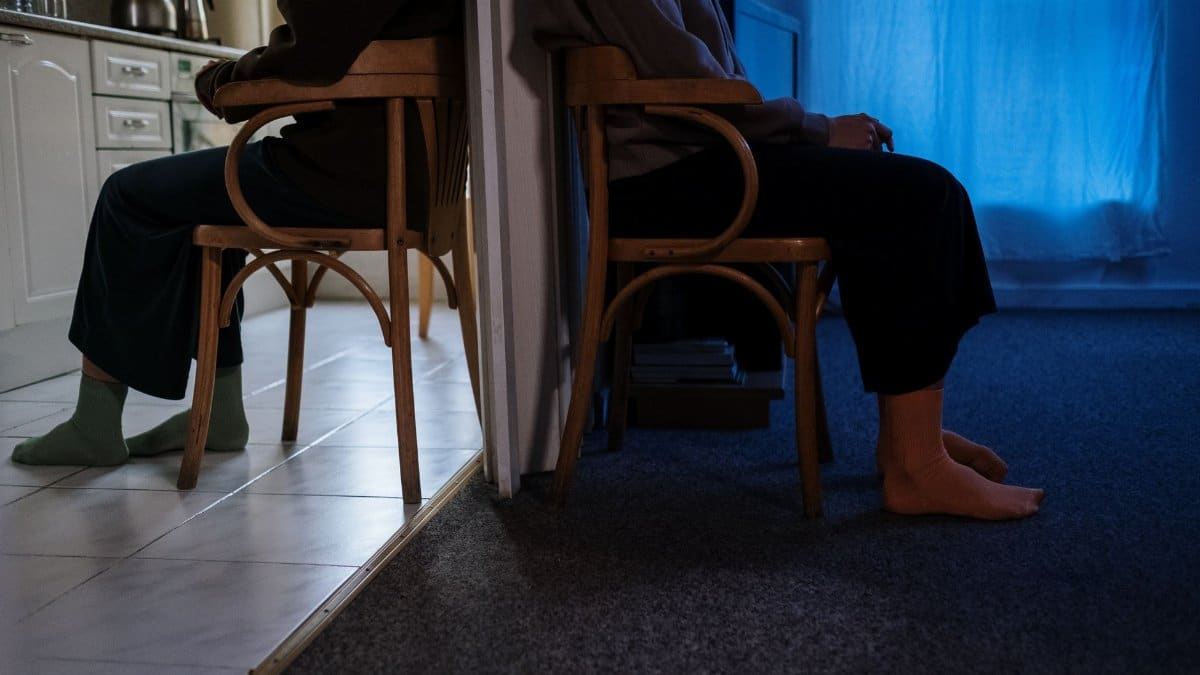
Adults seated in meetings frequently adjust their feet in small ways that signal mounting discomfort. A slight slide forward or backward, repeated without conscious intent, disrupts the stillness expected in focused discussions. Observers may sense the person is eager to conclude the exchange even if the spoken tone remains steady. Such motions accumulate over time and reflect an internal push to escape perceived pressure.
Finger Drumming on Surfaces
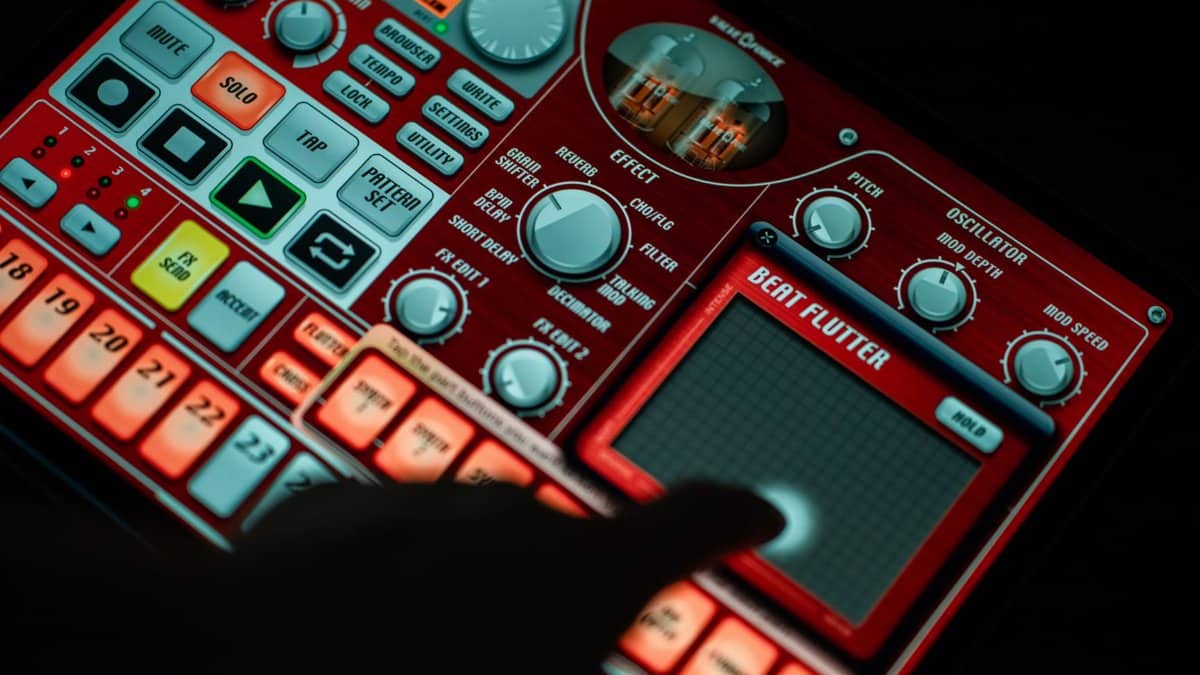
Tables, armrests and keyboards become outlets for rhythmic tapping that emerges when thoughts race ahead of the present moment. The pattern tends to quicken as the individual processes multiple concerns at once. Colleagues nearby might register the sound as mere habit, yet the consistency reveals a mind working to manage excess stimulation. Over repeated instances this habit becomes a reliable marker worth noting in professional settings.
Lip Pressing and Release Cycles
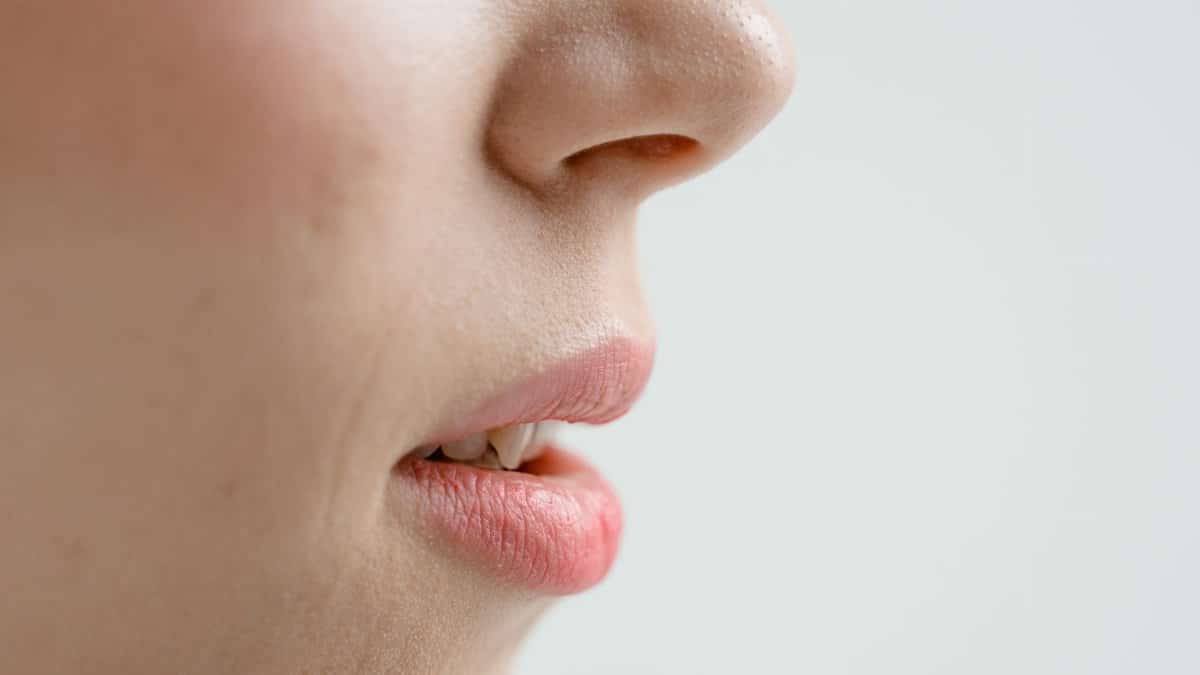
The mouth area often betrays tension through brief compressions followed by subtle relaxations. These cycles occur during pauses in speech or while listening to challenging information. The action draws minimal notice yet aligns with efforts to contain spoken reactions. In social gatherings the pattern can indicate a desire to maintain composure amid growing internal agitation.
Shoulder Elevation in Routine Tasks
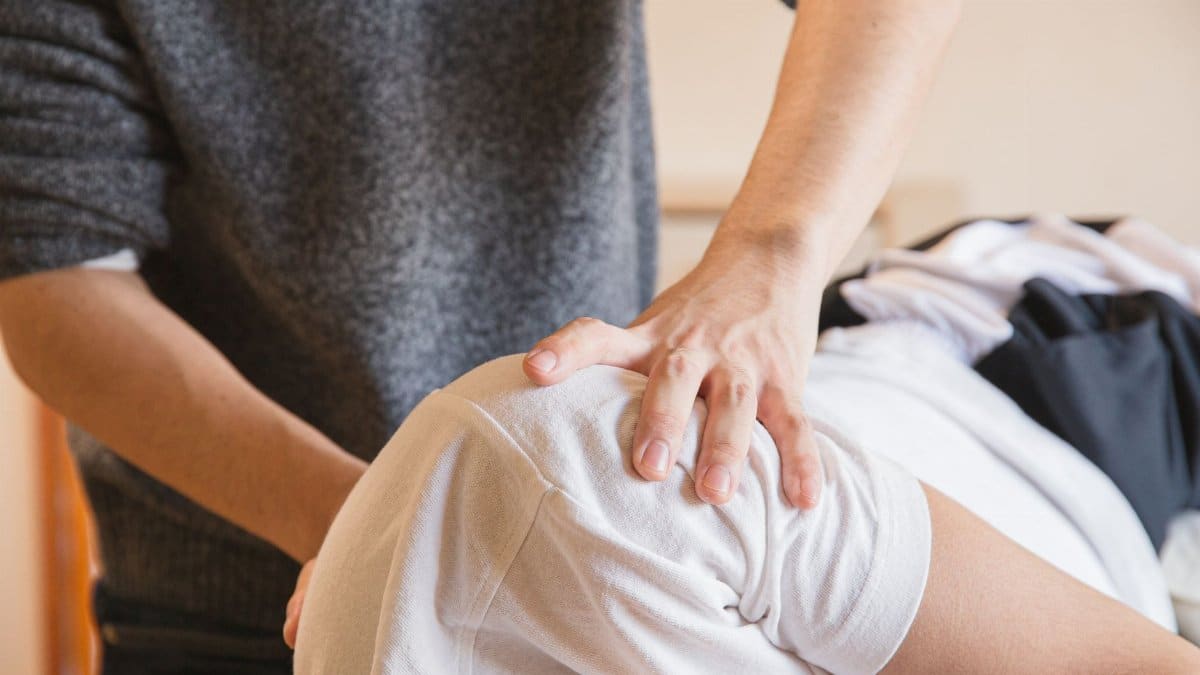
Shoulders that inch upward while typing or reviewing documents suggest an attempt to brace against stress. The elevation holds for seconds before a partial drop, only to repeat moments later. Family members may observe this during evening work sessions at home. The motion serves as a physical counterpart to mental vigilance that refuses to ease.
Eye Blink Rate Increases
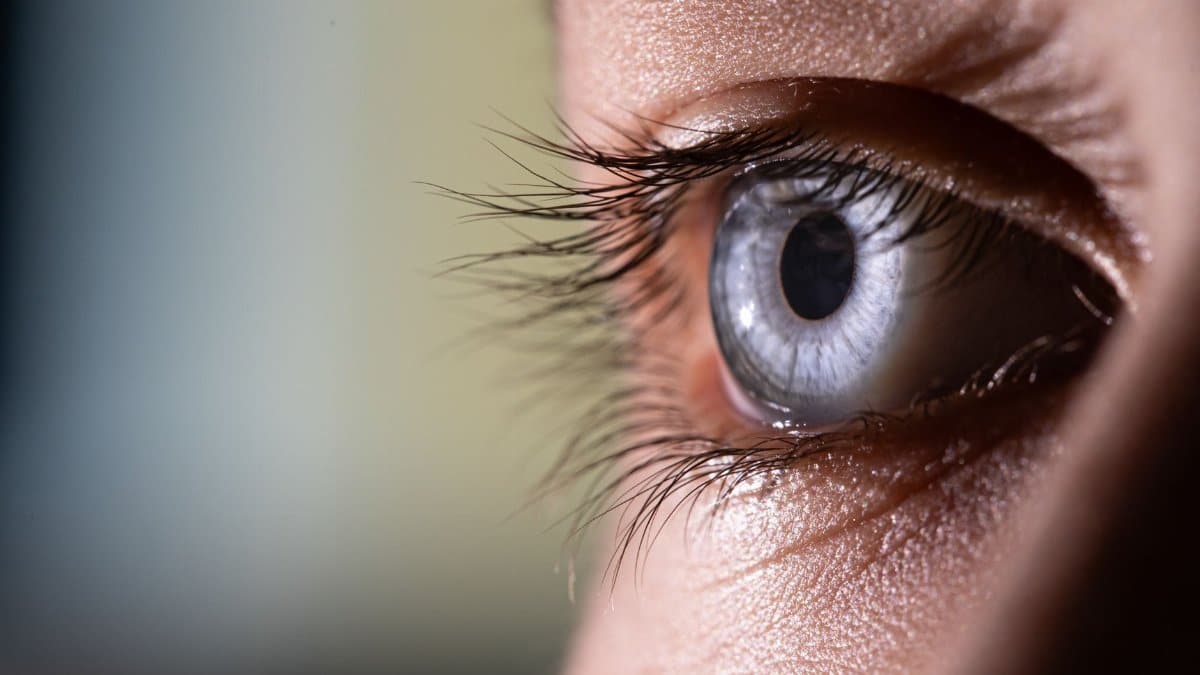
Rapid blinking appears when visual focus meets competing internal narratives. The eyes dart or close briefly in succession, interrupting steady gaze during reading or screen time. This adjustment protects against overstimulation yet also signals the brain redirecting energy toward threat assessment. Quiet environments make the change more apparent to attentive companions.
Neck Rolls in Transitional Moments
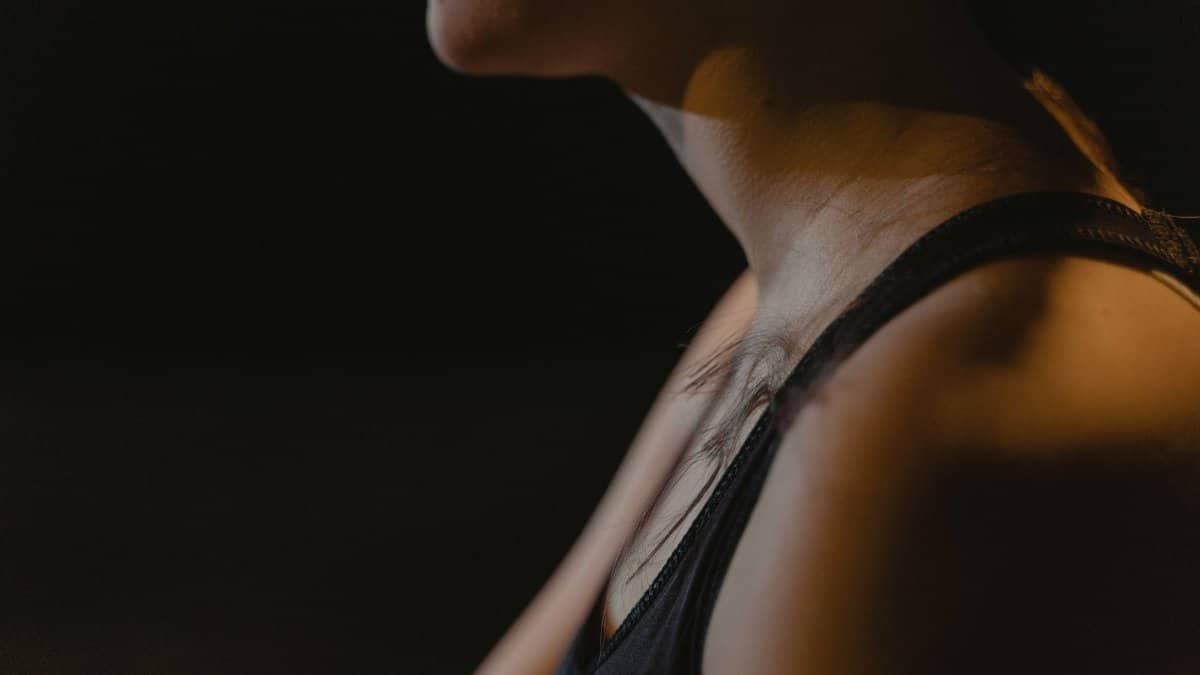
Transitions between activities prompt small rolls or tilts of the head that stretch tight muscles. The movement surfaces while switching tasks or preparing to speak in groups. It functions as an unconscious reset that temporarily eases accumulated strain. Repeated rolls throughout an afternoon illustrate sustained vigilance rather than simple stiffness.
Hand Clasping Variations

Fingers interlock and readjust in laps or on desks when individuals seek a sense of control. The grip tightens during moments of uncertainty and loosens when external demands lessen. Such variations remain largely hidden yet follow predictable timing tied to conversational stress points. Awareness of this tendency aids those who interact daily with the same colleagues.
Leg Crossing Adjustments
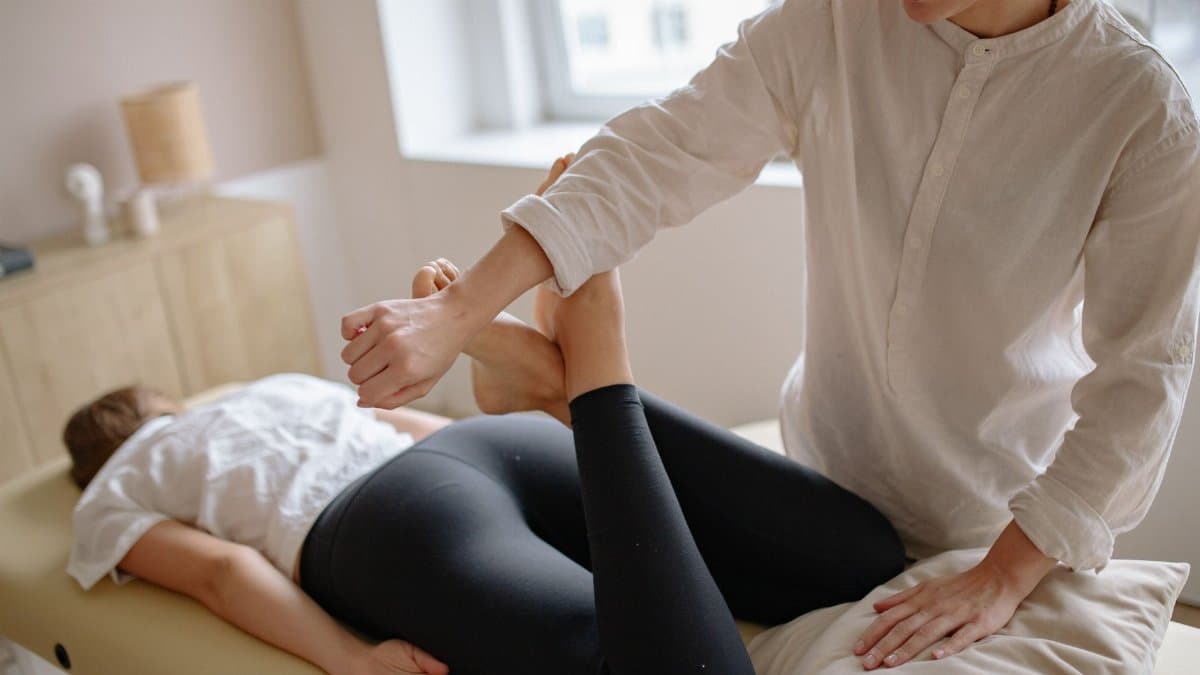
Seated adults frequently switch the position of crossed legs as discomfort builds. The change occurs without verbal acknowledgment and restores a fleeting sense of stability. In waiting rooms or conference tables the motion repeats at intervals that correspond with rising mental load. Observers who track these switches gain insight into unspoken states.
Jaw Tension Releases
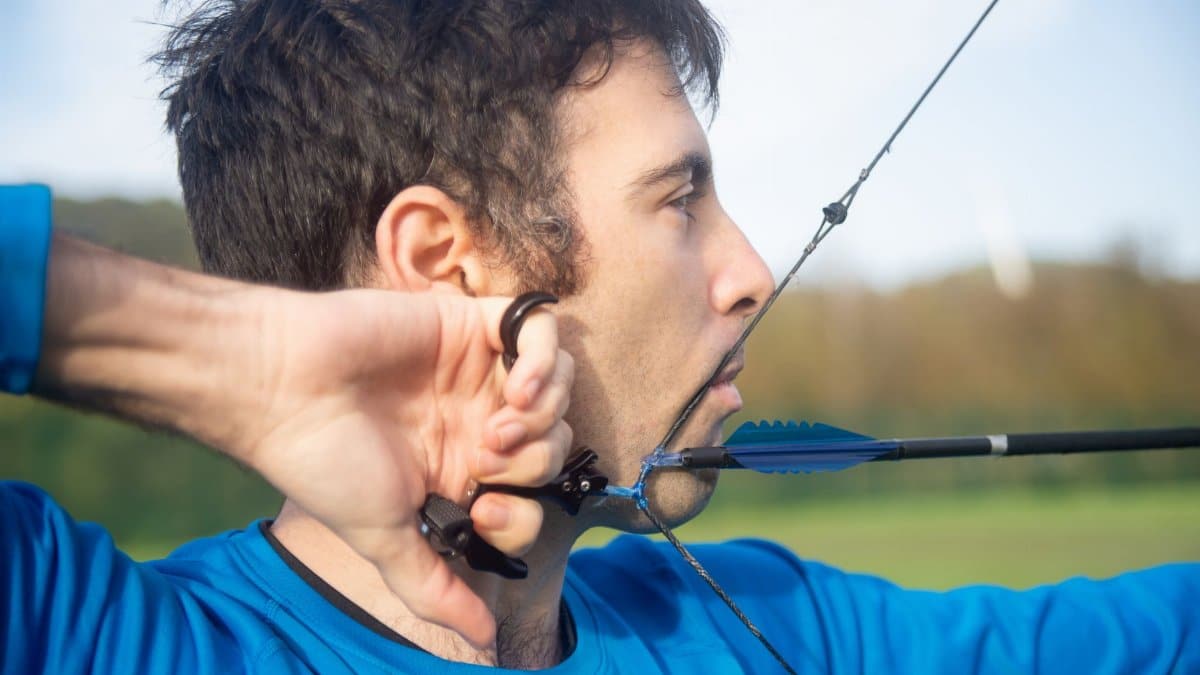
The lower face exhibits minor openings and closings of the mouth that relieve pressure held in the jaw. These releases appear during concentration or after difficult exchanges. Though subtle, they follow a rhythm that matches periods of heightened alertness. Dental professionals sometimes note related wear that traces back to daytime rather than nighttime habits alone.
Posture Micro Adjustments
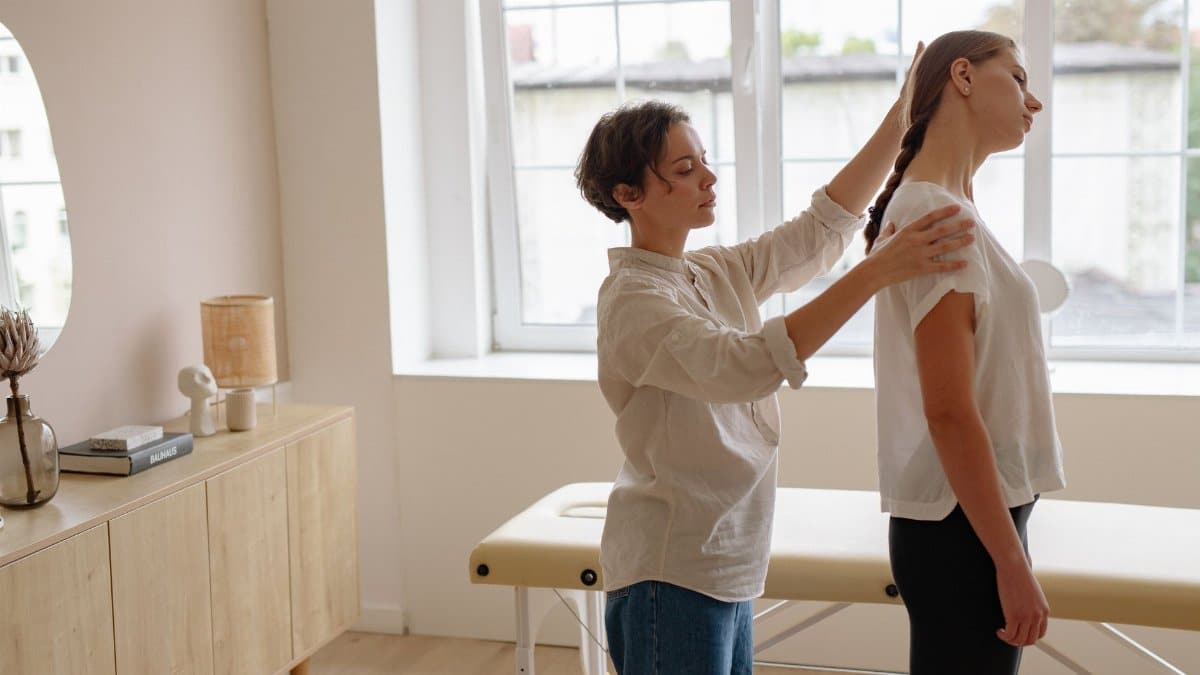
Spines shift forward or backward in chairs by degrees too small to register as full repositioning. The body seeks momentary relief from sustained alignment while the mind remains occupied. Over long workdays these adjustments multiply and correlate with reported fatigue at day’s end. Recognition of the pattern supports earlier interventions through movement or breathing awareness.