

On the Tuesday night before Thanksgiving, backpacks sit by front doors and never quite make it to the bus stop. Kitchens smell like onions and celery. Parents refresh flight apps and argue, gently, about whether Wednesday still counts as a school day. Across Massachusetts, Thanksgiving school absences have become as predictable as the parade, a quiet ritual that empties classrooms while the rest of the week still appears on the calendar.
A half empty Wednesday that everyone expects

Ask a principal in Boston or a small town west of Worcester and you will hear the same story. The Monday and Tuesday before the holiday still look like school. Wednesday does not. Hallways echo. Substitute plans sit unused because there is no one left to teach. Families have already left for grandparents, airports, or a quieter kitchen. The absence is not a surprise. It is a tradition with a permission slip that nobody signed.
Last year, one in four Boston students was out the day before Thanksgiving. That single figure explains why superintendents now treat the week as a test of whether attendance rules mean anything once gravy is on the stove. The day is still instructional on paper. In practice it has become a soft start to a long weekend.
What the Boston count actually captures

The one in four figure is not a rumor passed around faculty lounges. District attendance rolls recorded it, and similar spikes showed up in suburbs and gateway cities. Some buildings lost closer to a third of their students. Others held more of the room because families had nowhere to travel and no extra day off from work. The pattern is uneven, which is part of why it is hard to police. A citywide average hides a school where almost everyone stayed and a school where the teacher faced six children and a pile of unused worksheets.
State education officials have spent the years since the pandemic warning that missing school, even for reasons that feel harmless, adds up. Chronic absenteeism, often defined as missing ten percent of the year, remains higher than it was before classrooms shut down. A Wednesday in November does not create that problem by itself. It reveals how casual the habit of staying home has become.
Families who see a wasted day, not a skipped one

Parents describe the choice without much guilt. If half the class will be gone, they say, what is the point of sending one child into a movie and a word search? Travel is expensive when you leave on Wednesday night instead of Wednesday morning. Grandparents do not live next door. A turkey does not brine itself. For hourly workers, the school calendar and the job calendar rarely match, so the day before a holiday is sometimes the only window to drive six hours and still sit down on Thursday.
That logic is human. It is also contagious. Once enough families opt out, the day really does become thin, and the next family has a better excuse. Teachers call it a self fulfilling absence. District leaders call it a culture problem dressed up as logistics.
Chronic absence is a different wound

There is a risk in treating every empty seat the same way. A child who misses the day before Thanksgiving and otherwise shows up is not in the same situation as a child who has already missed three weeks by November. Attendance Works, a national group that tracks this issue, has long argued that schools should separate excused holiday travel from the patterns that predict falling grades and dropping out. Their public guidance lives at attendanceworks.org.
Massachusetts publishes district attendance summaries through the Department of Elementary and Secondary Education, available at doe.mass.edu. Those reports matter because they show absence as a year long story, not a single Wednesday. Still, holiday spikes are not harmless noise. For students already on the edge, one more day is not symbolic. It is another lesson they will be expected to know on Monday.
How districts try to hold the line

Some Massachusetts systems have tried carrots. Perfect attendance certificates, classroom parties, and public tallies on the office wall. Others have tried clarity. Letters home in early November stating that Wednesday is a full day, that work will be taught, and that absences will be marked unexcused unless a doctor says otherwise. A few have floated the nuclear option in school committee meetings: just close.
Closing sounds like surrender, and many boards refuse it on principle. If you cancel because people might not come, you teach families that the calendar is a suggestion. Keeping the doors open and then teaching to a skeleton crew teaches a different lesson, one about wasted payroll and teachers who feel foolish standing at a smart board for eight students. Neither choice feels clean. That is why the argument returns every fall.
The classroom that cannot run a real lesson

Teachers are blunt about what Wednesday becomes. Group projects stall. Science labs that need partners get postponed. A novel discussion dies when the students who did the reading are on a highway. New material is a gamble, so many educators retreat to review, films, or quiet reading. Students who did come notice. They tell their parents the day was pointless, and the parents remember that next year.
The professional insult is real. A middle school English teacher in a Boston neighborhood school described planning a full lesson on gratitude letters, then watching the class shrink until the activity felt like a private tutoring session. She did not blame the children. She blamed a system that asks her to pretend a holiday week is an ordinary week and then judges her pacing when it is not.
Travel, kinship, and the pull of the table
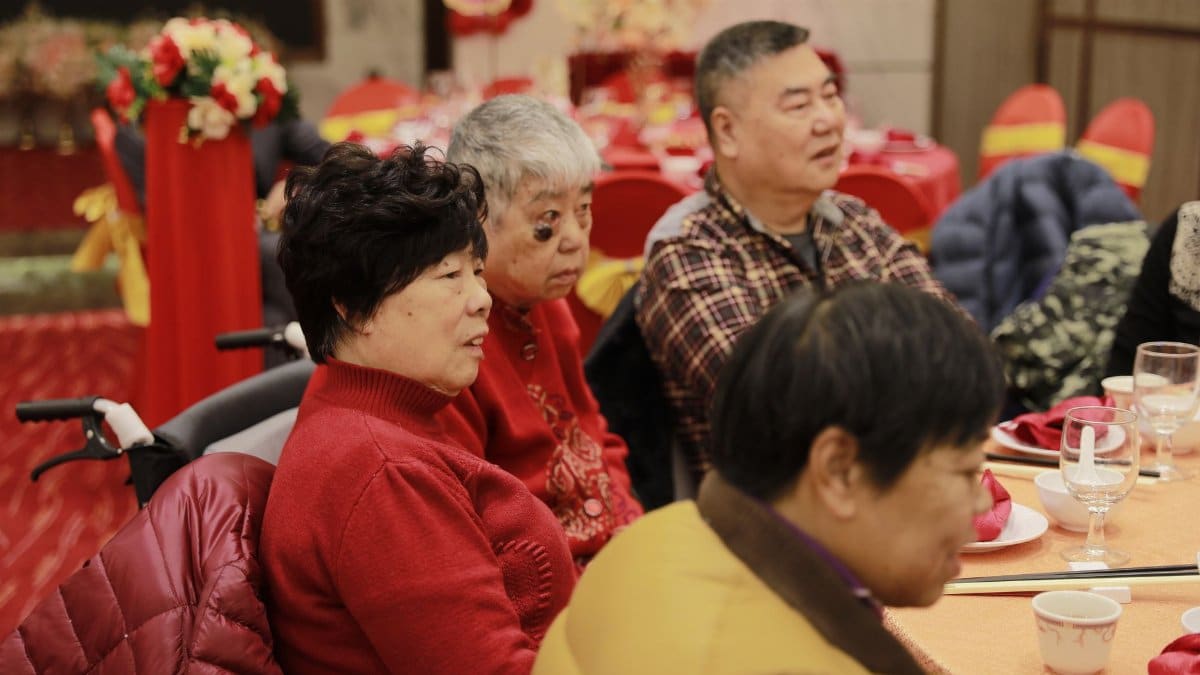
Thanksgiving is one of the few American rituals that still reorganizes the map. College students come home. Cousins fly in from places without a November break. For immigrant families, the holiday can be less about Pilgrim stories and more about the rare chance to gather everyone who made it here. Skipping school on Wednesday is, for some households, an act of loyalty to people they do not see enough.
Schools are not heartless for wanting those children in seats. They are also not the only institution with a claim on the week. The tension sits between a public promise, that every instructional day counts, and a private promise, that family comes first when the table is set once a year. Most absences in this season are not defiance. They are a ranking of obligations.
What gets lost that a grade book misses

The cost is easy to understate because Wednesday rarely holds a unit test. Missing it does not always drop a quarter grade. What it drops is continuity. A child who leaves early misses the transition into a break and the transition back. Monday after Thanksgiving is already ragged. Students who were gone Wednesday need a recap of a recap. Teachers lose a day they had counted on for conferences, makeup work, or simply finishing a unit before two weeks of disrupted rhythm.
There is also a fairness problem. Families with flexible jobs and paid travel can treat the school calendar as elastic. Families who cannot leave, and students who rely on school for meals, structure, and a warm building, sit in half empty rooms and absorb the message that the day was optional for everyone else. Chronic absenteeism campaigns talk about equity for a reason. Optional days are never equally optional.
Ideas other places have tested

Some districts outside Massachusetts have stopped fighting the culture and rebuilt the week. They hold school Monday and Tuesday, then close Wednesday so the long weekend is official. Attendance on the days that remain goes up because families no longer have to choose. Critics say that rewards the skip and shortens learning time in a state already worried about recovery. Supporters say an honest calendar beats a fictional one.
Other systems schedule something on Wednesday that families hate to miss: a concert, a showcase, a community meal cooked by students. The tactic works only if it is real, not a bribe announced on Monday. A few charters have tied the day to required conferences, so an absence becomes a missed meeting with an adult, not just a missed worksheet. None of these fixes is magic. All of them admit that shame and robocalls are weak tools against a holiday.
A calendar at war with a custom

The deeper issue is design. School years are built from required hours and testing windows, then draped over a culture that already decided November’s last week belongs to kitchens and highways. When the official schedule and the lived schedule diverge, people follow the lived one. Thanksgiving school absences are what that divergence looks like in the attendance software.
Massachusetts leaders who care about chronic absenteeism are right to watch the spike. They are also right to avoid pretending that a turkey week absence is the same as a child missing every Friday. The useful move is precision. Mark the day honestly. Teach something that matters if you keep it. Or close it and protect the days on either side. What does not work is outrage that returns every November and changes nothing by December.
Gratitude that includes the schoolhouse
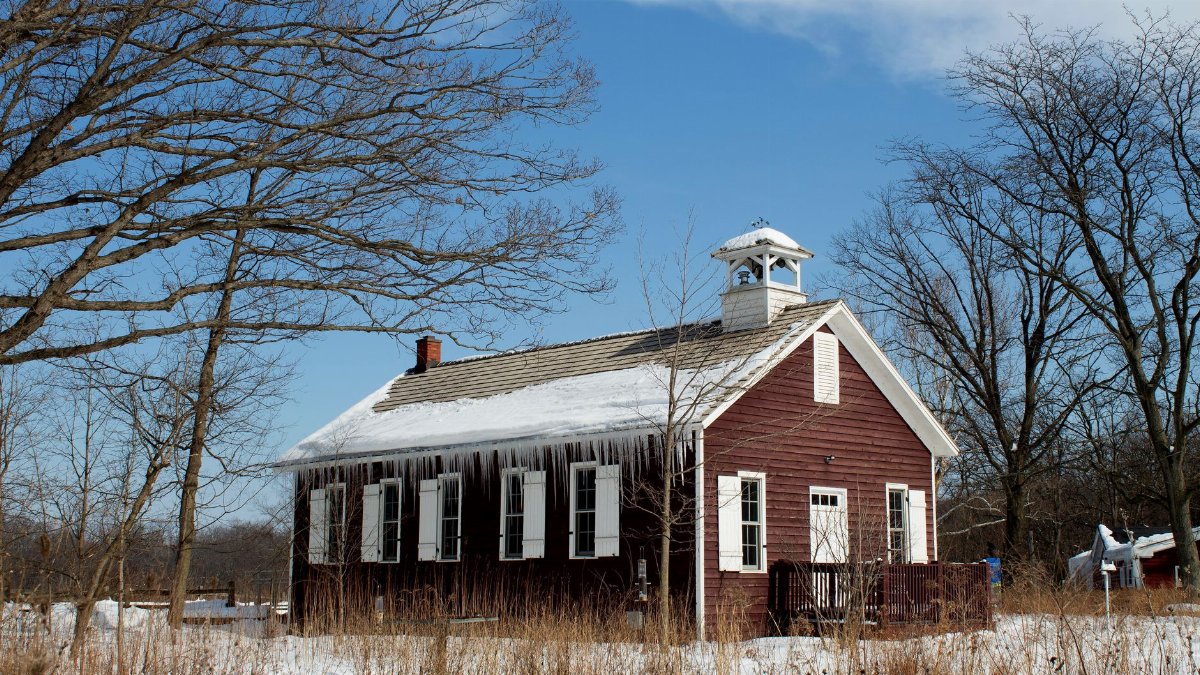
There is a modest moral claim buried in the attendance debate, and it does not require a sermon. Gathering matters. So does the ordinary Tuesday and the ordinary Wednesday where a child is expected, fed, and taught. Gratitude for family does not have to mean treating the public classroom as a waiting room for vacation. A tradition of leaving early can stay a tradition. It can also be named for what it is: a choice with a cost, borne mostly by the students who can least afford another gap.
Next week the buildings will fill again, more or less. The parade will be over. The question for Massachusetts schools is whether Thanksgiving school absences remain a wink and a wave, or whether the week before the feast finally gets a calendar that tells the truth. Until then, the backpacks will wait by the door, and a lot of them will still be there on Wednesday morning.