
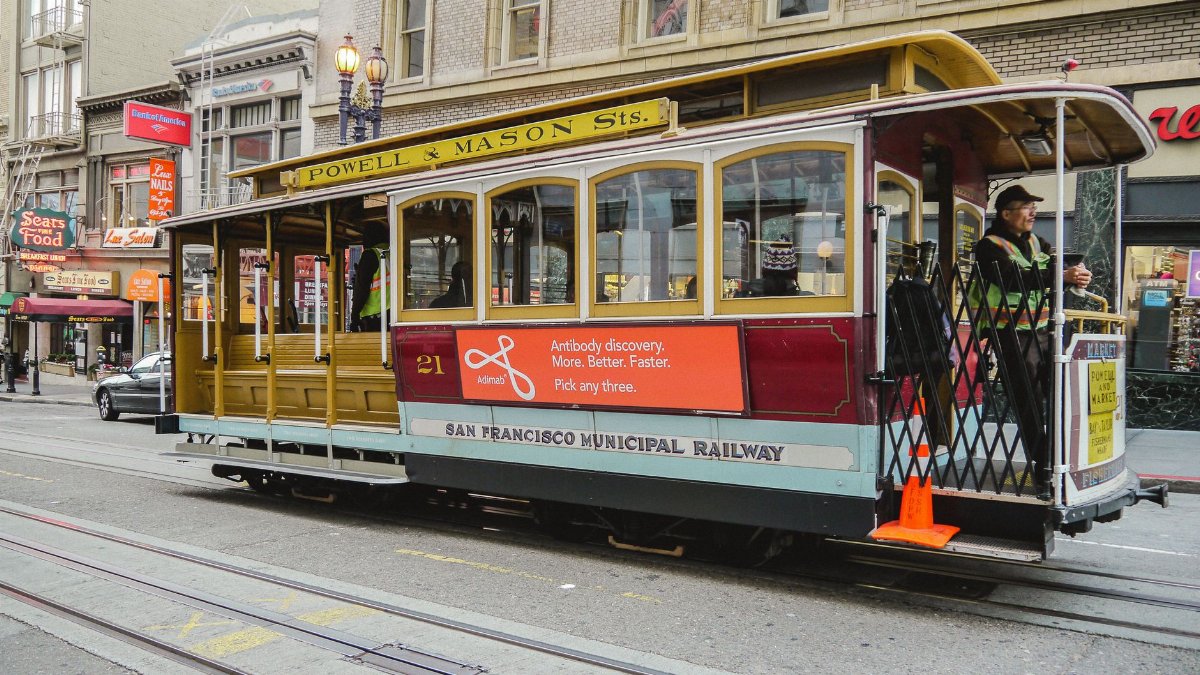
For years the Bay Area stood out as a place where professionals in tech and finance often left their cars behind. That pattern helped define Bay Area Public Transit Wealthy Riders Demographics in national discussions about urban mobility. Recent figures indicate the trend has reversed sharply since offices reopened on a limited basis.
Shifts in commuter patterns after 2020

Records from major operators show a steep drop in riders from households earning above 150000 dollars a year. Agencies tracked this group through fare cards and surveys that link payment methods to income brackets. The decline exceeds the overall fall in ridership and points to lasting changes in daily travel choices.
Role of remote work in reduced usage

Many employees who once boarded trains several times a week now appear at stations only once or twice. Companies in San Francisco and San Jose extended hybrid schedules that cut commuting days by half or more. Transit planners note that this adjustment hits higher income riders hardest because they hold jobs most compatible with home based work.
Agency specific data from BART and Caltrain
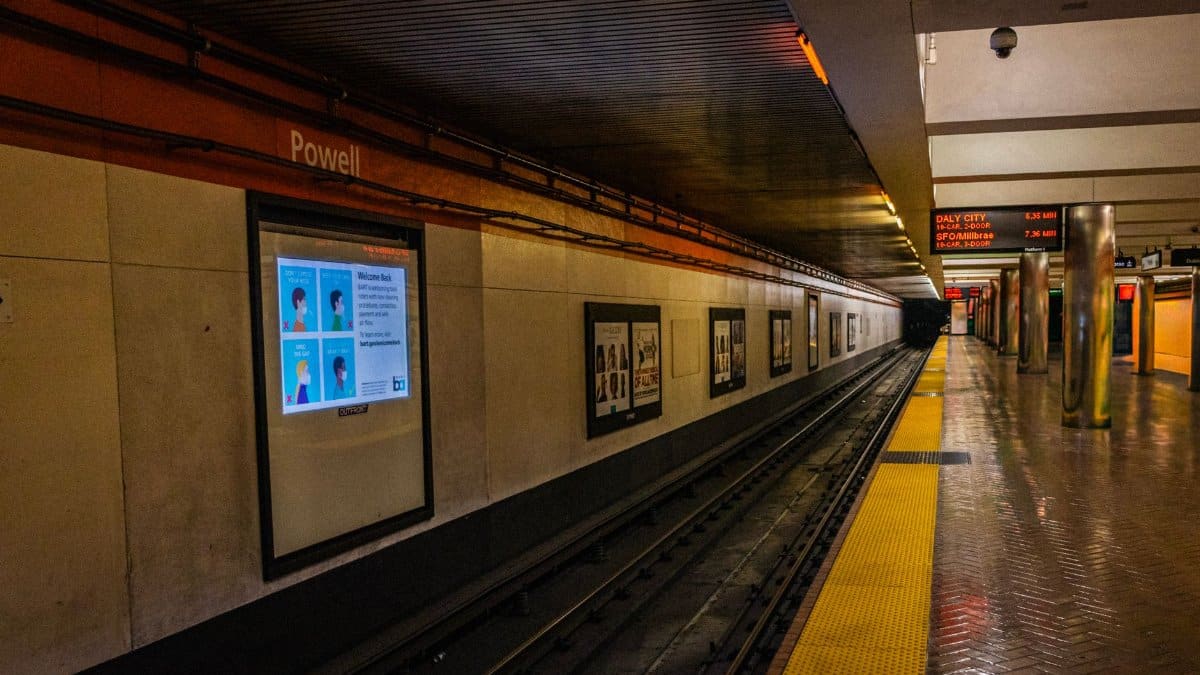
BART reports that passengers using high value ticket products fell by nearly 40 percent compared with 2019 levels. Caltrain observed a similar pattern on its express routes that previously attracted corporate commuters from the Peninsula. Both systems now rely more on riders from moderate income neighborhoods who lack other transport options.
Muni trends in San Francisco proper
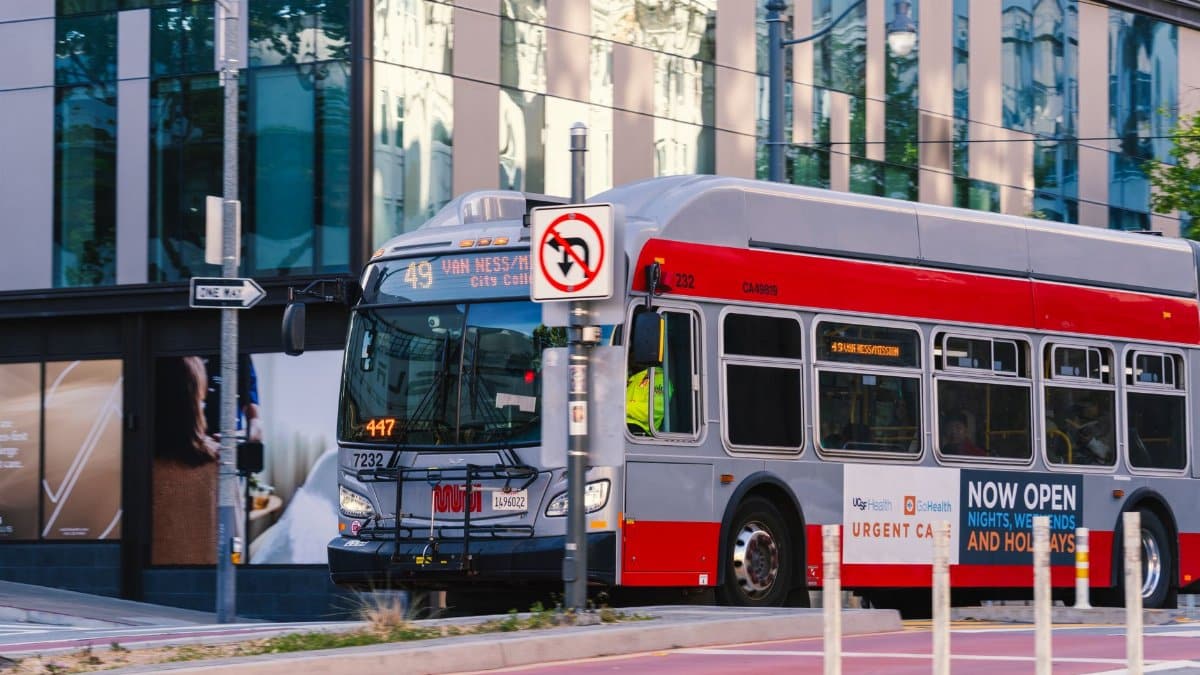
Within city limits the municipal railway saw its share of affluent users shrink even on lines serving downtown towers. Officials attribute part of the change to greater parking availability and expanded bike lanes that appeal to shorter trips. Neighborhood level analysis reveals wealthier districts registered the largest percentage drops.
Income brackets and fare payment methods

Clipped ticket data and app based purchases provide indirect measures of rider income. Wealthier users historically favored monthly passes and contactless credit options. Current volumes for those products remain well below pre pandemic marks while pay per ride transactions from lower brackets recovered faster.
Effects on system revenue and service planning
Reduced participation from higher paying customers narrows operating budgets already strained by lower total ridership. Planners must weigh whether to maintain frequent service on routes that once carried executives or shift resources toward core urban corridors. Some proposals include targeted promotions aimed at lapsed riders though early trials show limited uptake.
Comparisons with national transit recovery
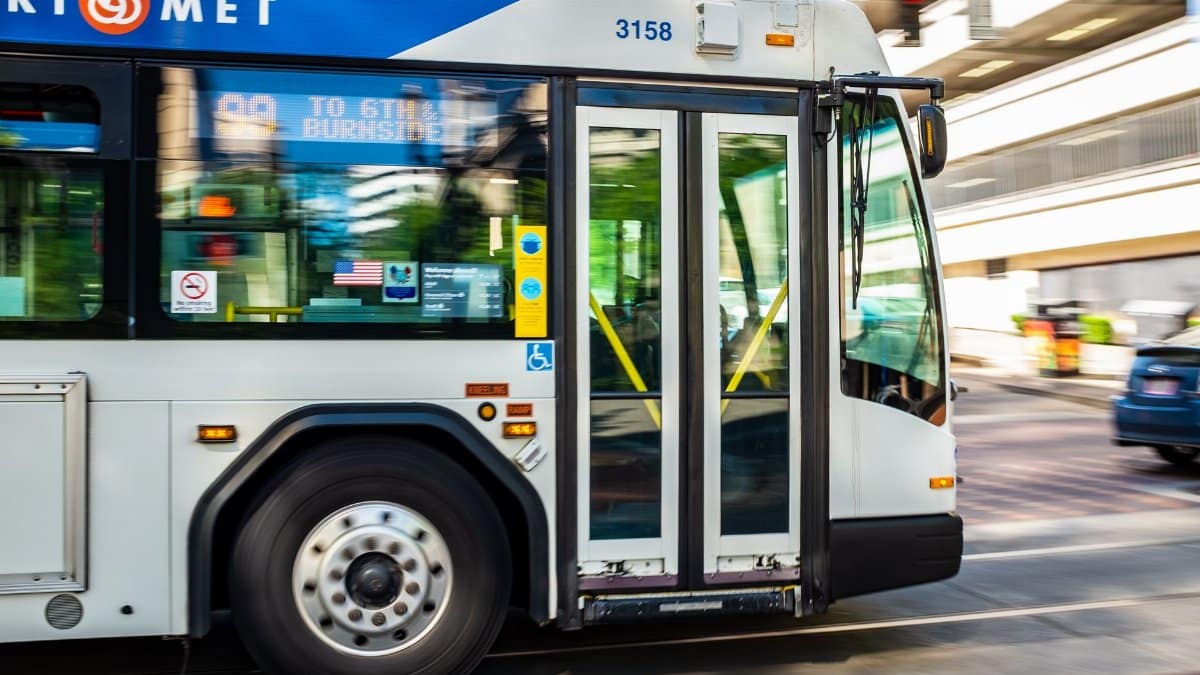
Other large metro areas report steadier returns among professional classes. Cities with stronger office attendance mandates or fewer competing highway lanes have retained more of their pre 2020 affluent ridership. The Bay Area divergence suggests local factors such as housing costs and flexible work norms play an outsized role.
Outlook for future demographic balance
Long term forecasts depend on whether companies tighten return to office rules or expand satellite workplaces. Transit leaders continue to monitor monthly surveys that track rider income and trip purpose. Without renewed interest from higher income groups the system risks becoming viewed primarily as a service for those without alternatives rather than a broad regional asset.