
In South Florida the daily rhythm of life depends on many hands that often go unnoticed until they are gone. Haitian immigrants have filled critical roles across the region for years. The potential loss of protections under temporary status programs brings the Haitian TPS impact into sharp focus for residents and leaders alike. Families rely on these workers in hospitals, restaurants and creative spaces where their skills sustain both the economy and the social fabric. As debates over immigration policy intensify, the consequences of removing long standing safeguards become clearer in communities that have come to depend on steady contributions from this group. The discussion now centers on what changes when such presence fades from the local scene.
Healthcare Systems Face Staffing Shortages

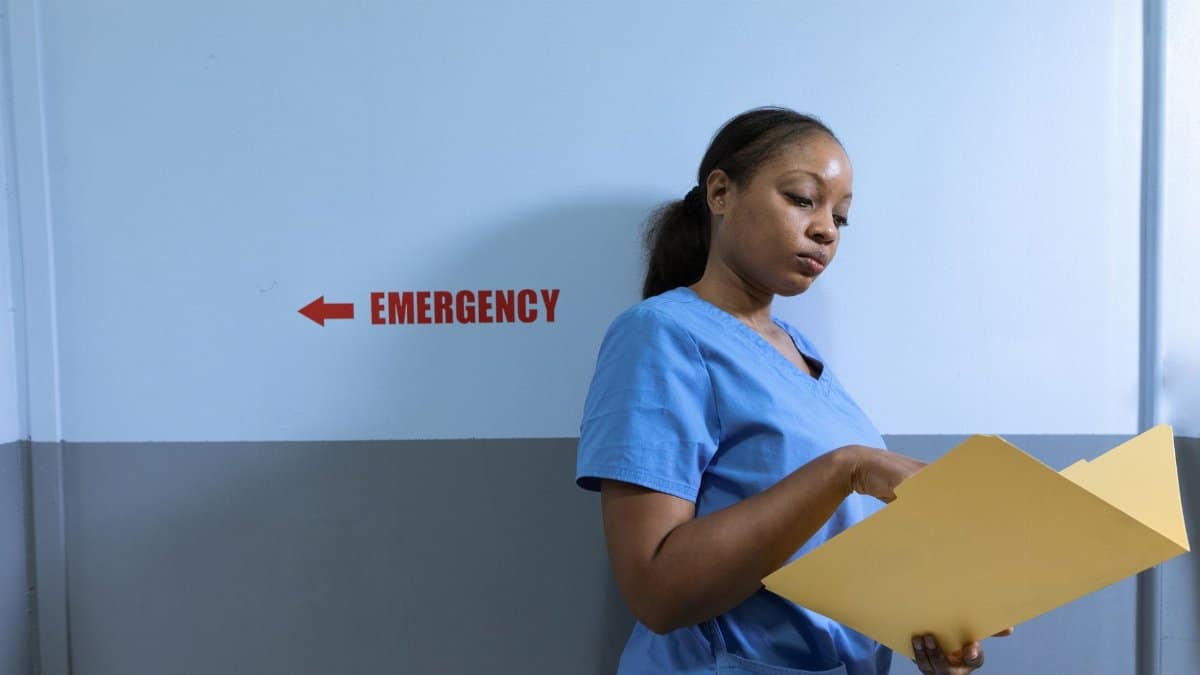
Hospitals in Miami and surrounding areas count on Haitian nurses and aides to maintain round the clock care. These professionals handle demanding shifts in emergency rooms and long term care facilities where language skills and cultural understanding improve patient outcomes. Removing status protections would disrupt teams already stretched thin by rising demand. Administrators note that recruitment from abroad takes time and training resources that local systems can ill afford to lose at present. The result could mean longer wait times and reduced services for all residents who use these medical centers.
Culinary Traditions Enrich Local Dining
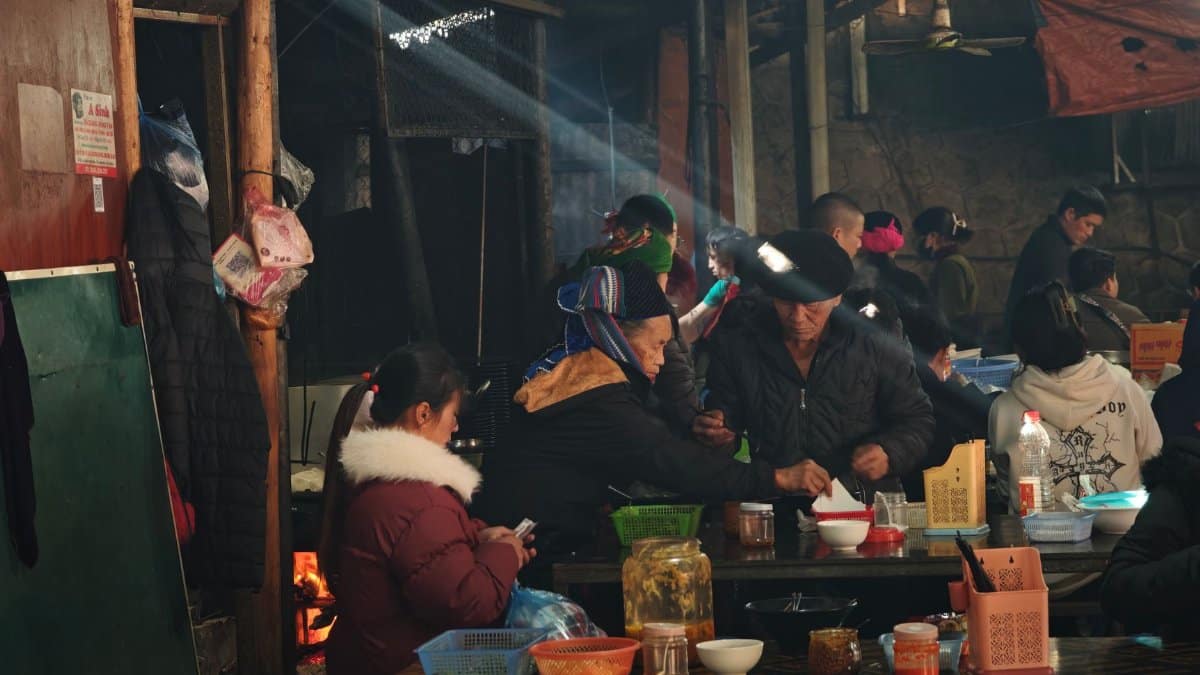
Chefs and kitchen staff from Haiti shape menus in both high end establishments and neighborhood eateries throughout South Florida. Their techniques bring distinct flavors that attract diners from varied backgrounds and support a vibrant food economy. Many such workers arrived under temporary protections and built careers that now employ others in turn. An abrupt end to those safeguards would leave kitchens understaffed and force owners to scramble for replacements during peak seasons. This shift would alter the dining landscape that draws tourists and locals each week.
Artistic Voices Strengthen Cultural Life

Painters, musicians and performers of Haitian origin add depth to galleries, festivals and stages across the region. Their work reflects histories of resilience and connects audiences to broader narratives that might otherwise remain distant. Grants and exhibition opportunities often depend on stable residency status that allows planning beyond immediate survival. Without it, creative output slows as individuals focus on uncertain futures rather than new projects. Communities lose access to events that foster dialogue and shared appreciation.
Economic Contributions Span Multiple Sectors

Beyond specific professions, Haitian TPS impact registers in tax revenues, small business formation and consumer spending that circulate through local markets. Workers in construction, transportation and retail sustain supply chains that benefit larger enterprises. Data from regional chambers of commerce show consistent participation that offsets labor gaps in growing industries. Policy changes that remove these participants would require rapid adjustments whose costs fall on employers and customers alike.
Community Networks Provide Essential Support

Churches, mutual aid groups and educational programs organized by Haitian residents fill gaps left by formal institutions. These networks assist with language classes, job placement and family services that ease integration for newer arrivals. Stability from temporary protections allows leaders to invest time in such efforts rather than navigating repeated legal hurdles. Disruption here would ripple outward to affect not only one group but neighbors who rely on the same services during crises.
Legal Framework Shapes Future Options

Temporary Protected Status operates under federal guidelines that require periodic review based on conditions in the home country. Advocates argue that ongoing challenges in Haiti warrant extensions while critics question the duration of such measures. Court rulings and administrative decisions determine whether renewals continue or end. The process involves documentation that demands resources from both applicants and government offices already managing heavy caseloads.
Regional Comparisons Reveal Broader Patterns

Other states with sizable Haitian populations encounter similar questions about workforce stability when status reviews occur. Florida stands out due to its concentration of arrivals and established enclaves that amplify both contributions and concerns. Lessons from prior adjustments in comparable areas suggest that abrupt transitions strain local resources before equilibrium returns. Policymakers examine these cases to weigh options that balance enforcement priorities with practical needs.
Public Discourse Influences Policy Direction

Media coverage and community forums shape how residents perceive the stakes involved in status decisions. Balanced reporting highlights individual stories alongside aggregate data on employment and fiscal effects. When conversations turn heated, nuance often gives way to generalizations that overlook the varied roles people play. Thoughtful engagement can clarify tradeoffs without reducing complex lives to single categories.
Adaptation Strategies Emerge Among Employers

Business owners explore training programs and partnerships with vocational schools to prepare domestic workers for positions currently held by protected immigrants. These steps require upfront investment and time before results appear in daily operations. Some firms consider automation or shifts in service models, though such changes carry their own limitations in people centered fields like care and hospitality. Success depends on sustained commitment rather than short term fixes.