
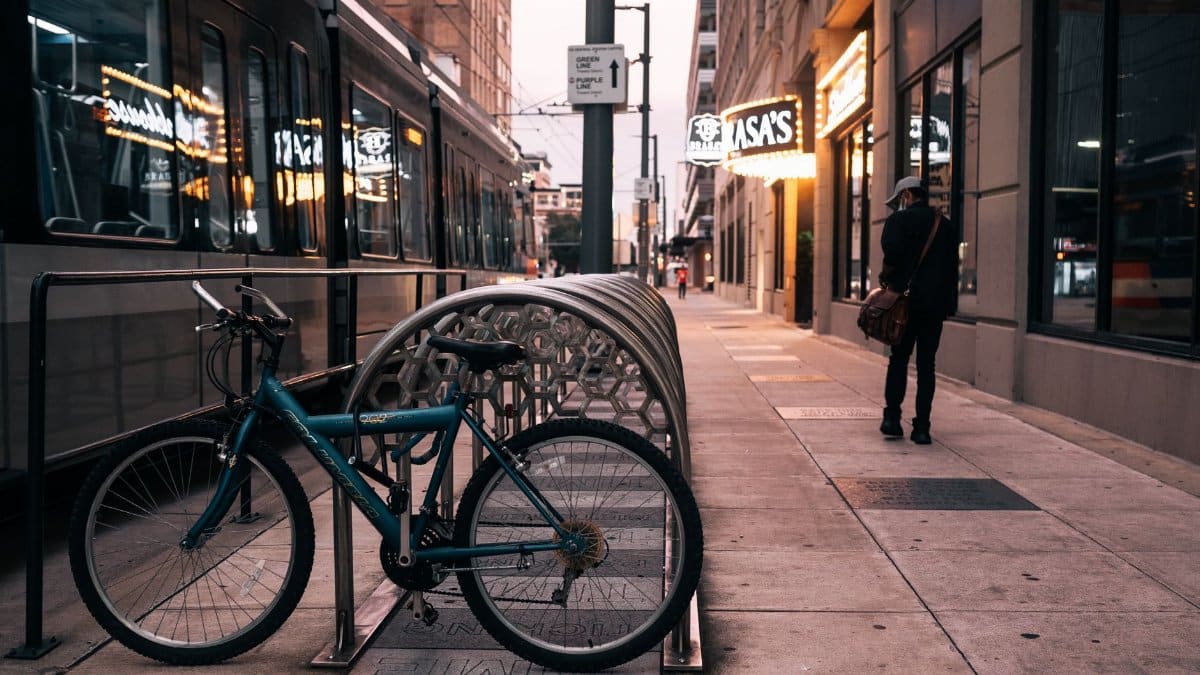
The landscape north of Houston is changing as planners emphasize ease of movement on foot and by bicycle. Families are choosing homes where schools shops and parks lie within comfortable reach. This shift reflects broader desires for healthier lifestyles and reduced dependence on cars. In Montgomery the concept known as Montgomery Walkable is gaining attention among developers and home buyers alike. People seek places where daily routines feel less rushed and more connected to surroundings.
Pathways That Connect Neighborhoods
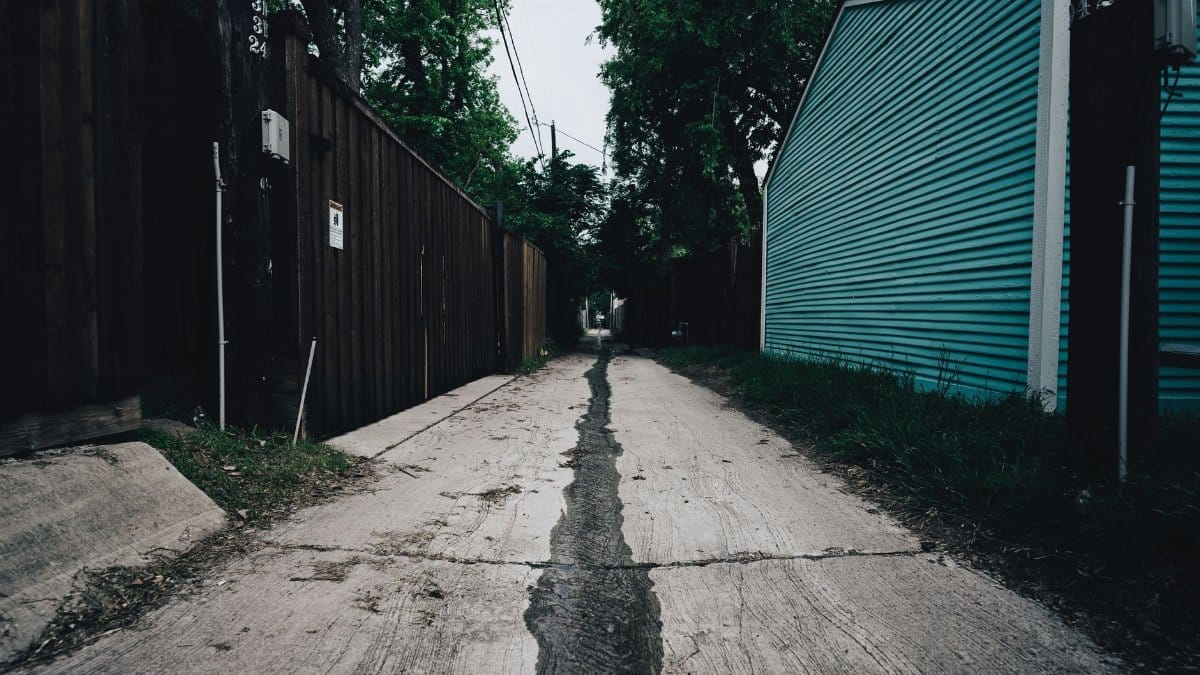
New trails link residential areas to local businesses creating routes suitable for morning strolls or evening rides. These connections encourage residents to leave vehicles behind for short trips. Community input shaped the layout ensuring paths avoid steep grades and include rest spots. Local officials report rising use of these routes as awareness spreads.
Housing Choices for Varied Needs
Builders offer single family homes alongside townhouses and smaller units all oriented toward walkable access. Designs incorporate front porches and shared green spaces that foster casual interactions among neighbors. Prices vary to attract young professionals as well as retirees looking for simpler routines. Sales data shows steady demand in these sections of Montgomery.
Local Shops Within Easy Reach
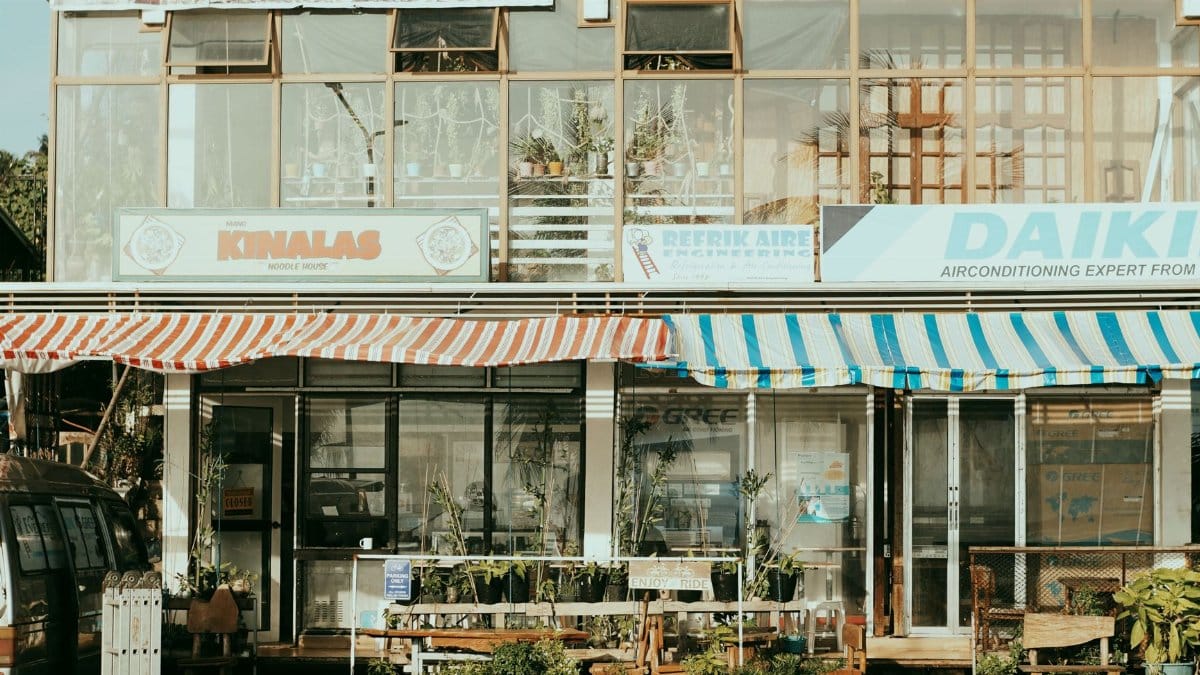
Grocery stores cafes and service providers cluster along main pedestrian routes reducing the need for longer drives. Entrepreneurs open outlets that cater to foot traffic with outdoor seating and displays. This setup supports small business growth while giving residents convenient options for essentials. Economic reports note increased foot traffic in these zones.
Bicycle Amenities and Safety Features

Dedicated lanes and secure storage at key destinations make cycling practical for commuting or recreation. Lighting along paths improves visibility after dark and signage guides users to popular spots. Training sessions teach safe habits to new riders of all ages. Participation in group rides has grown over recent seasons.
Green Spaces for Leisure and Exercise

Parks and open areas provide settings for picnics fitness classes and informal gatherings. Native plants reduce maintenance needs while supporting local wildlife. Trails through these spaces tie into the larger network promoting daily activity. Families appreciate the variety of environments available close to home.
Public Transit Links to Urban Centers
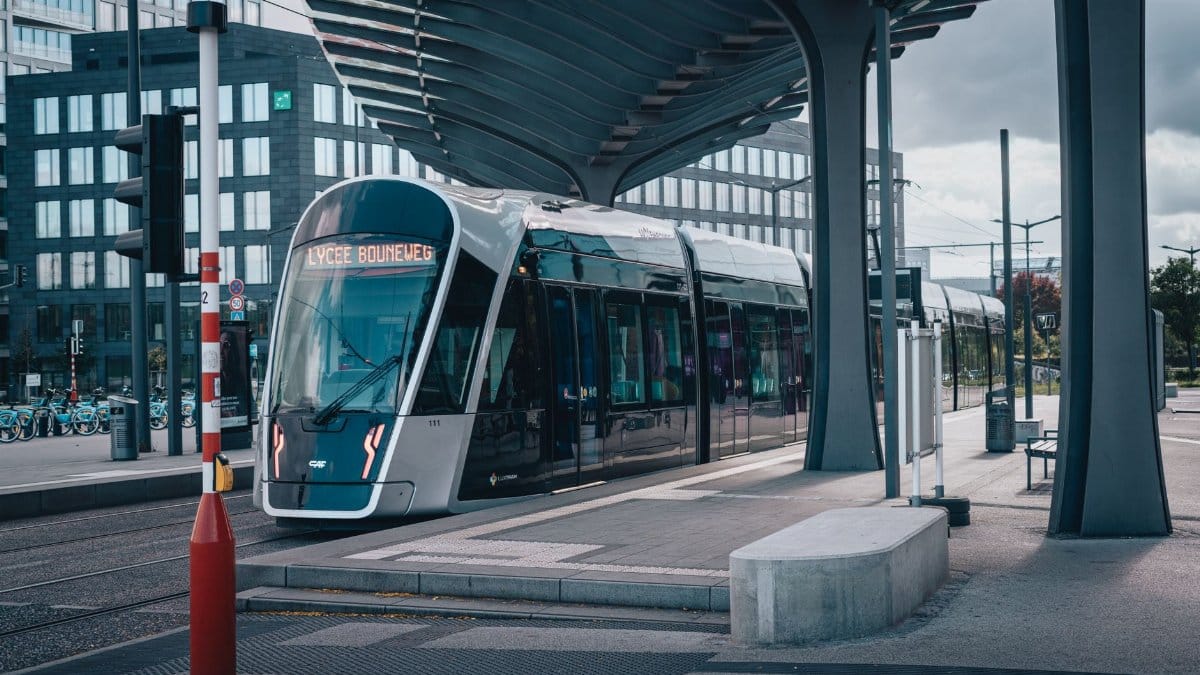
Bus stops and future rail connections integrate with the walkable core allowing seamless travel toward Houston jobs and cultural sites. Schedules align with peak hours to serve regular commuters. Shelters offer protection from weather and real time updates keep users informed. This integration expands options beyond the immediate area.
Community Events That Build Ties

Farmers markets art walks and seasonal festivals take place in central plazas drawing crowds from surrounding blocks. Organizers focus on inclusive activities suitable for all ages and abilities. Such gatherings strengthen social bonds and highlight local talent. Attendance figures continue to climb each year.
Environmental Benefits From Reduced Driving

Lower vehicle use contributes to cleaner air and quieter streets throughout the development. Energy efficient building standards complement the mobility focus. Rainwater systems and solar options appear in newer constructions. These measures align with regional goals for sustainability.