
The recent legal challenge from federal authorities has placed Washington state at the center of a debate over college costs and residency requirements. For years the state has extended in state rates to a broader group of residents than federal guidelines allow. This approach to Washington in state tuition now faces direct scrutiny in court. The policy dates back two decades and reflects efforts to expand access amid shifting demographics and economic pressures across the Pacific Northwest. Observers note that the case could influence how other states handle similar questions of eligibility and funding for public higher education.
Origins of the 2003 legislation
Washington lawmakers passed the measure during a period of growing enrollment pressures at community colleges and universities. The goal centered on reducing barriers for young people who had completed high school in the state yet lacked conventional citizenship documents. Proponents argued that local taxpayers already supported the schools through property levies and sales taxes. They viewed the change as a practical step rather than an expansion of new entitlements.
Core provisions under review

The statute permits individuals who attended Washington high schools for at least three years and earned a diploma or equivalent to qualify for resident tuition rates. It does not confer legal immigration status or access to federal aid programs. State officials maintain that the rule aligns with long standing practices in several other jurisdictions. The Justice Department contends that the approach conflicts with federal statutes governing residency for tuition purposes.
Potential effects on campus budgets

Public institutions in Washington rely on a mix of state appropriations and tuition revenue to cover operating costs. Any shift in who pays the resident rate could alter revenue projections at schools such as the University of Washington and Washington State University. Administrators have begun modeling scenarios that assume either continued implementation or a court ordered adjustment. Early estimates suggest modest overall impact yet noticeable changes at certain community colleges with higher shares of qualifying students.
Student experiences and academic paths

Many young adults affected by the policy describe steady progress toward degrees in fields such as nursing, engineering and education. They often balance coursework with part time jobs that contribute to local economies. Faculty members report that these students frequently participate actively in classroom discussions and campus organizations. Data from the state higher education board indicate graduation rates comparable to those of other resident groups when adjusted for socioeconomic factors.
Broader state policy context

Washington has pursued several measures aimed at workforce development and expanded postsecondary opportunity. These include investments in apprenticeship programs and targeted scholarships for high demand occupations. The tuition policy fits within that framework by encouraging completion among residents who already live and work in the state. Critics of the federal suit argue that overturning the rule would undermine those workforce goals without addressing root causes of migration.
Legal arguments from both sides

Department of Justice attorneys cite federal immigration law as preemptive over state tuition statutes. They point to language that restricts benefits based on immigration classification. State attorneys counter that tuition classification represents an exercise of traditional state authority over education finance. They emphasize that the policy imposes no cost on the federal treasury and applies uniformly to all who meet the academic residency criteria.
Comparisons with other states
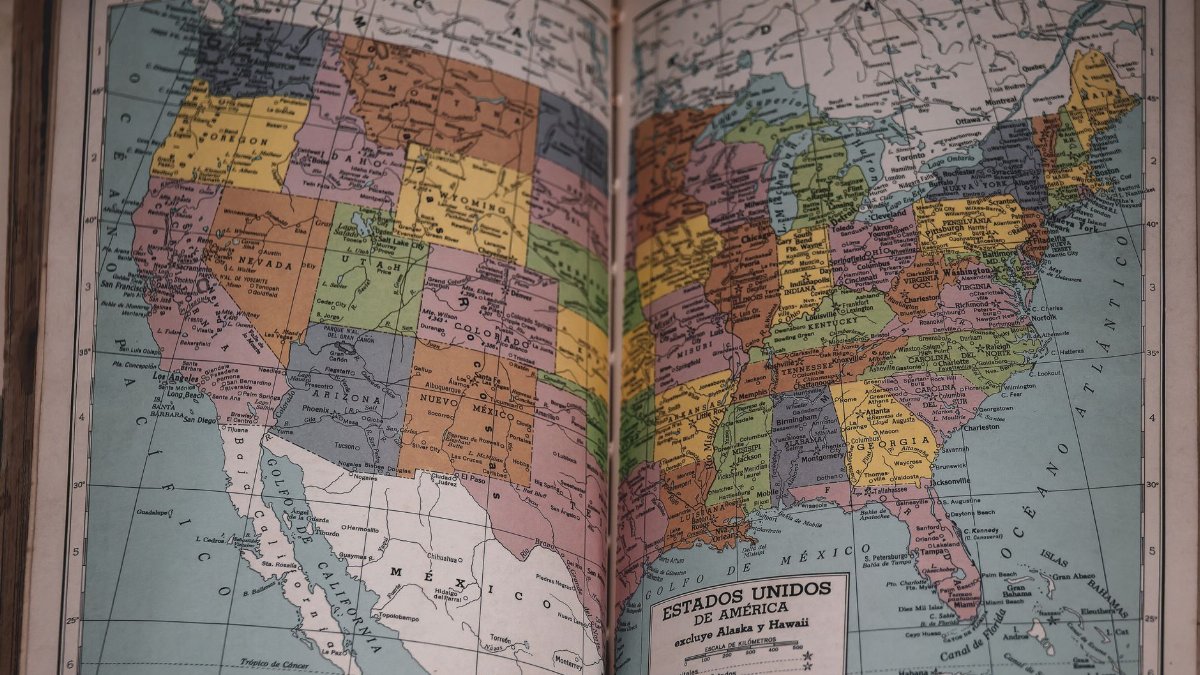
Roughly twenty states maintain statutes that grant in state tuition to students meeting similar high school attendance thresholds. Some of those laws have faced court challenges yet remain in effect. Others operate without federal intervention. Washington stands out because of its explicit statutory language and the volume of students who have used the provision since enactment. Legal scholars track these variations as test cases for federal state relations in education policy.
Outlook for higher education access

Whatever the outcome, the case highlights ongoing tension between state level innovation and national standards. Colleges across the country continue to seek predictable funding models while serving diverse populations. Families weigh the value of degrees against rising costs and uncertain job markets. The Washington dispute offers one window into how those pressures intersect with questions of eligibility and residency.