
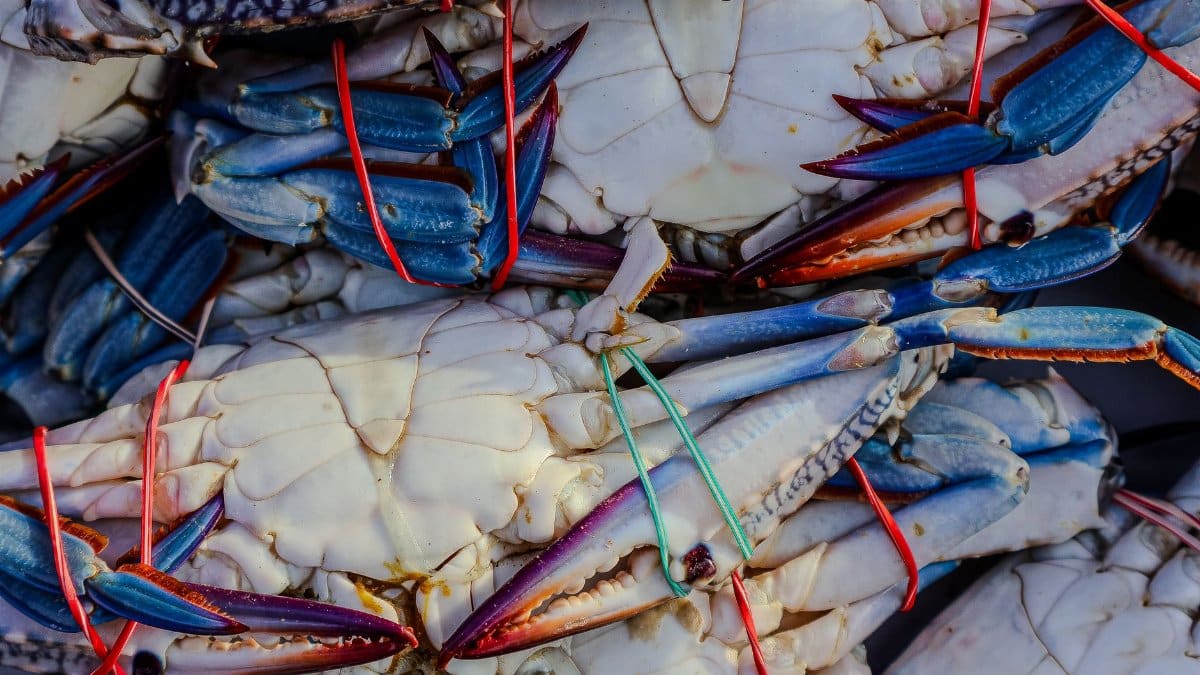
As summer draws residents to the shores of Puget Sound many find themselves drawn into the timeless ritual of harvesting shellfish from local waters. The activity carries both rewards and responsibilities that demand careful attention to detail. Following WA Crabbing Season Guidelines ensures participants protect both personal health and the long term viability of marine resources. Reports from state agencies highlight ongoing concerns over environmental conditions that can affect shellfish safety while rules evolve to address changing populations of crabs. Observers note that preparation and awareness separate a successful outing from one marred by unexpected closures or health issues.
Seasonal Timing and Area Closures
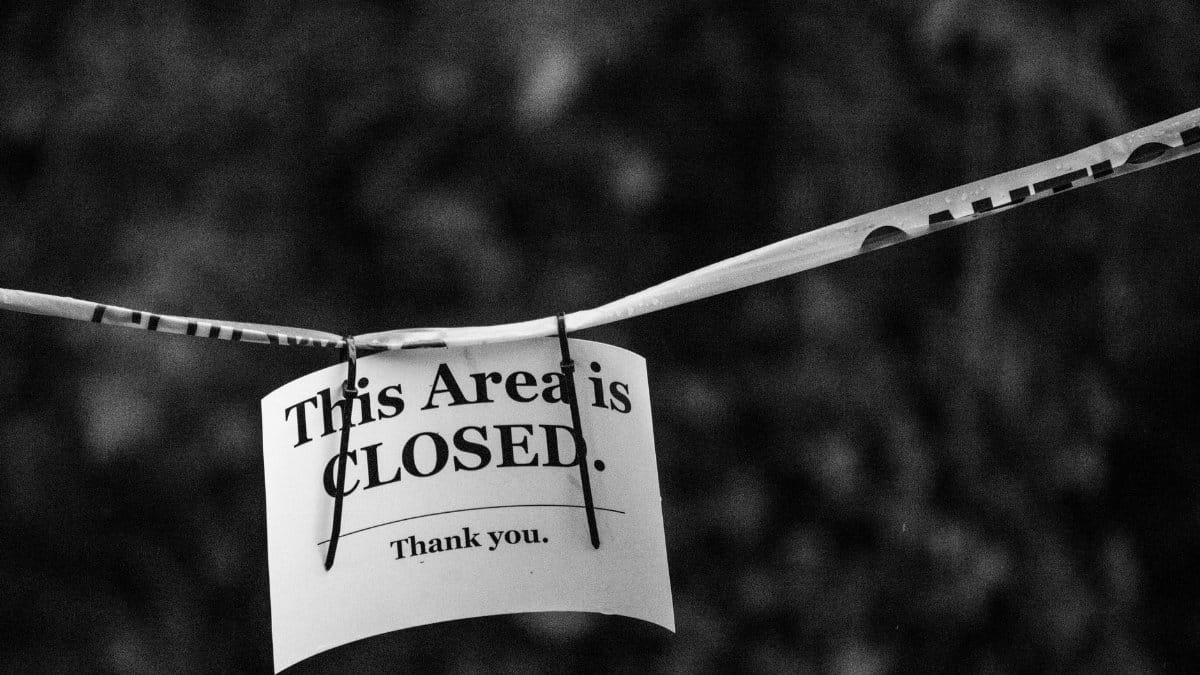
Washington waters open to crabbing on specific dates each year with variations across different regions of the coast and inland seas. Managers monitor crab numbers closely and may adjust openings based on survey data collected from boats and traps. Participants should review current announcements before heading out since sudden shifts can occur without much notice. Some zones close earlier than others due to lower stock levels leaving only certain stretches available for harvest through late summer.
Licensing and Permit Details
Every person over a certain age must carry a valid fishing license that includes shellfish privileges when pursuing crabs. These permits come with fees that support conservation programs and enforcement patrols on the water. Digital versions allow quick checks via mobile devices yet paper copies remain acceptable in most cases. Failure to show proper documentation during an inspection can result in fines that add up quickly for repeat offenders.
Daily Limits and Size Rules
State limits cap the number of crabs kept each day with measurements taken across the shell to confirm legal size. Undersized specimens must return to the water immediately to allow further growth and reproduction. Counting occurs at the time of harvest so keeping extras temporarily for later release does not count as compliant.
Approved Gear Types and Markings
Only certain trap designs receive approval with requirements for escape holes that let smaller crabs exit freely. Buoys must display the license number in clear lettering visible from a distance to aid officers during patrols. Lines connecting traps to floats need sufficient strength to withstand currents yet remain easy to retrieve without excess length that could tangle marine life.
PSP Toxin Monitoring Efforts

Health officials test samples regularly for paralytic shellfish poisoning which can accumulate in crabs during certain algae blooms. Advisories appear on agency websites when levels rise above safe thresholds prompting temporary bans in affected bays. Symptoms of exposure include numbness and breathing difficulty making it vital to discard any catch from closed areas even if it appears normal.
Recognizing and Handling Tagged Specimens
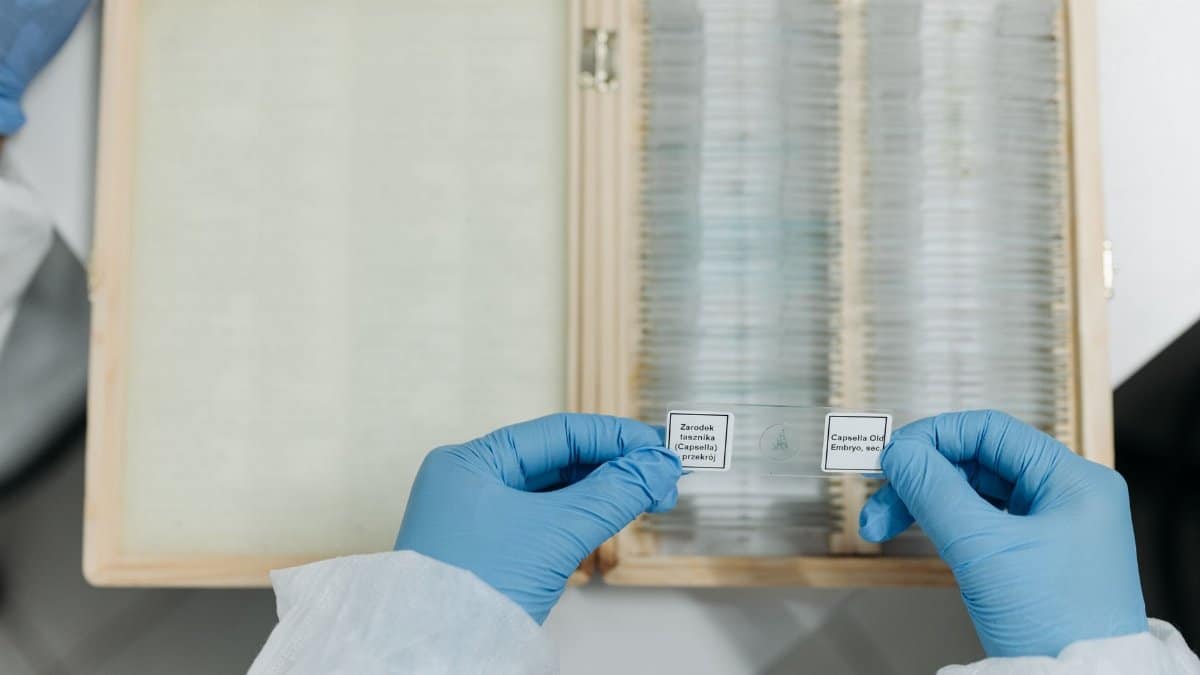
Biologists attach tags to selected crabs as part of research tracking movement and survival rates across seasons. These marked animals should return to the water unharmed to preserve data integrity. Spotting a tag requires immediate release without attempting to record information yourself since that task falls to trained staff.
Best Practices for Sustainable Harvest

Rotation among different spots prevents overpressure on any single population while allowing recovery time between visits. Avoiding harvest during peak molting periods supports future yields since soft shell crabs represent the next generation of legal size animals. Many longtime participants share knowledge through community networks to spread awareness beyond official channels.
Popular Access Points Around the Sound
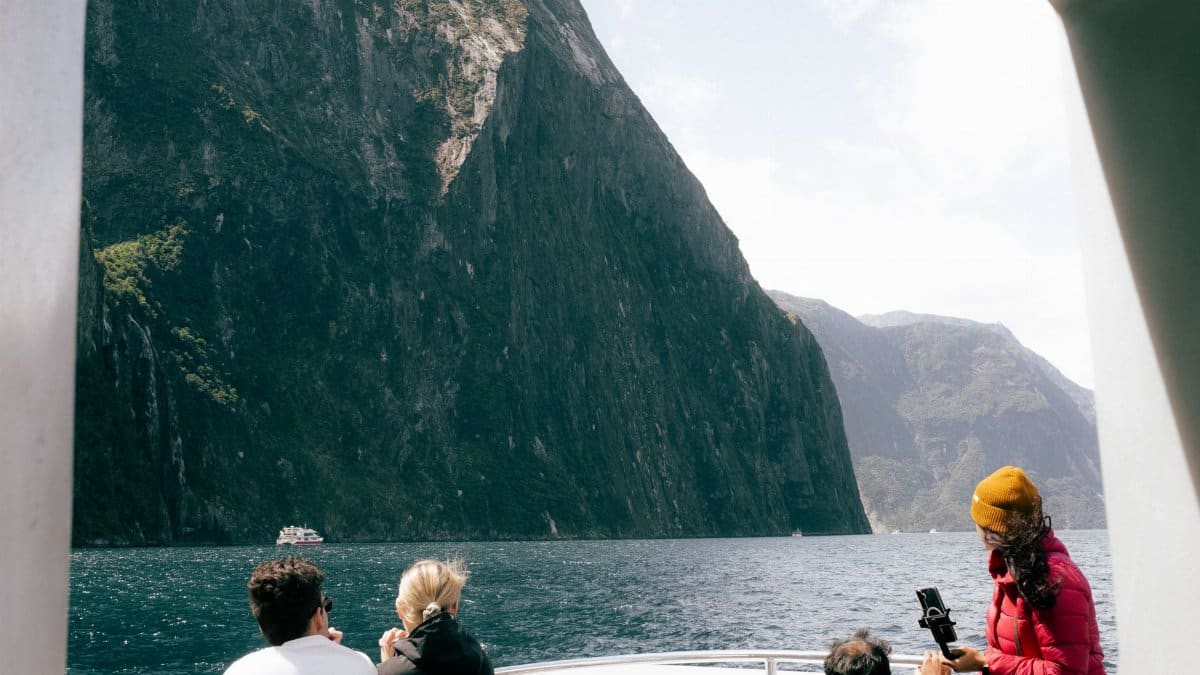
Public piers and boat launches near Everett and Tacoma draw crowds on weekends yet require early arrival for parking and space. Shore based options limit reach compared to vessels but still yield solid results when timed with favorable tides. Maps from wildlife departments outline parking and facility details for first time visitors planning their routes.
Enforcement Patterns and Typical Penalties
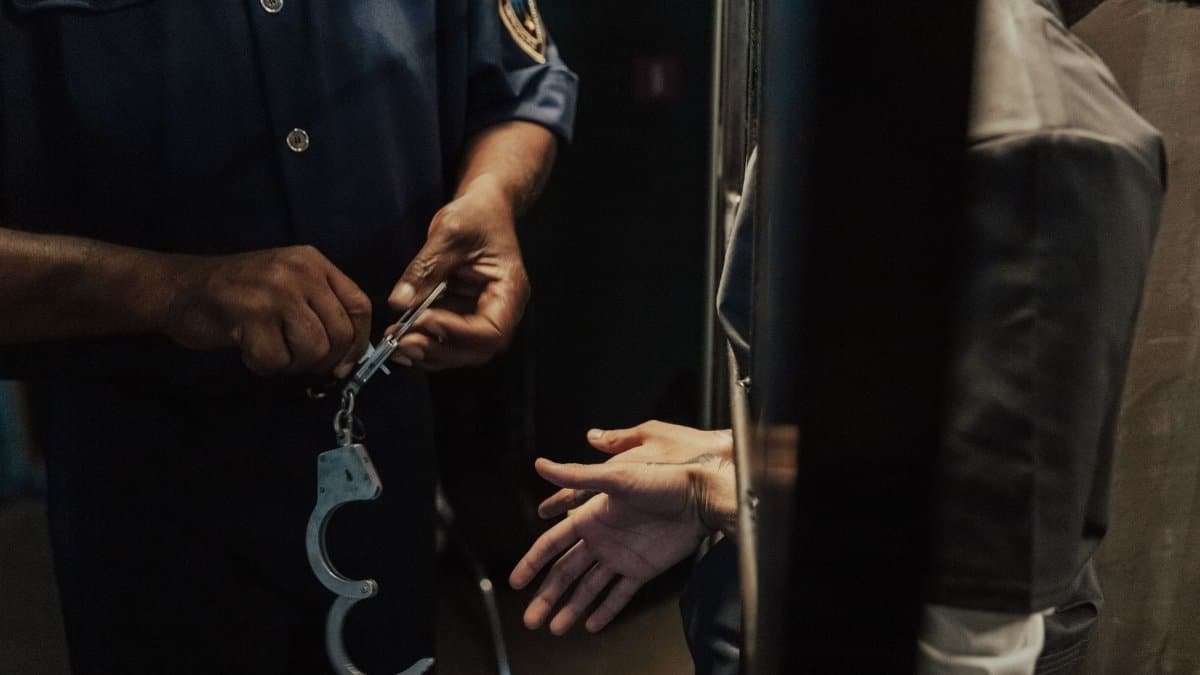
Officers conduct random checks both on shore and from patrol boats focusing on compliance with limits and gear standards. First offenses often bring warnings alongside education yet repeat violations lead to license suspensions that last multiple years. Court records show most cases resolve through payment of fines that fund further monitoring work.
Preparation Steps After the Catch
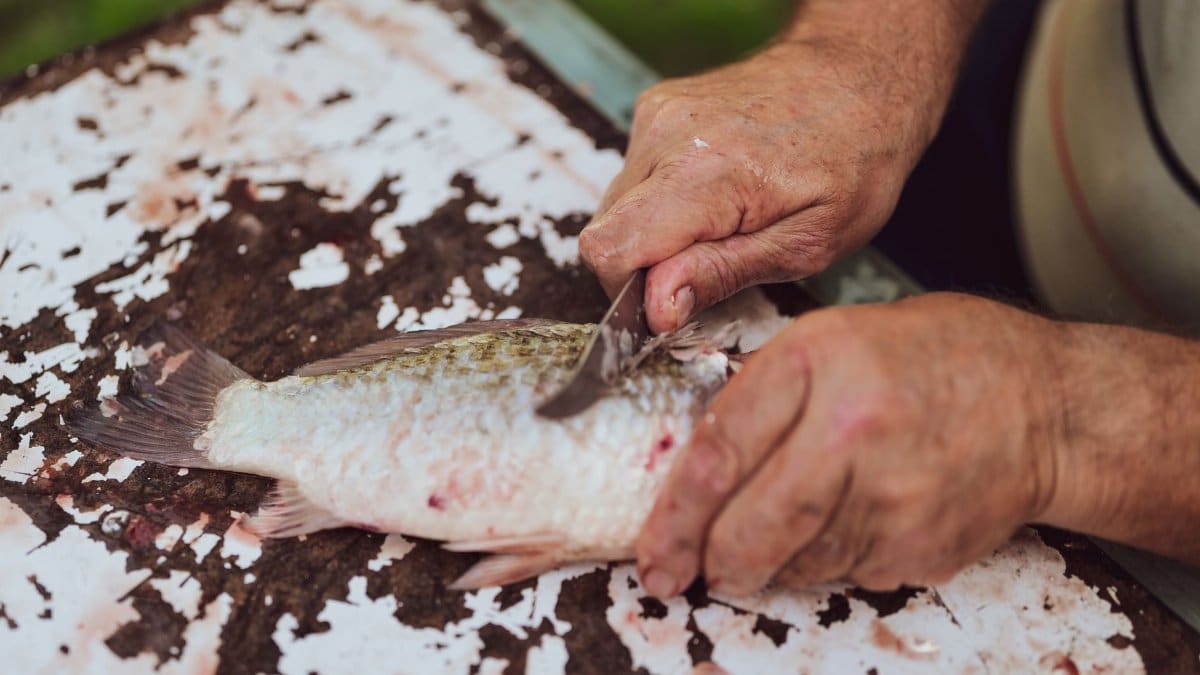
Cleaning crabs promptly after landing preserves quality with ice used to keep them cool during transport. Cooking methods vary yet thorough heating eliminates any remaining concerns over bacteria or residual toxins. Leftovers store safely in refrigerators for a short period before quality declines noticeably.