
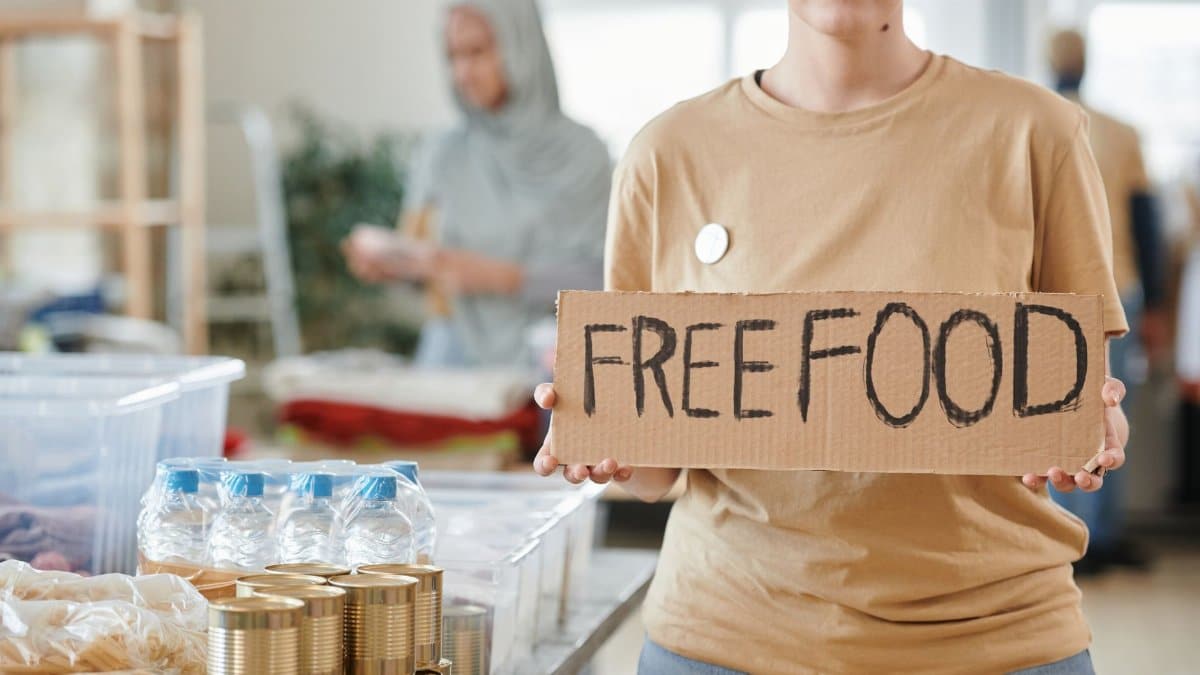
In the quiet expanse of eastern Colorado where wheat fields stretch toward the horizon a small town hall doubles as a distribution point each Thursday morning. Families arrive early carrying reusable bags while volunteers sort boxes of produce and canned goods. This scene repeats across rural counties highlighting how Colorado Food Pantries fill gaps left by distant grocery stores and limited public transport.
Volunteer Networks Expand Reach
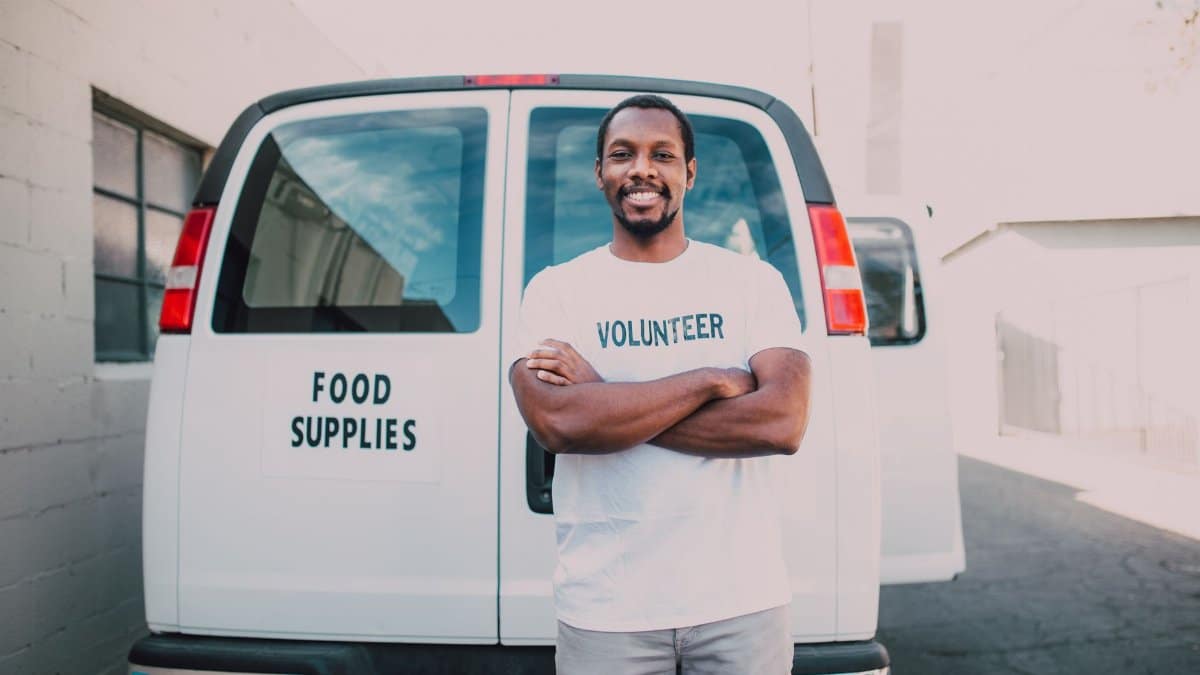
Across farm communities residents who once relied solely on neighbors now organize weekly gatherings. These efforts draw retirees teachers and local business owners who coordinate donations from nearby ranches. The result connects isolated households to steady supplies without requiring long drives to urban centers.
Seasonal Harvests Shape Offerings

During peak months fresh corn squash and apples arrive from adjacent fields. Volunteers adjust inventories based on what growers contribute that week. Such flexibility keeps shelves stocked even when national supply chains falter due to weather or fuel costs.
Families Navigate Quiet Hardships
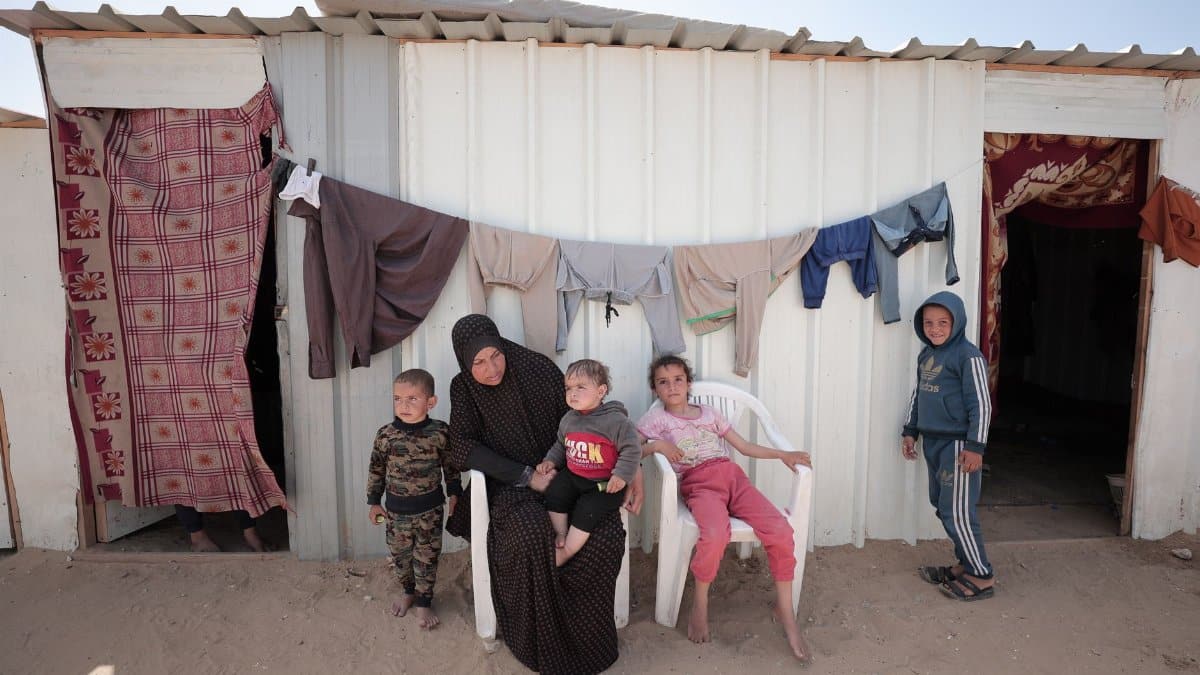
Many households balance farm labor with rising equipment prices. Parents describe skipping meals so children can eat full portions at school. Pantries provide staples that stretch budgets and reduce the stress of empty refrigerators during winter months.
Local Churches Offer Steady Support

Faith groups host collection drives after services and store overflow items in basements. Pastors often visit homes to check on elderly members who cannot travel. This personal touch builds trust and encourages repeated visits from those hesitant to seek outside help.
Youth Programs Teach New Skills

High school students assist with sorting and packing as part of service projects. They learn about nutrition while gaining firsthand views of community needs. Some later return as adult coordinators bringing fresh energy to longstanding routines.
State Policies Influence Funding Flows

Recent adjustments in agricultural aid have directed more resources toward rural distribution points. Coordinators track paperwork carefully to qualify for grants that cover refrigeration units and delivery vans. These supports allow pantries to handle larger volumes without raising private donations alone.
Health Clinics Partner on Nutrition
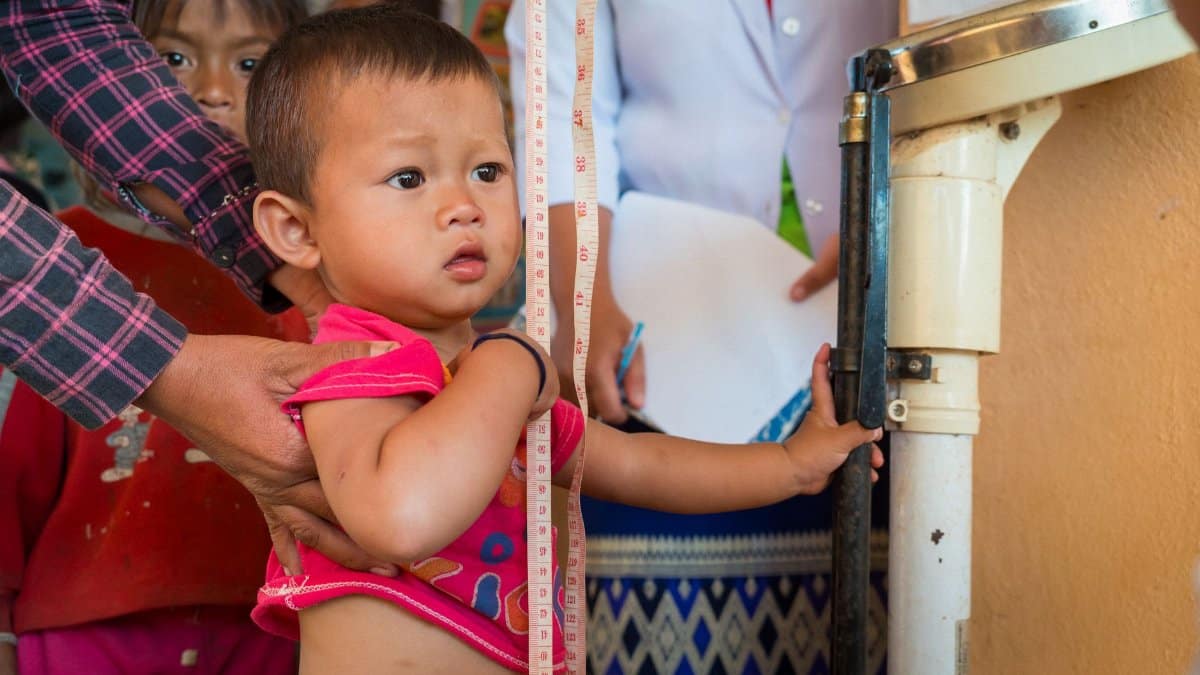
Doctors refer patients who show signs of dietary shortfalls to nearby sites. In return pantry staff share simple recipes using available items. The collaboration reduces repeat medical visits tied to preventable conditions linked to poor eating habits.
Future Plans Focus on Stability

Organizers discuss permanent buildings and shared trucking among several counties. They seek ways to store excess summer produce for colder periods. Such steps aim to create reliable systems that outlast individual volunteers and shifting crop yields.