
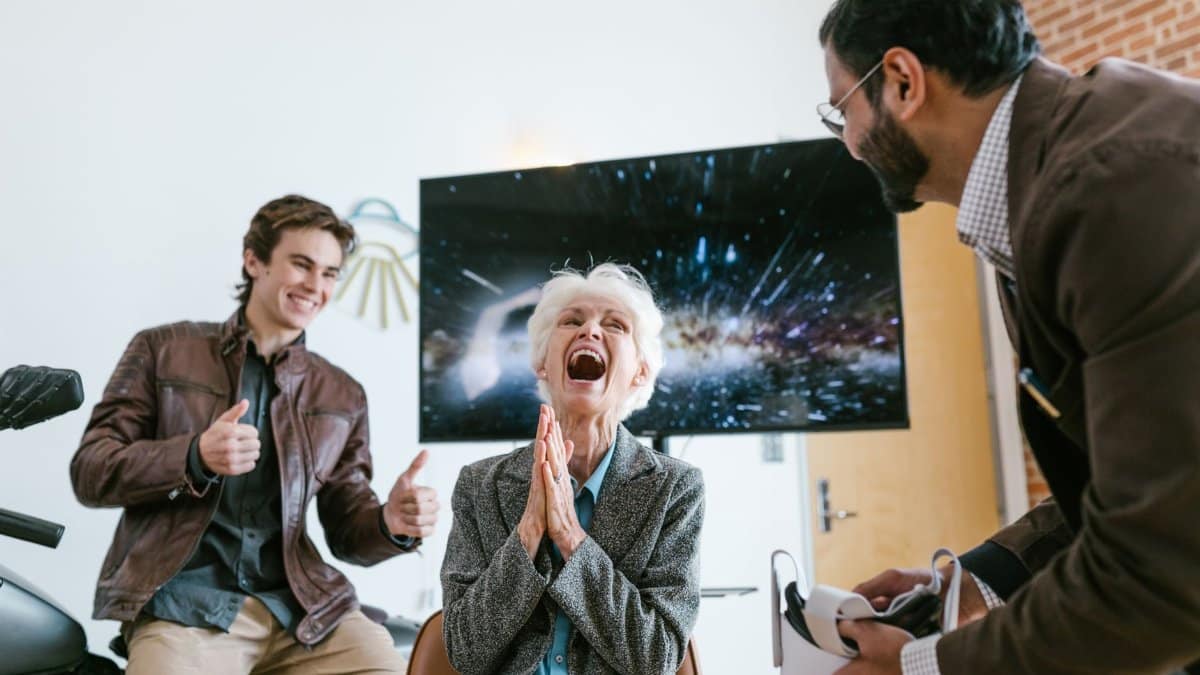
In quiet corners of Dallas retirement homes, residents once accustomed to daily conversations now discover new connections through headsets that transport them to bustling markets or serene parks. This shift comes as programs tackle Texas seniors VR loneliness with immersive experiences designed for older adults. The approach draws from local innovation at Mynd Immersive, where virtual environments replace isolation with shared adventures and gentle interactions.
Emergence of Immersive Tools in Senior Settings
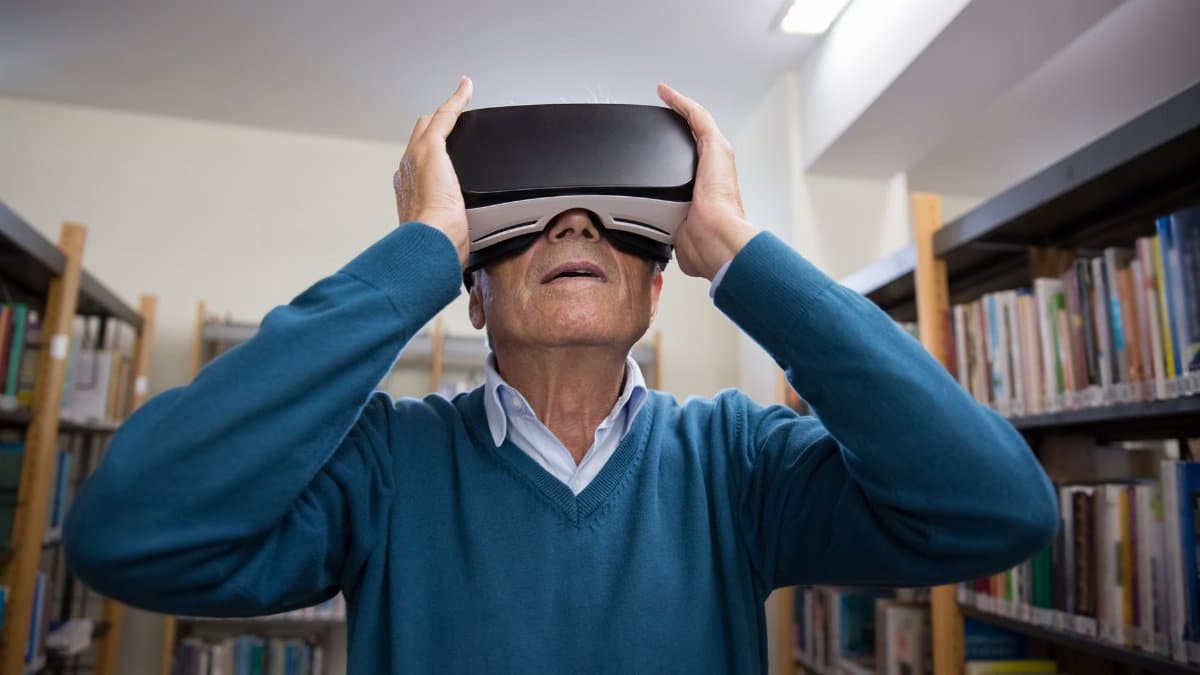
Facilities across the state have begun integrating virtual reality into routine activities. Staff members note that sessions last about twenty minutes and focus on familiar scenes such as Texas landscapes or historical sites. Participants report feeling more engaged after each use, with some requesting repeat visits to the same virtual locations.
Role of Local Companies in Program Development

Mynd Immersive, based in Dallas, creates content tailored to older users. Their team works with therapists to ensure experiences remain calming rather than overwhelming. Partnerships with care centers allow regular access without requiring residents to purchase equipment.
Daily Routines Transformed by Virtual Visits
Many residents structure their afternoons around these sessions. One woman in her eighties describes walking through a virtual version of her childhood neighborhood. Another joins group tours of museums that would otherwise require difficult travel arrangements.
Effects on Mood and Social Interaction

Observations from staff indicate reduced signs of withdrawal among regular users. Conversations about the virtual experiences often continue during meals, sparking exchanges that might not occur otherwise. These moments build a sense of community within the facility.
Training Requirements for Care Providers

Employees receive guidance on assisting participants with the headsets. Sessions emphasize simple controls and immediate support if discomfort arises. This preparation keeps the focus on enjoyment and safety throughout each experience.
Broader Implications for Aging Populations
Similar efforts elsewhere suggest potential for wider adoption. Texas programs stand out because of their emphasis on local themes that resonate with long time residents. Continued refinement could extend benefits to more facilities in coming years.
Feedback from Families and Observers

Relatives often express surprise at the level of detail in the environments. Some note that parents seem more alert during subsequent phone calls. These accounts add context to the measured outcomes tracked by the centers themselves.
Limitations Encountered in Early Stages

Not every resident responds equally to the technology. A few prefer traditional activities such as reading or crafts. Providers adjust offerings accordingly, maintaining a range of options rather than replacing one method entirely.
Research Directions and Ongoing Evaluations

Studies referenced from the original Dallas News coverage highlight measurable changes in reported isolation levels. Additional data collection continues through partnerships with universities. Findings help refine session length and content selection.
Cost Considerations for Widespread Use

Initial investments cover equipment and software licensing. Facilities spread expenses across multiple residents, keeping per person costs manageable. Grants and community support further ease entry for smaller organizations.
Future Integration with Existing Care Models

Planners envision combining virtual sessions with physical therapy or group discussions. This layered approach could strengthen both mental and physical health outcomes. Early trials show promise in aligning technology with established practices.