
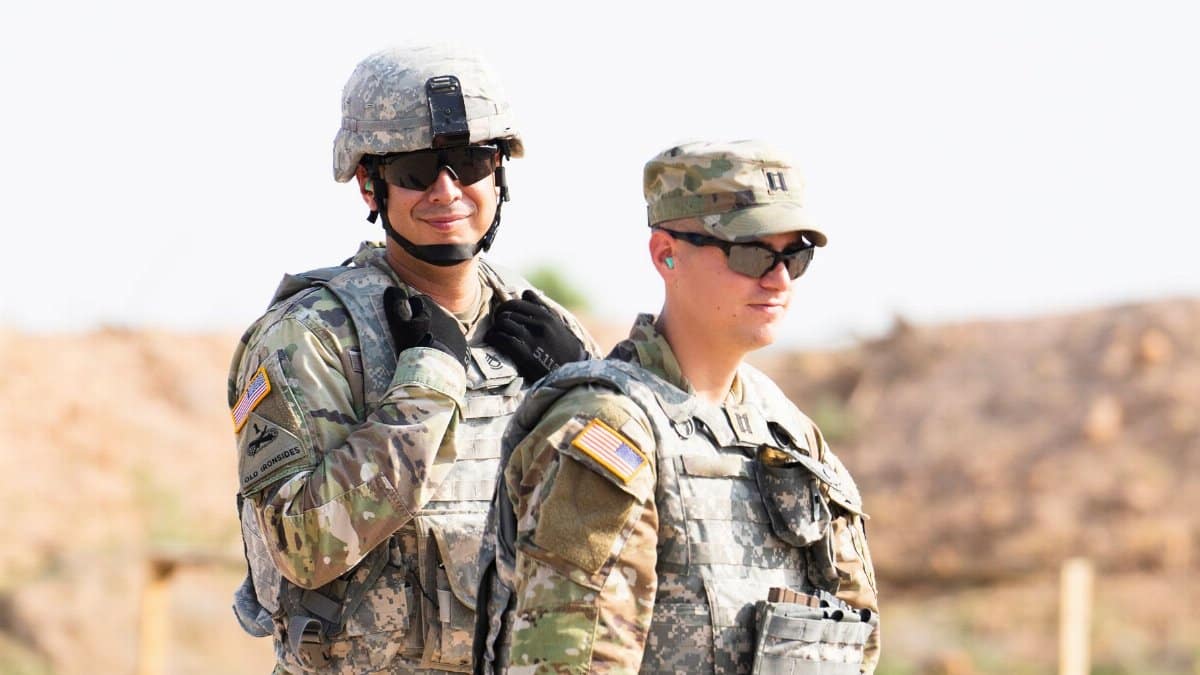
On a warm evening in northern Iraq, the last American convoy rolled out of a base near Irbil and the radios went quiet. Soldiers who had spent years advising local units watched the perimeter lights fade in the rearview mirror, and commanders marked a line that Washington had promised for months. Officials later confirmed that the US Iraq withdrawal complete declaration covered every remaining combat and advisory contingent assigned to the campaign against the Islamic State. For a country that has lived with foreign uniforms since 2003, the moment felt both ceremonial and unfinished, a closing of one chapter that did not erase the arguments about what the years had cost.
The last trucks leave Irbil

The Pentagon said the final troops crossed out of the Irbil area on September 30, ending a mission that began in 2014 when Islamic State fighters seized Mosul and threatened the capital. What started as an emergency air campaign grew into a sprawling advisory effort, with American personnel embedded beside Iraqi and Kurdish units, running intelligence cells, and keeping aircraft on alert. By the end, the footprint was a fraction of its peak. Still, the departure was not a parade. It was a logistics exercise conducted under rules meant to avoid spectacle, with equipment either handed to Iraqi forces, flown out, or destroyed if it could not travel.
Commanders described the exit as orderly. There were no reported attacks on the departing columns, a fact officials cited as evidence that local security forces could hold the ground they had retaken. Critics noted that quiet roads on a single night do not prove a durable peace. Both readings can be true at once. A withdrawal can be professionally executed and still leave political questions that no convoy schedule can answer.
How a limited war became a long stay
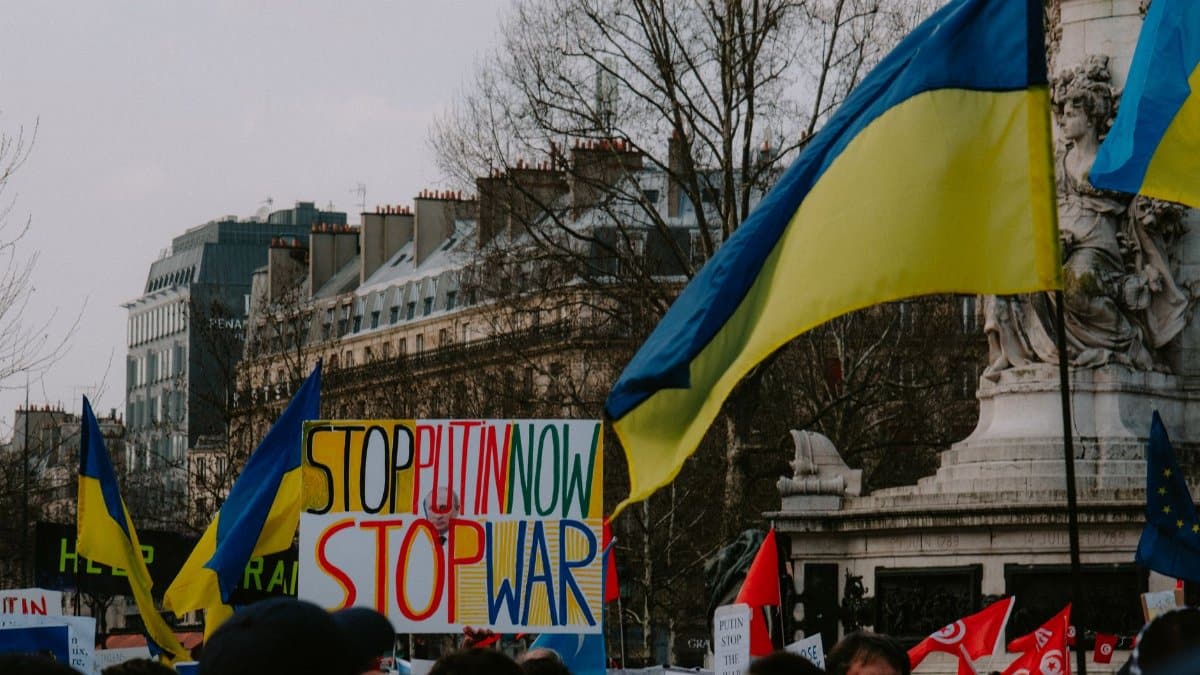
The campaign against the Islamic State was sold to the American public as a bounded fight, not a return to occupation. President Barack Obama authorized strikes and advisers after the group broadcast its atrocities and overran Iraqi army positions. Subsequent administrations adjusted troop levels, sometimes drawing down, sometimes sending reinforcements when militias or remnants of the group threatened bases. The legal basis remained a patchwork of authorizations inherited from earlier wars, a fact that troubled constitutional lawyers even when the battlefield case seemed clear.
Over twelve years the mission changed character. City fighting gave way to rural raids, then to training cycles, then to a watchful presence meant to prevent a relapse. Each shift made the end harder to define. If the goal was the fall of a self declared caliphate, that goal was met years ago. If the goal was a region where such a group could not reconstitute, no calendar date could certify success. The phrase US Iraq withdrawal complete therefore describes a troop movement more cleanly than it describes a strategic verdict.
What Iraqi commanders say they can hold
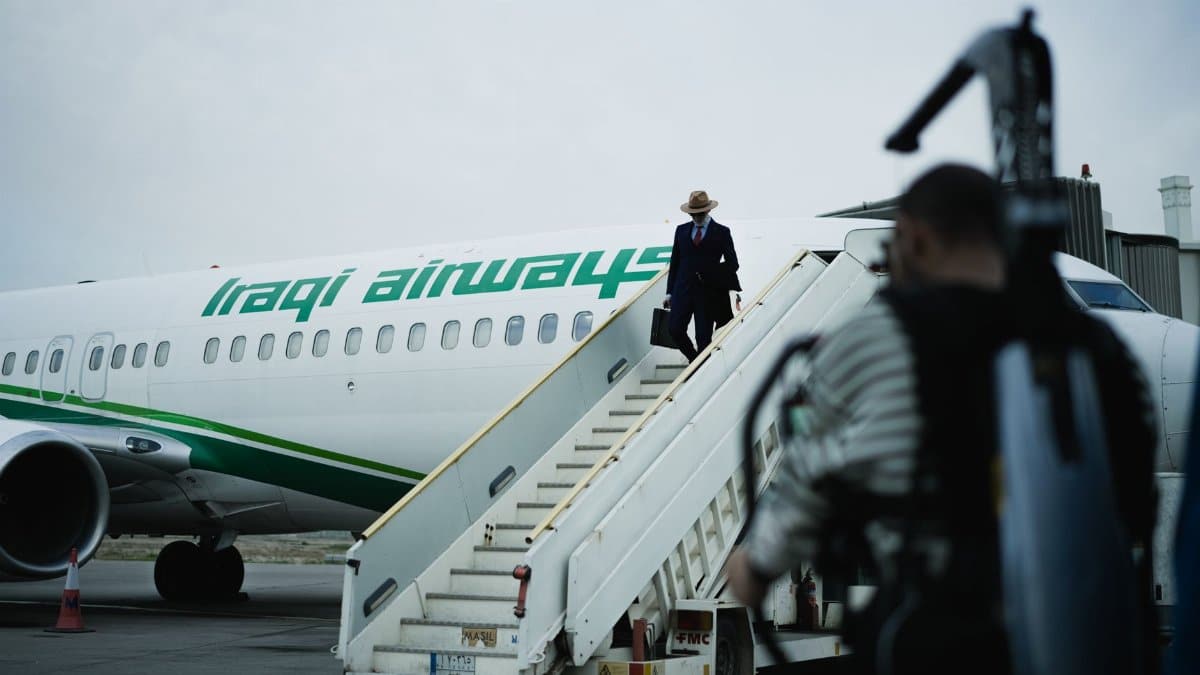
Iraqi officers who briefed reporters in Baghdad argued that their units no longer need American battalions on the ground to conduct routine operations. They pointed to local intelligence networks, rebuilt brigades, and a generation of commanders who learned urban warfare the hard way in Ramadi, Fallujah, and Mosul. Air support, they acknowledged, remains a different matter. Precision strikes and surveillance aircraft were the advantages Iraq could not fully replace on its own budget or with its own industry.
That gap is the hinge of the new arrangement. Officials in both capitals have spoken of continued cooperation from outside Iraq, including from bases in neighboring states and from ships and aircraft that do not require a permanent garrison. Whether that model can answer a fast moving crisis is untested. Distance slows decisions. Politics in Baghdad can slow them further, especially when militia factions hostile to any American role hold seats in parliament and influence in the security services.
Washington argues over the meaning of done

In Congress the announcement split less along party lines than along theories of American power. Some members called the exit overdue, a chance to stop spending lives and dollars on a conflict the public had stopped following. Others warned that declaring an end invites adversaries to probe for weakness, and that the cost of returning under fire would dwarf the cost of staying small. The White House framed the move as the fulfillment of a promise to Iraqi leaders who had asked for sovereignty without a foreign camp on their soil.
Those arguments are familiar because they have been rehearsed after every major drawdown since the first Gulf War. What is new is the thinner margin for error. The United States is managing competing demands in Europe, the Pacific, and at home. A completed withdrawal frees people and equipment, but it also removes options that commanders had treated as routine. The debate will not settle on the day the last soldier leaves. It will settle, if it settles at all, in the months when something goes wrong and Washington discovers which tools it still has.
Families who measured the war in absences
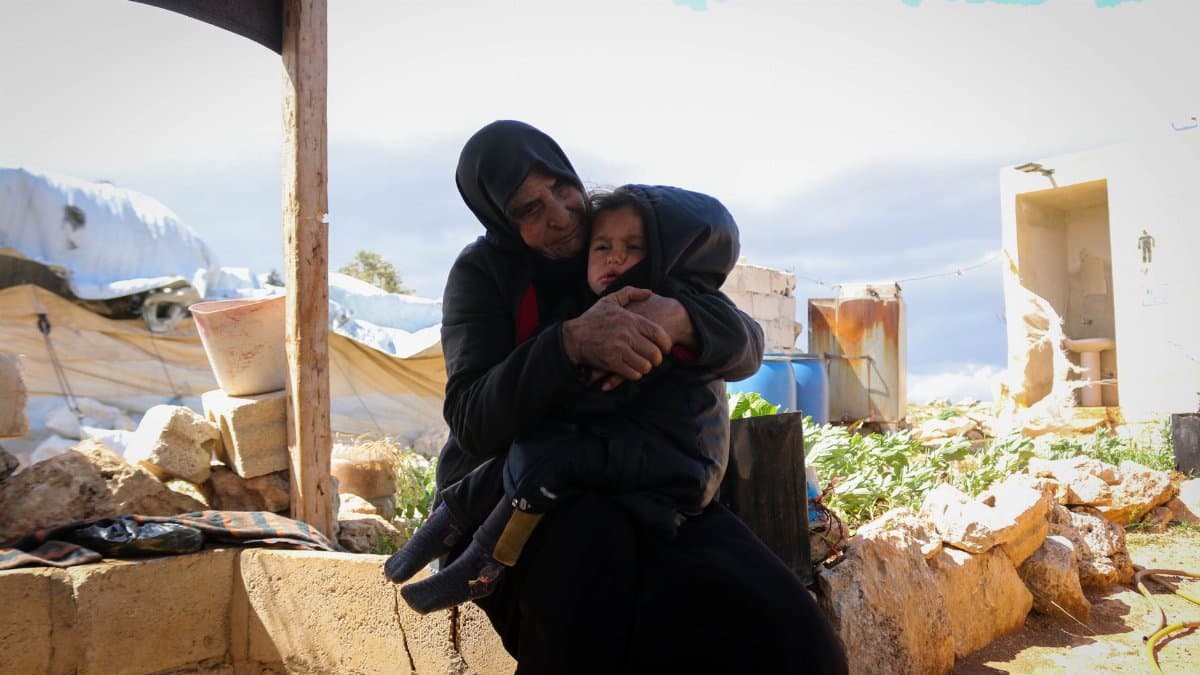
For military households the news arrived as a personal calendar correction. Deployments to Iraq had become episodic rather than constant, yet they still rearranged jobs, school years, and the quiet math of who would be home for a birthday. Spouses described relief mixed with a superstition they were reluctant to name: the fear that a announced ending can be revised by a headline. Veterans of earlier tours heard the reports with a different ear. Some felt vindicated that a later generation would not inherit an open ended posting. Others felt the word complete sat awkwardly beside memories of friends who did not come back from a war that official language kept shrinking.
Public ritual around this exit has been modest. There is no equivalent of a dockside homecoming for a mission that shrank by increments. That modesty may be fitting. It may also be a way of not looking too closely at what the years purchased. A nation can honor service without pretending that every deployment produced a result equal to its cost.
The threat that outlasts a flag lowering
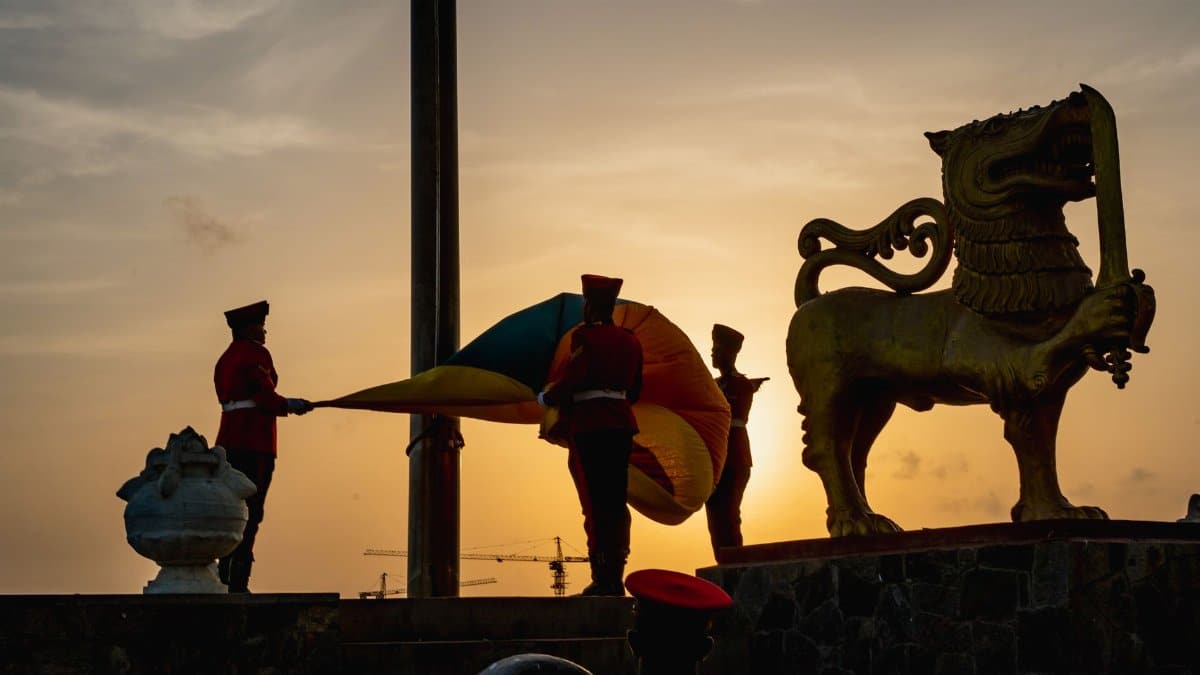
Islamic State cells no longer hold cities, but they have not vanished. Analysts who track militant media and attack data describe a group that survives in rural pockets, inside prisons, and across the border in Syria, where the American posture is a separate and still unsettled question. Iraqi officials report periodic raids and arrests. The pattern is harassment rather than conquest, which is easier to live with and harder to declare finished.
A completed troop withdrawal does not confiscate ideology, weapons stockpiles, or the grievances that recruiters exploit. Those are Iraqi problems first, and Iraqi institutions will be judged on whether they police them without the abuses that once fed the insurgency. Outside partners can share intelligence and funding. They cannot supply legitimacy. If the US Iraq withdrawal complete moment is to mean more than a press release, Baghdad will have to show that security and politics can move together rather than in opposite directions.
Militia politics and the sovereignty test
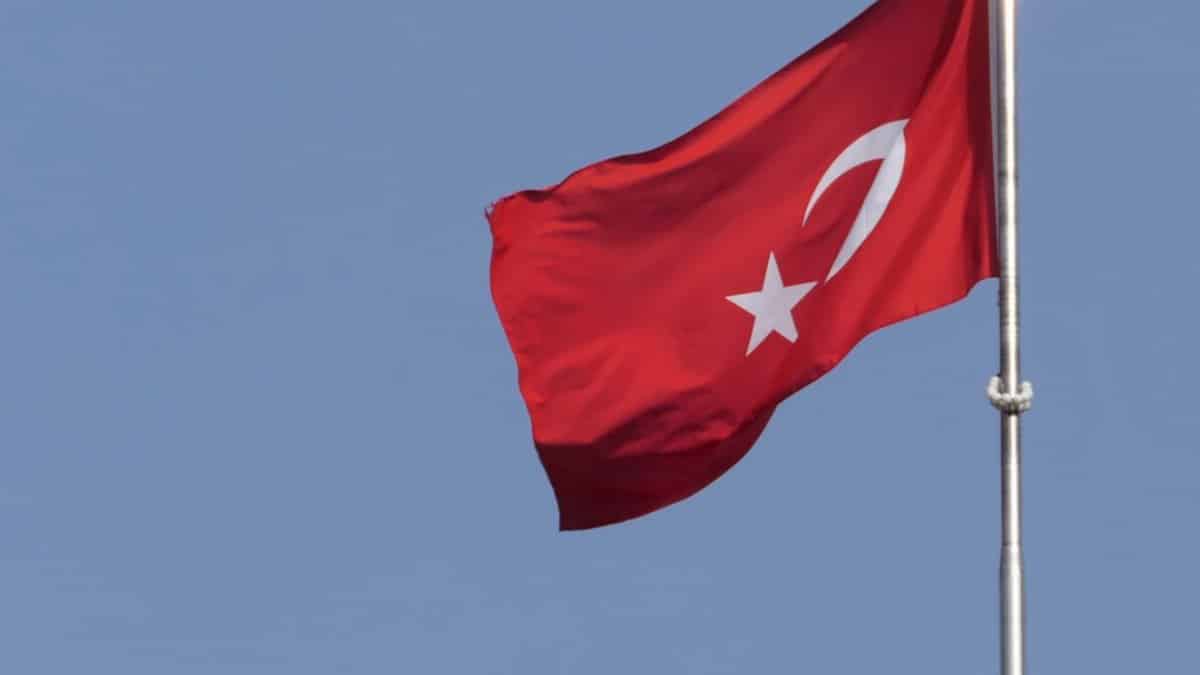
The hardest audience for the American exit may be inside Iraq itself. Factions tied to Iran have long demanded that United States forces leave, and they will claim the September 30 departure as their victory whether or not they forced the timetable. Other Iraqis, including many who fought the Islamic State, worry that a vacuum will be filled by armed groups that answer to party leaders rather than to the state. Sovereignty, in that telling, is not the absence of Americans. It is the presence of a government that can monopolize force.
That test will show up in small places: a checkpoint that answers to a ministry rather than a militia office, a budget that pays soldiers on time, a court that can try a powerful man. None of those are tasks for a foreign brigade. All of them were harder while foreign troops remained a political lightning rod. The departure removes an excuse. It does not remove the work.
Neighbors watch the road out

Regional capitals read the convoy as a signal about American attention. Turkey, which has its own military footprint in northern Iraq aimed at Kurdish militants, will test whether Washington still objects with force or only with statements. Gulf states that funded reconstruction and feared spillover will ask whether training programs and arms sales continue at the same pace. Iran, whose influence in Baghdad grew during the years of American drawdown and partial return, gains a talking point and loses a nearby irritant that its allied militias used to justify rockets and drones.
Syria sits next to all of this and refuses to stay in a separate column. Fighters, families, and weapons have crossed that border for a decade. A mission billed as complete in Iraq can be undermined by collapse next door. Officials have been careful not to promise that the Irbil exit previews a similar ending in Syria. The distinction is legally and politically real. On the ground it can look academic to people who live within a day’s drive of both wars.
Money, memory, and the ledger

No honest account of the mission can skip the ledger. Billions of dollars went to strikes, salaries, equipment, and the reconstruction of forces that had collapsed once already. Iraqi civilians bore the urban battles, the displaced camps, and the slow return to ruined neighborhoods. American deaths in the later advisory years were fewer than in the occupation that preceded them, which is a mercy and not a moral eraser. The public record of those costs is scattered across budget tables and casualty reports that rarely share a page.
Memory in the United States has already moved on more than once. Iraq reentered the news when the Islamic State shocked the world, then slipped again as other crises took the front page. A formal ending offers a chance to look back with more care than a news cycle allows. It also offers a chance to look away. Which habit wins will shape whether the next emergency is met with humility or with the same confident briefings that have aged poorly.
Advisers who stayed until the lights went out

The people who left last were not, for the most part, the raid forces of popular imagination. They were logisticians, intelligence specialists, maintainers, and officers whose days were meetings, maintenance checks, and the patient translation of American doctrine into Iraqi practice. Several described their final weeks as an exercise in making themselves unnecessary. That is a strange professional goal, and an honorable one when it works.
Their departure also ends a particular kind of knowledge. Relationships built over repeated tours do not transfer cleanly to an embassy cable or a video call. When a commander in Mosul trusted a captain from Kentucky enough to admit that a unit was hollow, that admission could change a plan. Distance makes such candor rarer. Diplomats and military attaches will try to preserve it. They will do so without the daily proximity that made the old model, for all its political costs, tactically intimate.
What completeness can and cannot promise

Language from the Pentagon has been precise because precision is a form of caution. Officials say combat troops and the advisory mission tied to the Islamic State campaign have ended. They do not say that Iraq has left the map of American interests, or that every contractor, diplomat, and security cooperation program has vanished. Readers should hear that distinction. A headline can flatten it. The statement that the US Iraq withdrawal complete status applies to the assigned mission is not a claim that history in Mesopotamia has stopped.
Completeness, in military terms, means the order was carried out. Units are no longer posted to the bases they occupied yesterday. Equipment manifests match. The chain of command has a new diagram. Those are real achievements for the people who had to move thousands of tons of gear without a serious incident. They are not a treaty with the future. The future will be written by Iraqi voters, by armed men who may or may not obey them, and by decisions in Washington about how much attention a completed war still deserves.
A country learning to live without the base

In Irbil and in the plains to the south, the practical effects will arrive unevenly. Some neighborhoods will notice only that helicopters are rarer. Some local economies that served the bases will shrink. Iraqi units will run more operations without a foreign officer in the room, which is what sovereignty looks like on a Tuesday. If those operations stay within the law, the withdrawal will age well. If they slide into score settling, the absence of American witnesses will be felt by the people who have the least power to protest.
Journalists who have covered this conflict in chapters know better than to treat a single date as a moral. September 30 is a fact. The US Iraq withdrawal complete line in official statements is also a fact, and a phrase that will be quoted whenever the next crisis tempts a reversal. Between those facts lies the harder story: a war that was never only American, a recovery that was never only military, and a public, here and there, asked once again to decide what it owes to a fight it did not finish so much as hand back.