

In the heart of North America two nations with deep economic ties find themselves at odds over new trade barriers. The United States has decided to place duties of fifty percent on twenty billion dollars worth of goods coming from Canada prompting Ottawa to consider its own response. Observers are watching closely as this situation unfolds and brings renewed focus to Canada Tariffs in global discussions. The decision comes amid broader concerns about supply chains and consumer prices in both countries. Many industries on both sides of the border could feel the effects if the measures remain in place for an extended period.
Historical Context of Trade Between the Two Nations

Commerce across the northern border has long supported jobs and growth in both economies. Over decades agreements reduced barriers allowing everything from automobiles to agricultural products to move freely. Shifts in policy can disrupt these patterns and create new challenges for businesses that rely on predictable access to markets.
Details Behind the Latest Duty Announcement

Officials in Washington selected a range of Canadian items for the higher rates including raw materials and manufactured goods. The total value reaches twenty billion dollars which represents a notable portion of annual imports. This approach aims to address perceived imbalances yet it also risks drawing criticism from affected sectors.
How Canada Might Respond to the Measures

Leaders in Ottawa have signaled plans for countermeasures targeting American exports in return. Such steps could include duties on agricultural items or industrial products popular in the United States. The goal would be to create equivalent pressure while protecting domestic interests where possible.
Impact on Supply Chains and Manufacturing

Companies that assemble vehicles or process food often depend on components from across the border. Higher costs at the entry point may lead to price increases or shifts toward alternative suppliers. Some firms are already reviewing options to limit exposure to these new expenses.
Effects Felt by American Households

Shoppers may notice gradual rises in the cost of certain everyday items if the duties stay active. Products ranging from lumber to packaged foods could see adjustments as importers pass along added expenses. Economists suggest monitoring inflation data in coming months for clearer signals.
Reactions from Industry Groups and Experts

Business associations have urged caution and dialogue to avoid prolonged conflict. Analysts note that both sides stand to lose if escalation continues without resolution. They point to past episodes where negotiations eventually restored more open flows of goods.
Broader Implications for North American Relations

The dispute adds tension to diplomatic channels that usually emphasize cooperation. Security partnerships and joint environmental efforts could face indirect strain if economic friction grows. Maintaining steady communication remains essential for long term stability.
Global Trade Environment and Similar Cases
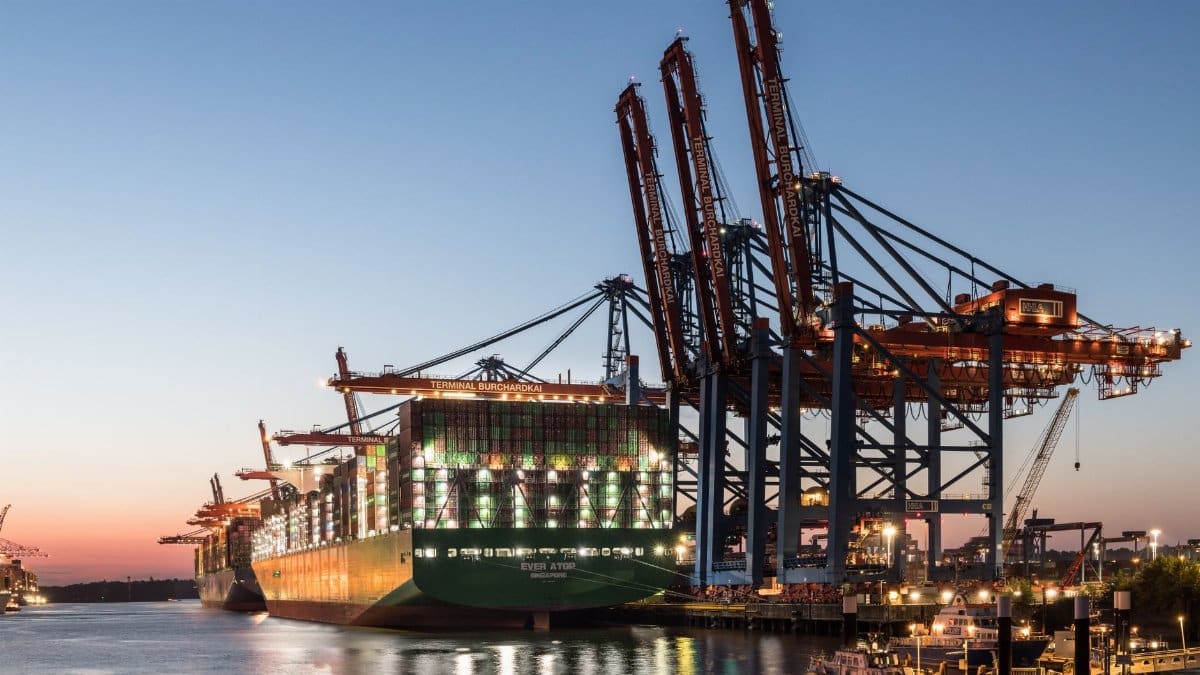
Other countries have observed the developments with interest given interconnected markets worldwide. Similar disputes elsewhere have sometimes led to wider adjustments in sourcing and investment patterns. Canada Tariffs serve as one example of how policy choices can influence multiple continents.
Possible Paths Toward Resolution

Negotiators may seek compromises through existing forums or direct talks. Both governments have incentives to limit damage to key industries and preserve overall growth. History shows that even sharp disagreements can give way to renewed agreements when conditions align.
Looking Ahead at Economic Indicators

Future reports on employment trade volumes and prices will offer insight into the real world consequences. Policymakers and citizens alike will track these numbers to gauge whether the current approach delivers intended results or requires adjustment. Canada Tariffs remain a central topic in those evaluations.