
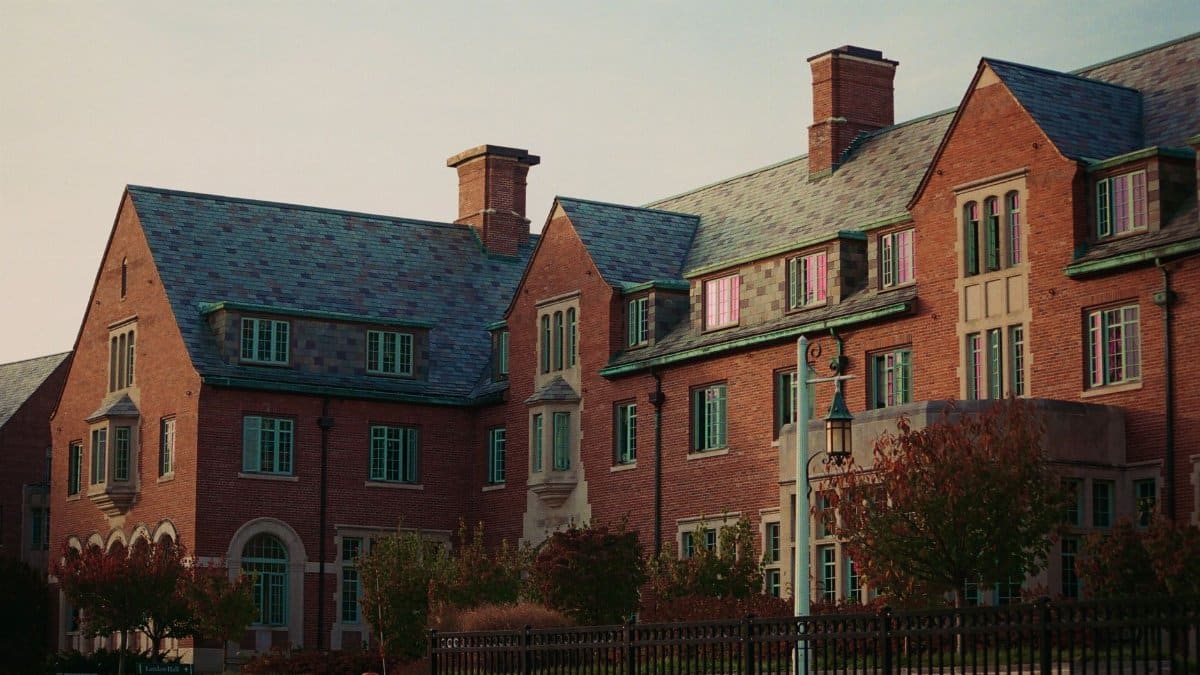
The selection of a new leader at a flagship public research university often signals broader shifts in higher education priorities. With enrollment patterns evolving and public funding under scrutiny nationwide, such decisions draw attention from alumni, faculty and state officials alike. The University of Michigan has now named its U-M next president in a move that brings an experienced academic administrator from another prominent institution to Ann Arbor.
Profile of the Incoming Leader
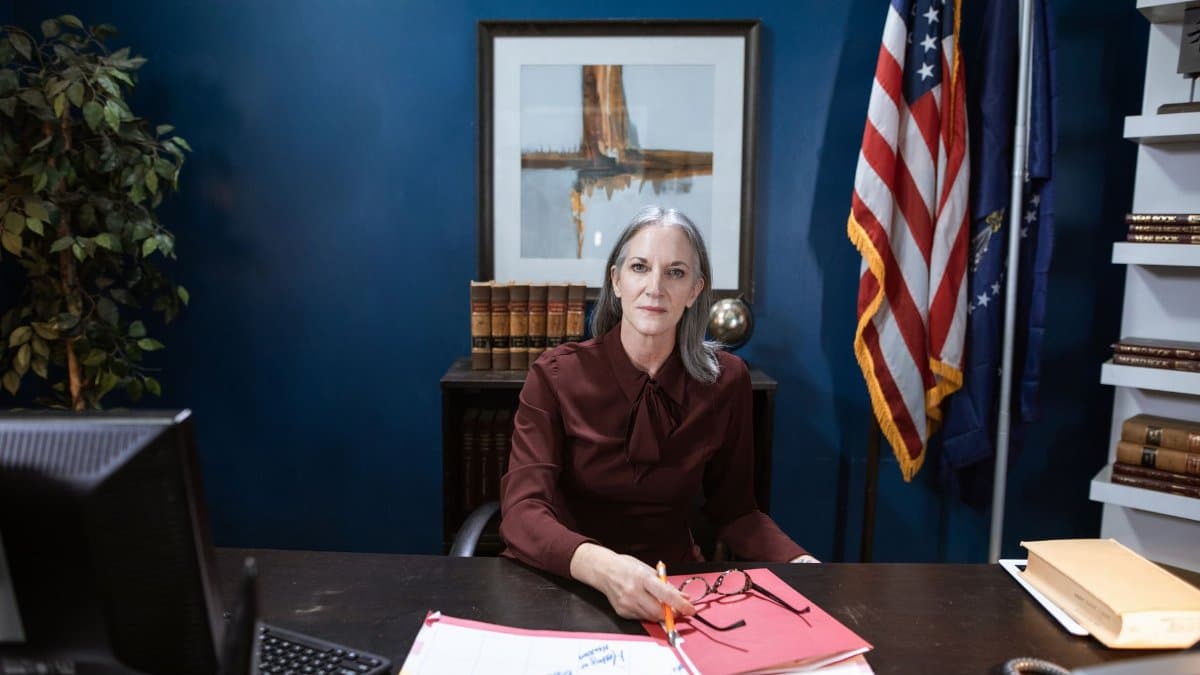
C. Cybele Raver currently serves as provost at Vanderbilt University where she has overseen academic programs and research initiatives. Her background includes extensive work in child development studies and university administration roles that emphasize interdisciplinary collaboration. Observers note her record of fostering partnerships between academic departments and external organizations focused on community outreach.
Reasons Behind the Choice

University regents evaluated several candidates during a search process that lasted several months. Factors included experience managing large budgets, navigating state relations and addressing student concerns on issues such as affordability and campus climate. Raver stood out for her ability to balance research growth with teaching excellence across diverse fields.
Campus Reactions and Expectations

Faculty members have expressed cautious optimism about the transition. Some highlight the potential for fresh perspectives on curriculum development while others stress the need to maintain longstanding traditions of academic freedom. Student groups plan forums to discuss priorities like mental health services and sustainability efforts once the new president assumes duties.
Challenges Facing the Institution
Like peer universities the University of Michigan contends with rising operational costs and debates over admission policies. External pressures from lawmakers and donors add complexity to decision making. The incoming leader will need to build consensus among varied stakeholders to advance strategic goals in teaching and research.
Connection to Vanderbilt Experience

Raver brings insights from her time at Vanderbilt where enrollment expanded and new centers for innovation were established. Those efforts involved careful resource allocation and engagement with local communities. Similar approaches could translate to Ann Arbor settings where economic ties to the state remain vital.
Historical Context of Past Selections

Previous presidents at the University of Michigan have come from both internal ranks and external institutions. Each appointment reflected the era’s dominant concerns whether expanding access or strengthening research output. This latest choice continues that pattern of adapting to contemporary demands in public higher education.
Role of the Board of Regents

The governing board played a central part in finalizing the appointment after reviewing extensive candidate materials. Public meetings allowed input from university constituents before a vote. This transparent element underscores the accountability expected from leadership at a taxpayer supported institution.
Potential Impact on Academic Programs

Early indications suggest continued support for science and engineering fields alongside humanities and social sciences. The new president may encourage joint initiatives that address societal challenges such as public health and environmental policy. Faculty anticipate opportunities to secure additional grants through strengthened networks.
Broader Trends in Higher Education Leadership

National searches for university presidents increasingly prioritize administrative experience over pure scholarly achievement. Candidates often demonstrate skills in fundraising and crisis management. The current case aligns with this shift while still valuing deep academic roots.
Alumni and Donor Perspectives
Graduates scattered across professions have followed the announcement with interest. Many view the choice as an opportunity to enhance the university reputation on a national stage. Donors may respond positively to plans that emphasize innovation and student success metrics.
Future Vision and Strategic Planning

Raver has spoken in general terms about building inclusive environments that support all learners. Detailed plans will emerge after she begins her tenure and consults with campus groups. Observers expect emphasis on data driven approaches to improve retention and graduation rates.
Media Coverage and Public Interest

Local and national outlets have reported on the appointment highlighting the cross institutional move. Coverage often places the story within ongoing conversations about university governance. Public interest remains high given the institution scale and influence.