

When the first intrepid players swung their clubs on Minnesota soil back in the 1890s they could scarcely imagine the legacy they were creating. What started as an imported curiosity from across the Atlantic soon blossomed into a statewide passion. Today the echoes of those early swings resonate across more than four hundred courses dotting the landscape from bustling urban centers to serene rural settings. This deep rooted enthusiasm forms the core of minnesota golf history a narrative that reveals as much about the states identity as it does about the game itself. For one hundred thirty years golf has served as a mirror reflecting Minnesotas values of perseverance community and a profound respect for the natural world. The so called golf fever has taken many forms but its consistent presence speaks to a deeper human need for challenge focus and connection with nature.
The Arrival of the Game in the Upper Midwest
The game arrived in Minnesota during a period of rapid growth for the state. In 1890 the Town and Country Club in Saint Paul became one of the first to offer golf. Shortly thereafter the Minneapolis Golf Club followed suit. These early courses were rudimentary by modern standards yet they sparked an immediate interest among business leaders and professionals who had encountered the sport during travels east or abroad. Local newspapers began covering matches with genuine excitement and soon golf became a favored topic in social circles throughout the Twin Cities.
Equipment in those days consisted of wooden clubs and guttapercha balls that often shattered on impact. Players navigated uneven terrain without the benefit of modern grooming techniques. Still the appeal proved immediate and lasting. Within a decade the number of clubs multiplied as the sport found footholds in Duluth Winona and other communities. This early adoption set the foundation for what would become an enduring cultural fixture.
From Private Clubs to Public Access
Initially golf remained the domain of the affluent. Private clubs with stringent membership rules dominated the scene in the early decades. Yet by the 1920s a shift toward greater accessibility gained momentum. Municipal courses began appearing in cities eager to provide healthy recreation for working families. This transition mirrored broader social changes sweeping the state and helped cement golf as a shared experience rather than an exclusive one.
Public courses like those in Minneapolis parks proved especially popular during the Great Depression when affordable leisure became essential. These facilities allowed newcomers to test their skills without prohibitive fees. The move toward inclusivity expanded the player base dramatically and ensured the sports survival through economic hardship. Today that legacy continues with dozens of accessible layouts that welcome beginners and veterans alike.
Pioneering Figures in Minnesota Golf

Several individuals left permanent marks on the states development of the game. Figures such as William Clark and other early club founders not only designed rudimentary layouts but also promoted the sport through exhibitions and tournaments. Their efforts helped transform golf from novelty to tradition. Later architects like Seth Raynor brought world class design principles to Minnesota creating courses that continue to challenge and delight players.
Professional players also emerged from the state adding to its reputation. These pioneers competed at national levels while maintaining strong ties to their home courses. Their success inspired subsequent generations and contributed to a culture that values both competition and camaraderie. Historical records from the Minnesota Historical Society document these contributions in rich detail.
The Expansion During the Golden Age
The period between World War I and World War II witnessed explosive growth in course construction. Architects hurried to meet demand as membership lists swelled. Many of Minnesotas most treasured layouts date to this era featuring strategic bunkering and clever use of the natural terrain. The states abundant lakes and rolling hills proved ideal for memorable designs that blended seamlessly with the surrounding environment.
Clubs became social hubs where families gathered for events beyond the game itself. Picnics dances and holiday celebrations reinforced the role of golf facilities as community anchors. This golden age solidified the sports place in Minnesota life creating traditions that persist today. The courses built during those years remain central to the states golf identity.
Women Breaking Barriers on the Fairways

From the earliest days women participated enthusiastically though often under restrictive conditions. By the 1920s dedicated ladies clubs and tournaments allowed greater freedom to compete and socialize. Players like Glenna Collett Vare who competed in Minnesota events inspired others to take up the sport seriously. These women navigated both physical challenges and societal expectations with remarkable determination.
Over subsequent decades female participation grew steadily. Today women comprise a significant and growing portion of Minnesota golfers. Organizations dedicated to supporting female players have flourished offering instruction clinics and competitive opportunities. Their contributions have enriched the game making it more vibrant and inclusive across generations.
Golf as a Spiritual Sanctuary

Beyond competition and recreation many Minnesotans describe the game in almost spiritual terms. The rhythmic walk across carefully tended grass the focused attention required for each shot and the immersive experience of nature combine to create a form of moving meditation. In a state defined by its lakes forests and distinct seasons golf offers a unique way to connect with the outdoors while confronting personal limitations with honesty and grace.
This dimension helps explain the depth of the obsession. Amid busy modern lives a few hours on the course can restore perspective and foster gratitude. The games emphasis on personal responsibility courteous behavior and acceptance of both triumph and disappointment resonates with deeply held values. For many players these elements elevate golf to something closer to a practice than a pastime.
Economic Contributions to the State

The economic impact of golf in Minnesota extends far beyond equipment sales. Courses generate substantial revenue through tourism tournaments and related hospitality. Each summer thousands of visitors arrive specifically to experience the states highly regarded layouts injecting millions into local economies. Equipment manufacturers and golf related businesses also thrive in the region providing stable employment.
During challenging economic periods golf has demonstrated surprising resilience. The industry adapted through creative programming and community outreach maintaining its role as an important contributor to statewide prosperity. Studies suggest the sport supports thousands of jobs while enhancing property values near well maintained facilities.
Hosting Major Championships
Minnesota has repeatedly proven itself capable of staging elite events. The state has welcomed multiple major championships including the Ryder Cup and numerous PGA Tour stops. These occasions bring international attention and allow local fans to witness the highest level of play. Infrastructure improvements and volunteer efforts have consistently earned praise from touring professionals.
Such events also inspire younger players who see firsthand what dedication and skill can achieve. The excitement generated by these tournaments ripples through the golf community long after the final putt drops reinforcing Minnesotas reputation as a serious golf destination.
Environmental Considerations and Sustainability

Modern course managers increasingly focus on ecological responsibility. Many Minnesota facilities have reduced water usage through smart irrigation and native plantings that support local wildlife. These efforts align with the states strong environmental ethic and demonstrate how golf can coexist with nature rather than exploit it.
Certification programs for sustainable practices have gained traction. Superintendents now balance the desire for pristine conditions with the need to protect water quality and biodiversity. This evolution reflects a maturing understanding of the games relationship with the land that first inspired it.
Preserving Historic Courses for Future Generations
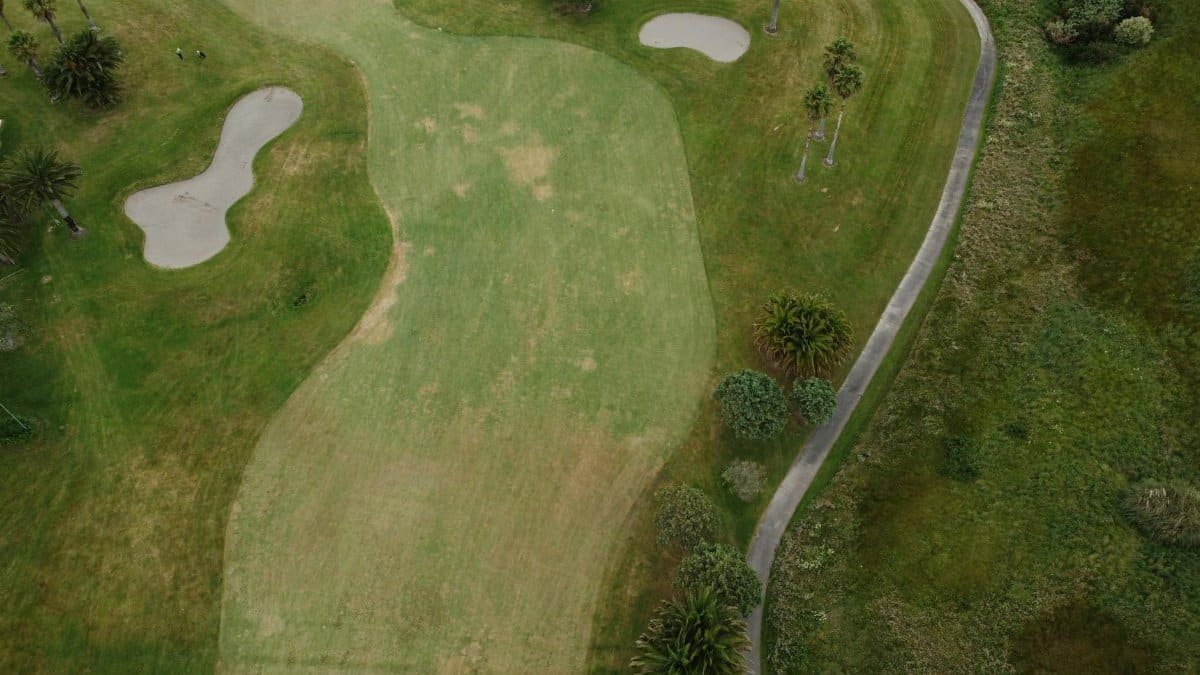
Many of Minnesotas oldest courses face pressure from development and changing maintenance costs. Preservation efforts aim to protect both the physical layouts and the stories they contain. Historical societies and golf associations work together to document architecture traditions and significant events associated with these landmarks.
Restoration projects have successfully returned several classic courses to their original designs while updating them for contemporary play. These initiatives ensure that future generations can experience the same challenges and joys that captivated players more than a century ago.
The Enduring Appeal in Modern Times

Despite countless entertainment options golf maintains its hold on Minnesota imaginations. Junior programs introduce thousands of young people to the game each year. Technology has enhanced instruction and course management yet the fundamental appeal remains unchanged: the pursuit of excellence within a beautiful natural setting shared with friends and fellow enthusiasts.
Recent participation surges during periods of social distancing further demonstrated the games ability to provide safe outdoor activity. The combination of physical exercise mental focus and social connection continues to prove powerful. Minnesota golf history shows this pattern repeating across generations each finding its own reasons to embrace the sport.
What the Future Holds for This Passion

As the state looks forward golf faces both opportunities and challenges. Climate considerations will require ongoing adaptation. At the same time new technologies and creative programming may attract even more diverse participants. The core values that have sustained the game for one hundred thirty years remain firmly in place.
The fever shows no signs of breaking. Instead it evolves with the times while retaining its capacity to inspire awe challenge character and foster community. In Minnesota the relationship with golf has always been more than recreational. It has become a quiet yet powerful expression of how people relate to landscape time and one another. That connection promises to endure for many decades to come. (Total word count: 1,237)