
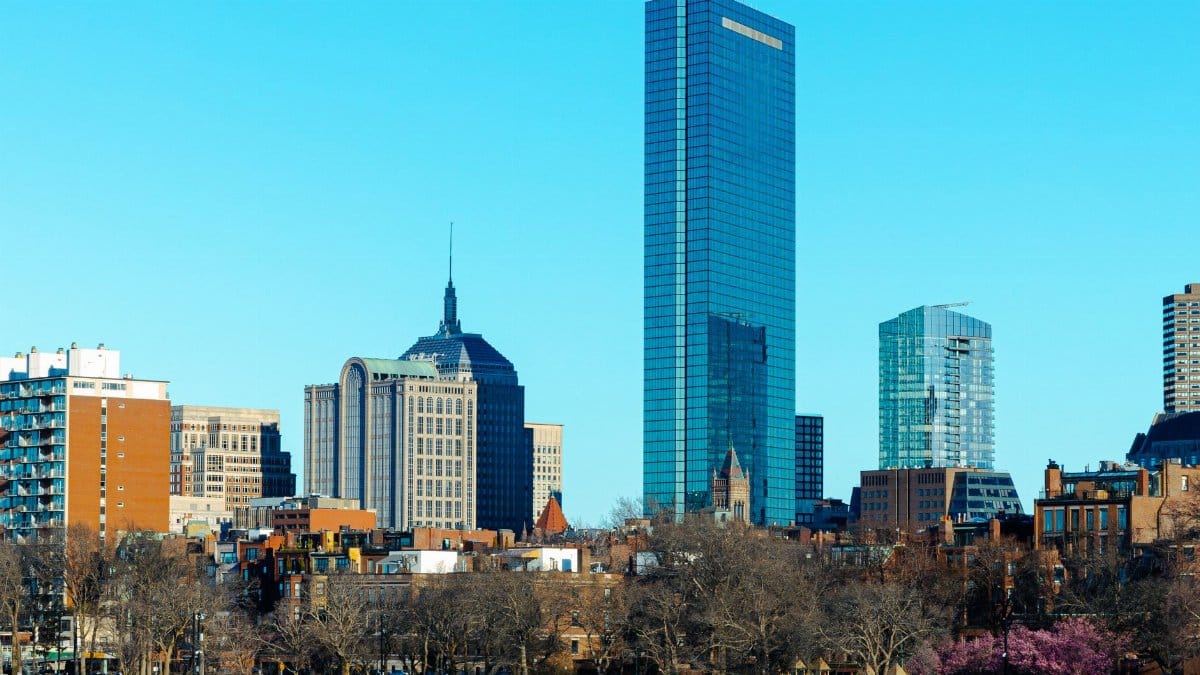
The bell at a charter high school in Dorchester does not care that a lesson plan was written on a university campus. It rings, chairs scrape, and a room of teenagers looks up at whoever is holding the marker. This fall that person will often be a senior from the University of Massachusetts Boston, paired with a classroom teacher and sent to talk about air, food, sleep, vaccines, and the maps of illness that hang over certain blocks more heavily than others. City hall has given the experiment a compact name. Wu UMass public health is the partnership that will place those seniors in three Boston charter high schools, with Mayor Michelle Wu’s office lending political cover and the campus lending students who are close enough to graduation to teach, and close enough to their own city to recognize the streets outside the window.
A classroom job with a city name

The partnership is narrower than a citywide curriculum rewrite and wider than a one day guest lecture. University seniors will return to the same rooms across a semester, planning units with faculty and leading portions of class on topics that public health schools usually save for college. They are not licensed teachers. They will not grade in place of the adult of record. The design, as campus and city staff have described it, keeps the certified teacher in charge of discipline, assessment, and the final say on what is appropriate for minors.
That boundary is the whole point of Wu UMass public health. A senior can explain how a zip code predicts asthma visits without turning a classroom into a clinic, and can walk through an outbreak story without collecting anyone’s medical history. The promise, if it holds, is repetition: the same university student, the same high school group, enough weeks for trust, and enough structure that novelty does not substitute for a syllabus.
Why these lessons belong in high school
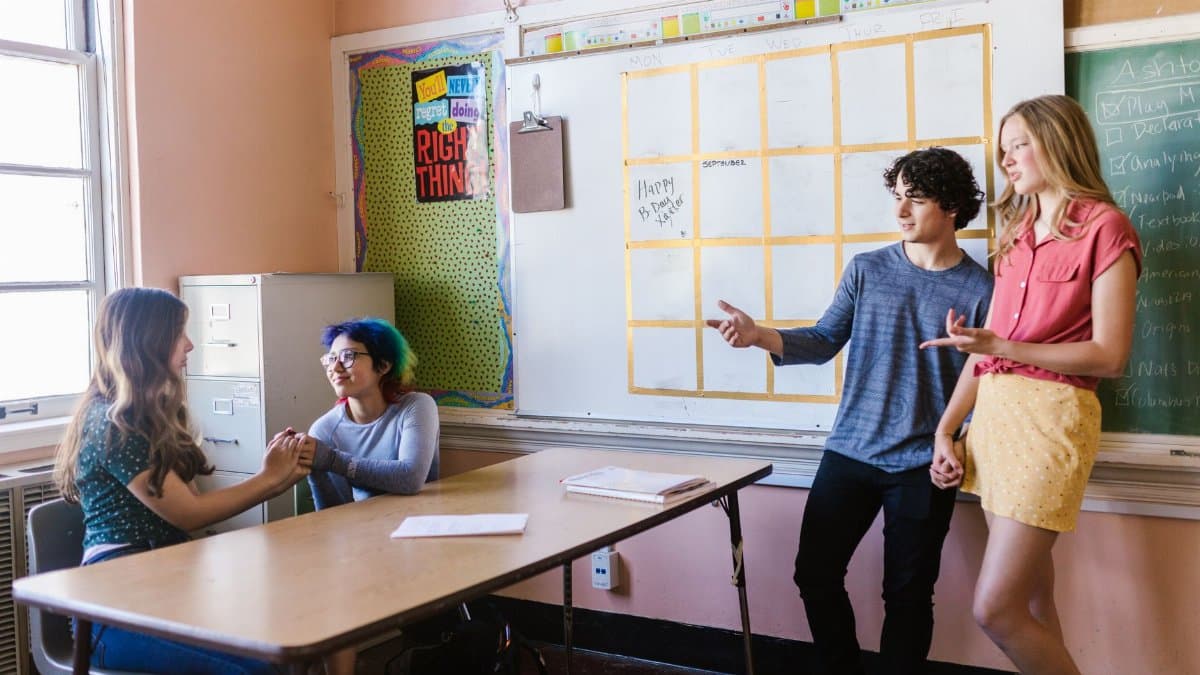
Public health is often treated as a profession you enter after a bachelor’s degree, or as a set of posters in a nurse’s office. Teenagers already live inside its subject matter. They ride buses through traffic corridors. They watch relatives manage diabetes. They argue about vaccines at lunch tables with more feeling than footnotes. A high school unit can give that lived knowledge a vocabulary: exposure, prevention, disparity, protection of a group, and the difference between a personal choice and a shared condition.
Boston has spent years talking about those shared conditions in hearings and budget documents. Putting the conversation in charter high schools does not replace housing policy or clinic access. It does something quieter. It treats adolescents as people who can read a chart, question a headline, and leave school able to explain why one block has more inhalers than another. For a city that asks residents to trust institutions, that kind of literacy is not a luxury elective.
Seniors who are almost colleagues

UMass Boston has long drawn students who work, commute, and stay in the region after graduation. A senior in a public health or related major is often not a visitor from elsewhere. She may have attended a Boston school herself. He may be the first in a family to reach a university lecture hall. That proximity is the pedagogical bet. A 21 year old who still remembers the metal detector and the early bus can translate a college concept without the distance that sometimes creeps into guest speakers from downtown towers.
The risk is the mirror image of that closeness. Seniors are still students. They can overexplain. They can freeze when a class goes sideways. They can confuse enthusiasm for expertise. The partnership will succeed only if faculty treat them as apprentices with a real assignment, not as inspirational decoration. Office hours, observed lessons, and a clear chain of command are dull details. They are also the difference between a pilot and a stunt.
Three charter schools and three street grids
The program will enter three Boston charter high schools rather than the entire district. That choice keeps the first year small enough to supervise. It also invites a fairness question. Charter schools already operate under a different governance structure than traditional district schools. Families who chose them, or who landed on a wait list, are not a random slice of the city. If the richest conversations about health happen only inside three buildings, the pilot can look like another advantage clustered where organizers already have partners.
City officials can answer that charge by publishing which schools were selected and why, and by saying plainly whether district high schools are next. Neighborhoods are not interchangeable. A lesson on coastal flooding and mold lands differently in a building near the water than in one inland. A lesson on food prices lands differently where a supermarket closed. The three street grids should shape the units, not receive a generic slide deck with the school name swapped on the title page.
The mayor’s stake in a teaching experiment

Michelle Wu has built much of her political identity around the claim that city government should meet people where they live, including in classrooms. Backing university students as public health instructors extends that claim into a place mayors do not fully control. Charter boards hire principals. The university awards credit. The mayor can convene, fund a slice of coordination, and attach her name. She cannot, by press release, make a lesson land.
Still, names matter in Boston. Wu UMass public health signals that this is not a quiet memorandum between a dean and a principal. It is a civic project with a political owner. That visibility can unlock doors: easier scheduling, a modest budget for materials, attention from agencies that hold asthma and lead data. It can also raise the cost of failure. If the semester feels thin, critics will not blame an anonymous pilot. They will ask what the mayor promised teenagers and whether the campus delivered.
What students will be asked to notice
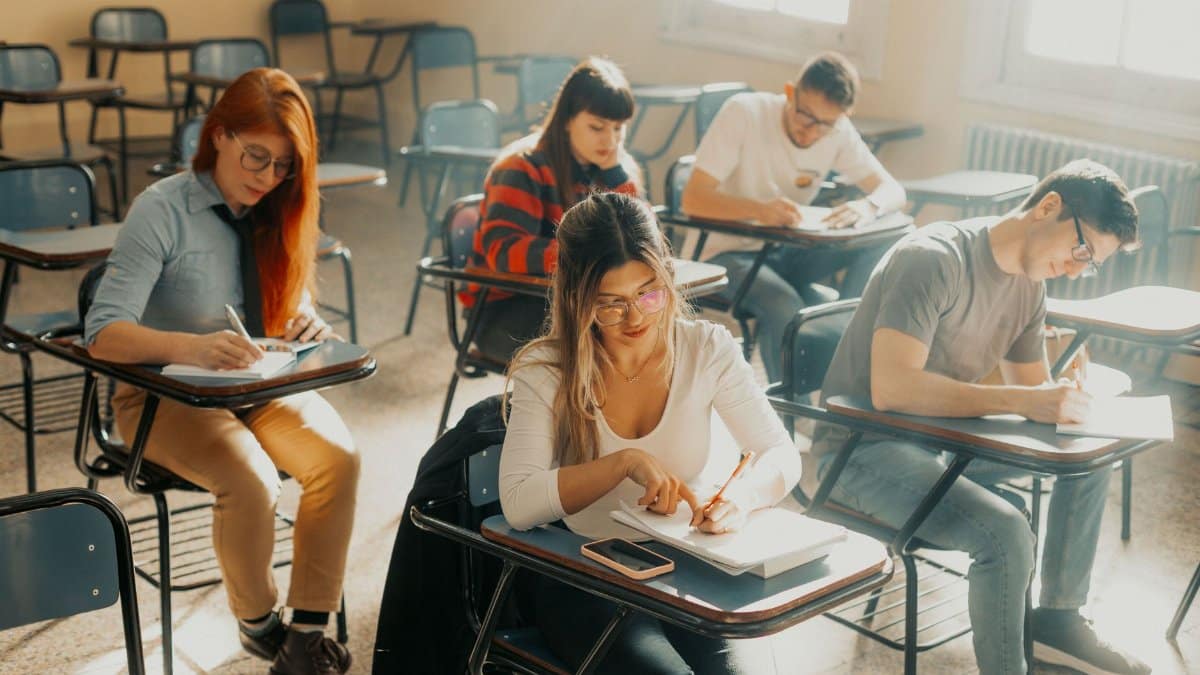
The most useful version of this class will not be a tour of career options, though careers may come up. It will train attention. Students might map clinics against bus lines. They might compare air quality notes with absentee patterns, carefully, without exposing any classmate’s record. They might read a plain language summary of how vaccines work and then practice explaining it to a younger sibling in words that do not shame anyone.
A poster about handwashing is forgettable. A student analysis of why a corner store stocks what it stocks is not. The university seniors will need restraint. The goal is not to recruit every teenager into a health major. The goal is a citizen who can tell a rumor from a pattern, and who can see that a neighborhood condition is not a personal failing.
Preparation before the first bell

Before any senior meets a high school group, the campus owes that senior a rehearsal. Public health content is full of topics that brush against bodies, income, race, and fear. A clumsy sentence about weight, addiction, or immigration status can do harm in a room of sixteen year olds. Training should cover mandated reporting, the ban on giving medical advice, and how to hand a hard question back to the teacher of record.
Content preparation matters as much as conduct rules. A senior who memorized a textbook chapter on epidemiology still needs a lesson plan timed to a forty five minute period, with an opening question, a short explanation, and a task students can finish before the bell. Faculty mentors should watch at least one early session. Feedback should be specific: slow down, define the term, stop talking over the quiet student in the third row. Charisma is not a curriculum.
Parents, consent, and the line around medical talk

Families deserve a letter before the semester starts, in the languages already used by each school. The letter should say who is teaching, what topics are on the calendar, and what will not happen. No one should collect symptoms. No one should require a student to disclose a household illness for a grade. Opting out of a particular discussion should be possible without spectacle.
This is not paperwork for its own sake. Public health education fails when it feels like surveillance. It succeeds when students can examine patterns in the city without being turned into data points themselves. Principals who treat consent as a form to file will miss the point. Principals who treat it as respect will make the university visitors safer and the lessons more honest.
How the city will know if the semester worked
A feel good assembly at the end of term is not an evaluation. The partnership should decide in advance what success looks like. Attendance in the units. Student work that shows they can define a basic concept and apply it to a Boston example. Teacher ratings of whether the senior was prepared. A short survey that asks high school students whether they understand a local health issue better than they did in September, written in language a teenager will actually answer.
Numbers should be published in plain form, including disappointing ones. If Wu UMass public health produces polished anecdotes and no comparable measures, the city will have learned only that a press event is easier than a classroom. If the measures improve, the argument for a second year writes itself. Either result is more useful than a ribbon.
Labor, credit, and the risk of free teaching

There is an ethical snag underneath the idealism. High school faculty are professionals. University seniors need experience. If the arrangement quietly shifts instructional labor onto unpaid or lightly paid students, it will breed resentment on both sides. Seniors should receive credit that counts, supervision that is real, and, where the budget allows, a stipend that respects the hours. Teachers who host them should receive time to plan, not an extra duty dropped in a Friday email.
UMass Boston’s identity as a working campus makes this point sharper. Many seniors already hold jobs. Asking them to travel to a charter school twice a week for the sake of a mayoral initiative, without adjusting their load, is a good way to select only the students who can afford the commute. A public health partnership that ignores the strain on its own teachers in training would be an irony worth avoiding.
A template other districts may copy

Other cities will watch, because the scarcity is familiar: not enough public health educators in secondary schools, plenty of university students who need practice, and mayors looking for visible projects that cost less than a new clinic. A readable model from Boston could travel. It would include the teacher of record rule, the consent letter, the local data exercises, and the refusal to let visitors practice on children without observation.
Copying the name would be the wrong lesson. Wu UMass public health works as a label only because a particular mayor, a particular campus, and three particular schools accepted a shared risk. Another city can borrow the structure. It cannot borrow the relationships. The useful export is a checklist and a dose of humility, not a slogan.
Questions that should stay open
Several questions should remain on the table after the first semester. Should district high schools join, and on what timeline? Who owns the lesson materials when a senior graduates? What happens if a topic collides with a family’s beliefs about medicine? How will the city prevent the program from becoming a brief flourish that vanishes when a grant ends or an election cycle turns?
None of those questions is an argument against starting. They are an argument against pretending the start is the achievement. Teenagers in three Boston charter high schools will spend hours with university seniors talking about the conditions that shape a life in this city. If the adults around them stay curious, honest about limits, and willing to publish what they learn, the experiment can earn the attention it is about to receive. If they do not, it will be another well intentioned visit that students remember mainly for the novelty of a new face at the board.