
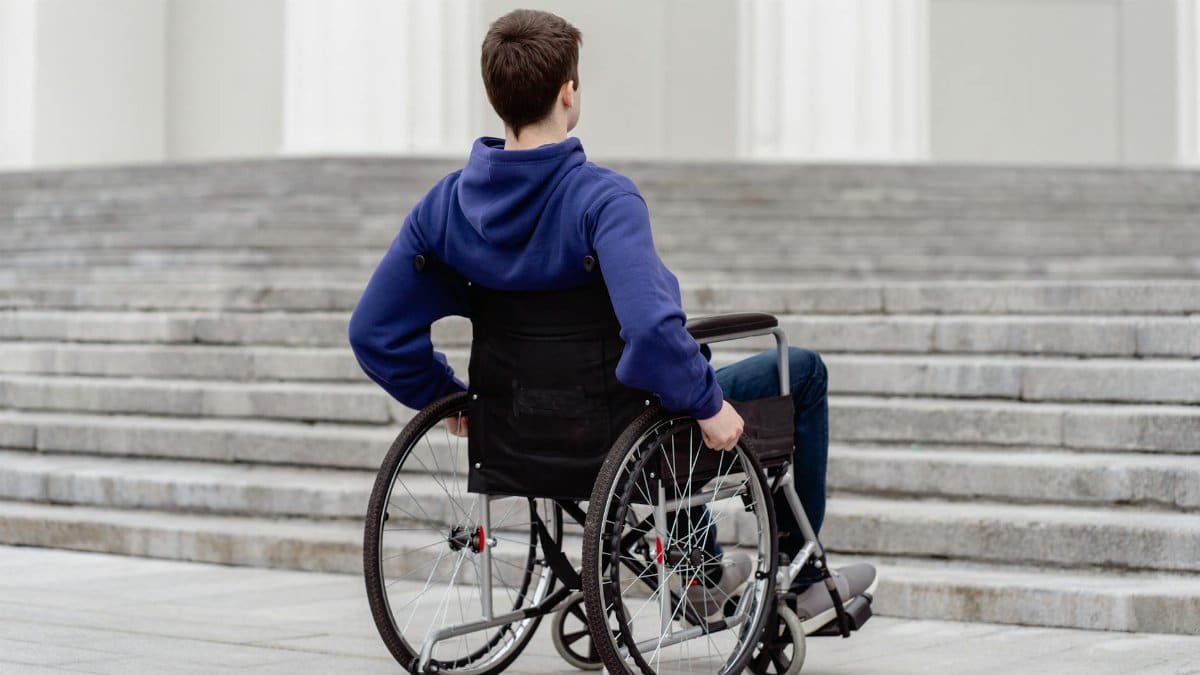
When the first light filters through the curtains in homes across Britain many begin their day with quiet calculations most never consider. A journey to the local shop might require scouting accessible routes in advance. A simple meeting with friends could transform into a test of endurance and patience. This is the reality illuminated by a major UK wide survey that asked ten thousand people with disabilities about disability everyday barriers. The research conducted across England Scotland Wales and Northern Ireland exposes how these obstacles reach beyond inconvenience to affect mental wellbeing access to opportunity and even a sense of connection to the wider community. Respondents shared stories that reveal both the resilience of the human spirit and the urgent need for societal change. The scale of the project offers rare depth into experiences that too often remain hidden from public view.
The Scale of This Ambitious Project

Organizers designed the survey to capture a truly representative snapshot of life with disability in the United Kingdom today. Working with advocacy organizations and mental health platforms including Happiful researchers gathered responses from every region and from people with a wide range of conditions. The ten thousand participants included those with mobility challenges chronic illnesses sensory differences and neurodivergent traits. Such breadth allows the data to move past anecdotal evidence and demonstrate clear patterns. Nearly three quarters of those surveyed reported that disability everyday barriers appear multiple times each week. The findings link these repeated frustrations directly to higher levels of anxiety and diminished life satisfaction. Analysts have made the full dataset available for further study at Happiful news archives.
Physical Hurdles in Everyday Environments

Many public buildings still present basic design flaws that create immediate problems. Narrow doorways absent ramps and poorly placed counters turn routine errands into ordeals. One respondent from Birmingham described needing to wait outside supermarkets until a stranger offered help with a heavy door. Pavements with unexpected cracks or lack of dropped curbs force detours that add considerable time and physical strain. The survey found that seventy one percent of participants avoid certain shops or services entirely because of these issues. This self exclusion ripples outward reducing economic activity in local areas and limiting personal independence. Architects and planners are now being called upon to view accessibility as fundamental rather than an afterthought.
Challenges Within Transportation Networks

Trains buses and taxis remain unreliable for a significant portion of disabled travelers. Guarded gaps between platforms and train cars create genuine safety risks. Bus drivers sometimes pull away from stops despite seeing a person using a mobility aid approach. The research shows that unreliable transport leads many to cancel medical appointments or social visits. Rural participants faced even steeper problems with infrequent services and vehicles that lack proper equipment. These transportation shortcomings do more than frustrate. They isolate people from employment education and the simple joy of spontaneous outings. Campaigners argue that consistent enforcement of existing laws could ease many of these daily pressures.
Barriers Inside the Workplace
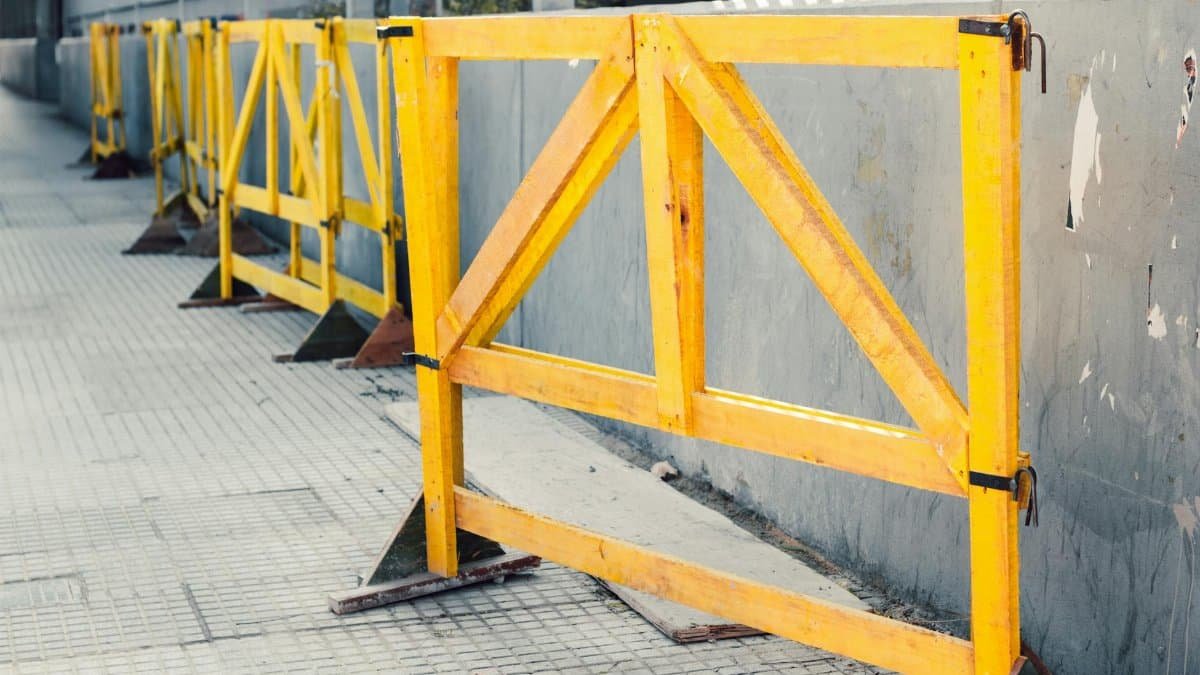
Employment rates for disabled adults lag well behind the general population and the survey offers fresh insight into why. Flexible working arrangements remain rare despite clear evidence that they benefit both employees and companies. Many workplaces lack adjustable furniture or quiet spaces for those who need them. Interview processes often favor able bodied candidates through subtle biases in how questions are framed. Over half the respondents who wanted to work said they had encountered discriminatory attitudes during recruitment. The data suggests that genuine inclusion requires more than legal compliance. It demands cultural shifts that value diverse ways of thinking and moving through the professional world.
The Weight of Social Perceptions

Attitudinal barriers can prove as limiting as physical ones. Strangers offering unwanted pity or speaking to companions instead of directly to the disabled person creates daily indignity. The survey captured numerous accounts of social withdrawal after repeated encounters with condescension or disbelief about invisible conditions. Friends and family sometimes underestimate the energy required for basic activities leading to further isolation. These experiences accumulate and erode confidence over time. The research highlights how societal assumptions about productivity and normalcy continue to marginalize large groups of people who possess valuable perspectives and talents.
Effects on Mental Wellbeing and Spiritual Life

The constant navigation of disability everyday barriers takes a measurable toll on emotional and spiritual health. Feelings of exhaustion and helplessness appeared frequently in the responses. Many described a loss of connection to their sense of purpose when external obstacles repeatedly thwart their intentions. Spiritual practices such as meditation or attendance at faith communities become harder when venues are inaccessible or when fatigue dominates the day. The survey partners with Happiful noted strong correlations between frequent barriers and elevated rates of depression. Yet some respondents also spoke of deeper resilience forged through these trials. They found meaning in advocacy and in small acts of communal kindness that reaffirmed their worth.
Technology and Digital Exclusion

Online services promised convenience but often delivered new obstacles. Websites with poor contrast small text or complex navigation exclude users with visual or cognitive differences. Government portals for benefits and healthcare frequently fail basic accessibility tests. During the pandemic this digital divide left many without vital support. The research indicates that forty eight percent of participants needed assistance to complete essential online forms. As more services shift exclusively to digital formats the consequences could intensify. Developers must prioritize inclusive design from the beginning rather than patching problems later.
The Power of Community and Inner Strength

Despite the obstacles many participants credited local support networks with preserving their sense of belonging. Faith groups disability led organizations and informal circles of friends provided practical help and emotional sustenance. These connections nurtured spiritual wellbeing even when larger society fell short. Stories emerged of neighbors creating informal networks to share transport or accompany others to appointments. Such grassroots efforts demonstrate that compassion expressed in concrete ways can counteract the isolating effects of systemic failure. The survey suggests that strengthening community infrastructure may prove as important as changing laws.
Personal Stories From the Respondents

The quantitative data gains texture through individual testimonies. A teacher from Cardiff spoke about fighting for classroom adjustments that should have been automatic. A retired accountant in Glasgow detailed how inaccessible banking apps forced him to rely on his adult daughter for every transaction. Their words convey both the weariness and the determination that characterize life alongside persistent barriers. One participant summarized the collective mood by noting that society seems to view disabled people as problems to solve rather than citizens with equal rights. These narratives remind readers that behind every statistic stands a person seeking dignity and participation.
Recommendations for Policymakers

Researchers urge immediate action on several fronts. First they call for stricter enforcement of accessibility standards with meaningful penalties for noncompliance. Second they recommend increased funding for retrofitting existing buildings and transport fleets. Third they advocate comprehensive training for public servants and business owners on interacting respectfully with disabled citizens. The report also suggests integrating disabled voices into all levels of decision making. Without such inclusion policies risk missing the practical realities that shape daily life. Several members of parliament have already pledged to review the findings in upcoming debates.
Building a Society That Includes Everyone

True progress requires more than ramps and wider doors. It demands a cultural evolution toward genuine welcome. Cities could adopt universal design principles that benefit every resident including parents with pushchairs and older citizens with reduced mobility. Businesses might discover that accessible practices expand their customer base and unlock new talent pools. The survey data makes clear that removing disability everyday barriers would enrich communal life for all. Middle aged readers who increasingly encounter their own health limitations may recognize that accessibility today shapes the world they will inhabit tomorrow.
The Spiritual Lessons in Overcoming Adversity

Many respondents located unexpected gifts within their struggles. The necessity of asking for help fostered humility and deeper relationships. Facing repeated barriers cultivated patience and creativity that enriched their inner lives. Some described their journeys as spiritual paths that taught them to value presence over productivity. These insights align with longstanding wisdom traditions that view adversity as a teacher rather than merely an enemy. The survey ultimately carries a hopeful message. When communities commit to inclusion they participate in a form of collective healing that lifts the spirit of the entire nation. Small changes multiplied across thousands of daily interactions could transform Britain into a place where every person feels truly at home.
The ten thousand voices in this study have delivered a clear invitation. Society possesses both the resources and the moral imperative to dismantle needless obstacles. The question now is whether the public and its leaders will listen and act with the compassion these stories deserve. Lasting change will arrive not through grand declarations but through consistent attention to the countless small moments that make up everyday life.