

Many families across Britain find themselves caught in a daily struggle over screen time and its effects on growing minds. Concerns about anxiety and distraction have prompted policymakers to consider strict measures. One significant proposal involves the UK Social Media Ban for those under sixteen years old. This idea has sparked debates about freedom and protection in equal measure as society weighs the value of digital connection against the need for real world growth.
Legislative Background and Details
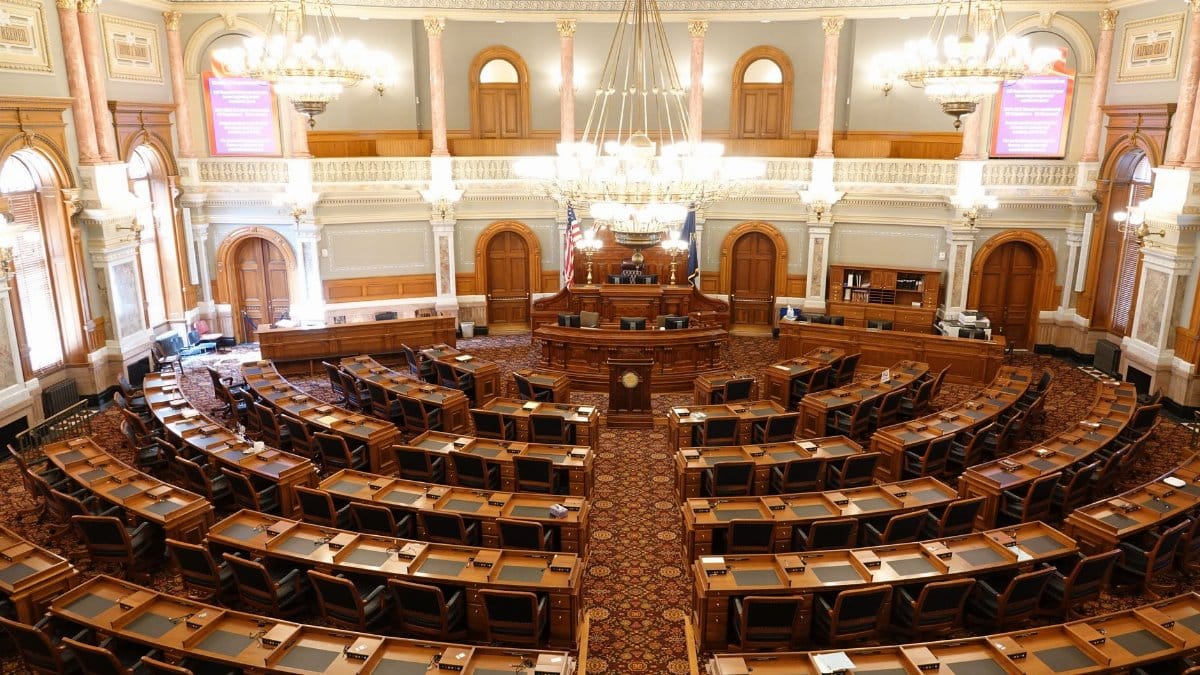
The measure targets popular platforms and aims to limit exposure during formative years. Officials argue that early intervention could reduce the risks associated with constant online engagement. Discussions in parliament have highlighted enforcement challenges such as age verification and platform compliance. Proponents believe the approach draws from evidence showing how prolonged use correlates with sleep disruption and mood changes among the young.
Potential Benefits for Mental Health
Advocates point to reduced pressure from curated images and instant feedback loops. Without constant comparison young users might experience steadier self esteem and greater focus on offline activities. Some psychologists suggest this shift could lower rates of reported depression and foster resilience through direct interactions. Families might notice calmer evenings once devices lose their central role in daily routines.
Challenges in Implementation

Technical barriers remain significant since many adolescents already possess accounts created with false ages. Platforms would need robust systems to confirm identities without invading privacy. Critics warn of workarounds that could drive usage underground and reduce parental oversight. International data flows further complicate efforts to enforce rules across borders.
Impact on Social Connections

Young people often rely on these tools to maintain friendships across distances and time zones. A sudden cutoff might isolate those in rural areas or with limited mobility. Yet the absence of digital mediation could encourage more face to face gatherings and stronger local ties. Communities might see renewed interest in clubs and sports as alternatives emerge naturally.
Views from Parents and Experts

Many parents welcome the idea as relief from constant monitoring duties. They describe evenings free from arguments over notifications and endless scrolling. Experts in child development stress the importance of gradual transitions rather than abrupt changes. They recommend combining restrictions with education on healthy habits to prepare adolescents for eventual access.
Comparisons with Other Countries

Nations such as Australia and parts of Europe have tested similar limits with mixed outcomes. Some report drops in certain behavioral issues while others note persistent access through shared family accounts. These cases offer lessons on balancing protection with practical realities of modern life. Observers suggest tailored approaches work better than uniform rules applied everywhere.
Alternatives to Complete Restriction

Options include time limited modes and content filters designed with input from educators. Schools could integrate digital literacy programs that emphasize mindful engagement over avoidance. Family agreements on usage boundaries might achieve similar goals without full prohibition. Such methods allow growth in responsibility while addressing core worries about wellbeing.
Future Prospects for Young People

Over time the conversation may evolve toward shared responsibility among tech firms families and schools. The UK Social Media Ban represents one step in a broader effort to reclaim childhood from commercial interests. Success will depend on support systems that help young individuals build inner resources and real connections. Observers expect ongoing adjustments as new evidence emerges about digital effects on development. The UK Social Media Ban could set precedents felt across generations if implemented thoughtfully and reviewed regularly.