
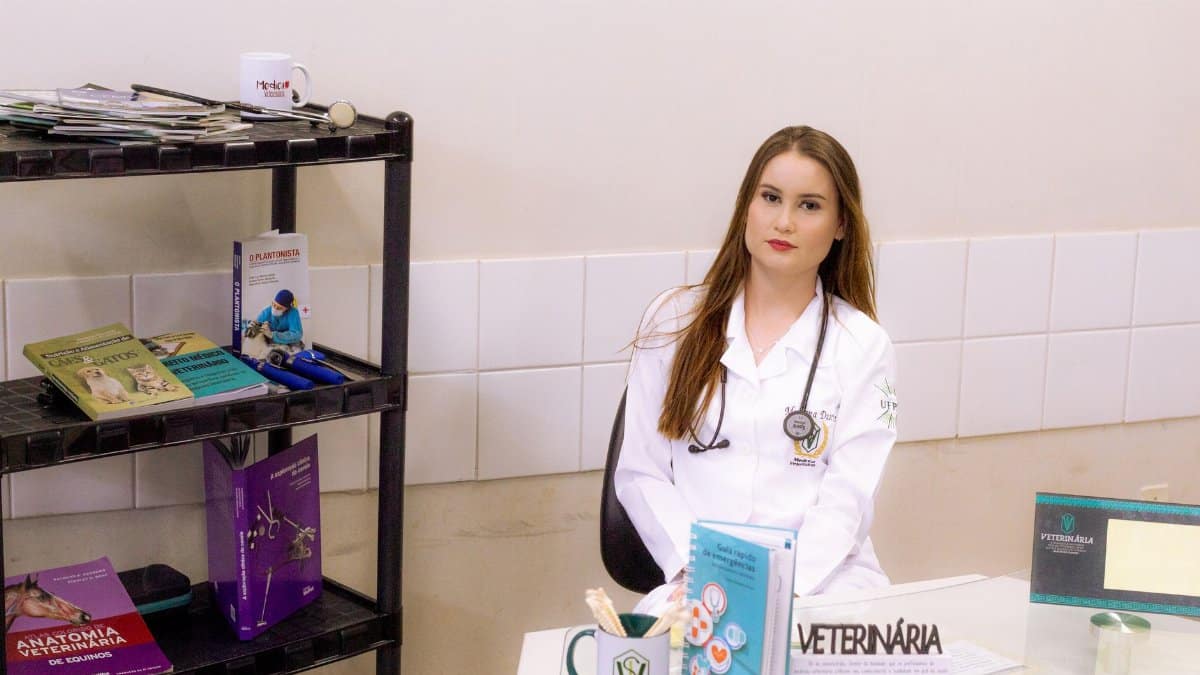
The procedure room is already bright when the first patient is carried in, a small dog with a clipped flank and a paper tag that says more about housing than about pedigree. A clinician stands at the shoulder of the table and talks through the next movement in a steady voice, just loud enough to clear the hum of the anesthesia machine. There is no simulation skin here, and no rewind button. At the Woodbury Animal Humane Society, veterinary students from the University of Minnesota are learning surgery on animals that still need a home.
A classroom that smells like antiseptic
Shelter medicine has always been a proving ground, though many people outside the profession still picture veterinary training as a sequence of lectures, models, and carefully staged labs. Those pieces matter. Anatomy has to be learned before a blade is trusted. What a shelter rotation adds is consequence. The animal on the table is not a case written for an exam. It is a dog, a cat, or a rabbit whose next chapter depends on whether the work is done cleanly, kindly, and on time.
Students arrive with textbooks still fresh in their heads and leave with a different kind of memory: the weight of a limb, the look of tissue that is ready to close, the moment a recovery is no longer theoretical. Faculty and shelter clinicians share the room. The point is not to turn novices into solo surgeons in a week. The point is to let them practice judgment while someone experienced is still close enough to correct a hand.
Why this rotation exists now

The University of Minnesota College of Veterinary Medicine has long sent learners into clinics, farms, and specialty hospitals. A dedicated stretch of time inside a humane society surgery service answers a more specific need. Shelter animals often need spay and neuter surgery, dental attention, wound care, and the ordinary medicine that keeps a kennel from becoming a bottleneck. Those procedures are exactly the ones new graduates are expected to perform with confidence in general practice.
Volume helps, and so does variety. A student may see a young cat in the morning and a senior dog in the afternoon, then spend part of the day on a rabbit whose anatomy does not match the diagrams that dominated earlier coursework. The Woodbury partnership gives the college a reliable stream of patients and gives the shelter extra surgical capacity. Both sides describe the arrangement as practical rather than charitable theater. Animals move toward adoption. Students move toward competence.
What the days actually contain
A typical day starts before the first incision. Students review records, examine patients, and talk through anesthetic plans. They learn which animals can wait and which cannot. They learn how a shelter schedule bends when a recovery runs long. In the operating room they gown, glove, and take assigned roles that rotate from assisting to performing portions of a procedure under direct supervision.
After surgery the work does not end at the last suture. Recovery, pain control, and clear notes matter as much as the operation itself. A missed temperature or a vague discharge instruction can undo a careful surgery. Clinicians press students to say what they see, not what they hope is true. That habit is harder to teach in a lecture hall, where the chart is already written and the animal is a paragraph.
Dogs, cats, and quieter patients
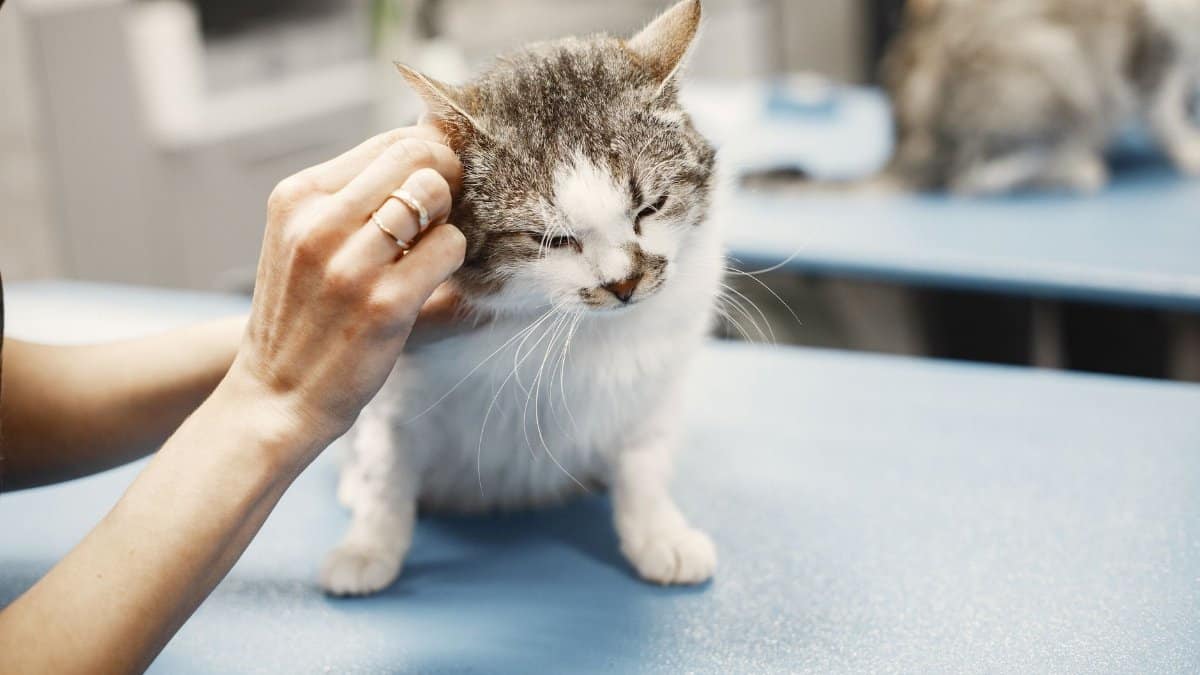
Dogs and cats dominate the public image of shelter care, and they dominate the caseload. They also teach different lessons. A nervous dog may need a slower approach and a tighter plan for restraint that does not become a struggle. A cat may hide pain so well that a student has to trust subtle changes in posture and appetite. Rabbits add another layer. Their size, their response to stress, and their surgical needs ask for a lighter hand and a more precise sense of risk.
None of this is exotic medicine. It is the medicine most communities actually need. Graduates who can handle a routine spay with calm technique, explain aftercare without jargon, and notice when a rabbit is declining will serve clients better than graduates who have only watched those skills on a screen. The shelter is not a lesser classroom. For many procedures it is the more honest one.
The distance between knowing and doing

Veterinary education has grown more demanding as the science has grown. Students master pharmacology, imaging, infectious disease, and the ethics of end of life decisions. They also carry heavy tuition and a job market that expects them to be useful on day one. The gap that worries educators is not ignorance. It is the pause between recognizing a problem and acting on it with steady hands.
A shelter rotation narrows that pause. Repetition builds pattern recognition. A student who has closed a body wall several times under supervision stops treating every stitch as a crisis. A student who has watched an animal wake unevenly learns to stay in the room. Mistakes still happen, as they must in any apprenticeship, but they happen where a senior clinician can intervene. That is the difference between a crash course and a careless one. Speed is not the goal. Supervised repetition is.
What the shelter gains
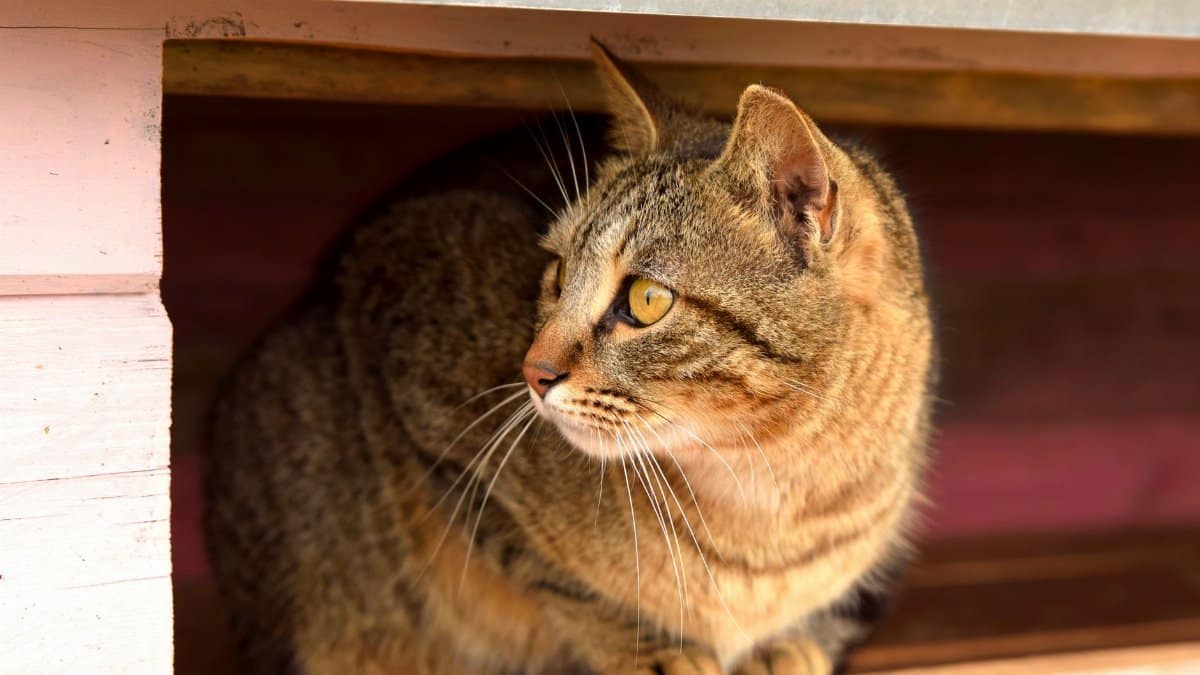
Humane societies measure success in adoptions, length of stay, and the health of animals in their care. Unaltered animals are harder to place. Untreated dental disease and lingering infections keep kennels full. When veterinary students and their instructors add surgical time, more animals can be made ready for homes without pushing staff past safe limits.
There is a second gain that does not show up on a surgery board. Students who spend real hours in a shelter often leave with a clearer sense of who these animals are. They are not leftovers. They are patients with histories that may include neglect, and they are also ordinary pets waiting for ordinary families. That shift in perception matters when those same students later advise clients, speak to city councils, or decide whether to volunteer on a weekend clinic.
Money, debt, and the shape of a calling

It would be dishonest to write about this training as if wonder alone pays the tuition bill. Veterinary school is expensive. Many graduates carry debt that shapes where they work and which cases they feel free to treat at a discount. Shelter rotations do not erase that pressure. They do show students a model of care that is efficient without being cold, and they introduce them to clinicians who have built careers in high need settings.
Some students will never work in a shelter again. They will open suburban practices or join specialty teams. Even then, the rotation leaves a trace. They have seen what it costs, in time and attention, to do routine surgery well. They have also seen animals whose only advocate in the room was the person holding the syringe. That memory is not a substitute for fair pay. It is a check on the idea that competence and compassion are separate skills.
Supervision as the real technology

People like to talk about new tools in veterinary medicine: better imaging, better anesthetics, software that tracks every dose. Those tools matter. In a student surgery service, the decisive technology is still a person who knows when to let a learner continue and when to take the instruments back. Good supervision is specific. It names the error, shows the correction, and then returns the task so the student does not become a permanent assistant.
Shelter clinicians who host learners are teaching twice. They are caring for the animal and training the next person who will care for animals like it. That double duty only works if caseloads stay within what a teacher can watch. A partnership that chases numbers at the expense of oversight would teach the wrong lesson. The Woodbury arrangement, as described by the people building it, is meant to avoid that trap by keeping faculty in the loop and students inside a defined role.
How families on the other side of adoption fit in

The story does not end when the student leaves the building. An adopted dog goes home with a scar, a cone, and a sheet of instructions that a new owner must actually follow. Students who write those instructions learn to imagine a kitchen table, not a hospital ward. Will the owner know what swelling looks like? Will they call if the animal will not eat? Clear language is part of the surgery.
Readers who have adopted from a humane society have already met the downstream side of this training. The calm discharge conversation, the follow up call, the sense that someone competent touched this animal before it reached the car: those are not accidents of kindness. They are skills practiced under pressure, then carried into every clinic that hires a new graduate.
A wider lesson for a crowded profession

Veterinary work is under strain. Clinics book out for weeks. Emergency rooms overflow. Burnout is common enough that students hear about it before they hear about their first paycheck. A rotation that pairs them with shelter animals will not fix staffing shortages or client anger. It can still model a way of working that is bounded, shared, and tied to visible good.
There is a quiet moral claim in that model, and it does not require a sermon. To stand over a patient who cannot consent, and to be corrected when your hands are unsure, is a form of accountability. Many of the veterinary students in Woodbury will remember the clinician who refused to rush them more clearly than they remember any single incision. That memory is a kind of formation. It says the animal counts, the learner counts, and the work is not finished until both have been treated with care.
What to watch as the partnership matures
Early rotations are promises as much as proofs. The useful questions are ordinary ones. Are students getting enough supervised repetitions to feel steadier, not just busier? Are shelter animals leaving surgery with outcomes as good as those handled by staff alone? Are adopters receiving instructions they can use? If the answers stay honest, the University of Minnesota and the Animal Humane Society will have built something sturdier than a photo opportunity.
For now, the scene in the procedure room is simple enough to trust. A student steadies a patient. A teacher watches the hands. An animal that arrived without a home leaves one step closer to one. That is a crash course only in the sense that reality arrives all at once. The learning, if the adults in the room do their jobs, is slow, corrected, and worth the morning.