

After months circling the planet in a confined habitat the international team of astronauts completed their mission with a space station landing on the Kazakh steppe. Their capsule touched down under clear skies bringing six crew members back to solid ground following an extended period of scientific work and daily routines high above the atmosphere. Observers noted the precise coordination between United States and Russian space agencies that made the safe arrival possible even as global relations remain complex. The event drew attention to the human capacity for endurance in extreme environments and the quiet routines that sustain life far from home.
The Mechanics of Orbital Departure
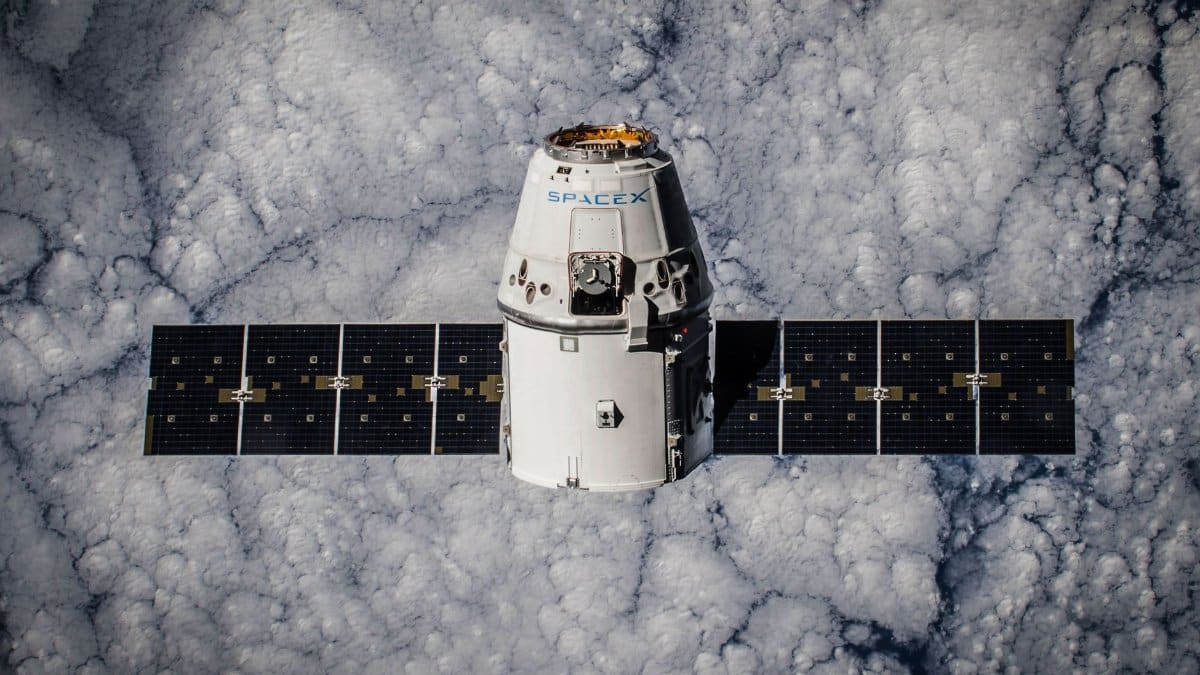
The sequence began with a careful undocking from the station followed by a series of engine burns to lower the orbit. Engineers on the ground monitored every step to ensure the trajectory aligned with the designated recovery zone. Weather conditions in Kazakhstan played a decisive role allowing recovery teams to reach the site quickly once the parachutes opened.
Daily Existence Aboard the Laboratory

Crew members followed tightly scheduled blocks of time devoted to experiments maintenance and exercise. Meals consisted of packaged items that required only rehydration while personal hygiene demanded inventive solutions in weightlessness. Over eight months these patterns became second nature yet each astronaut later described the gradual shift back to gravity as both welcome and disorienting.
Scientific Contributions from the Mission
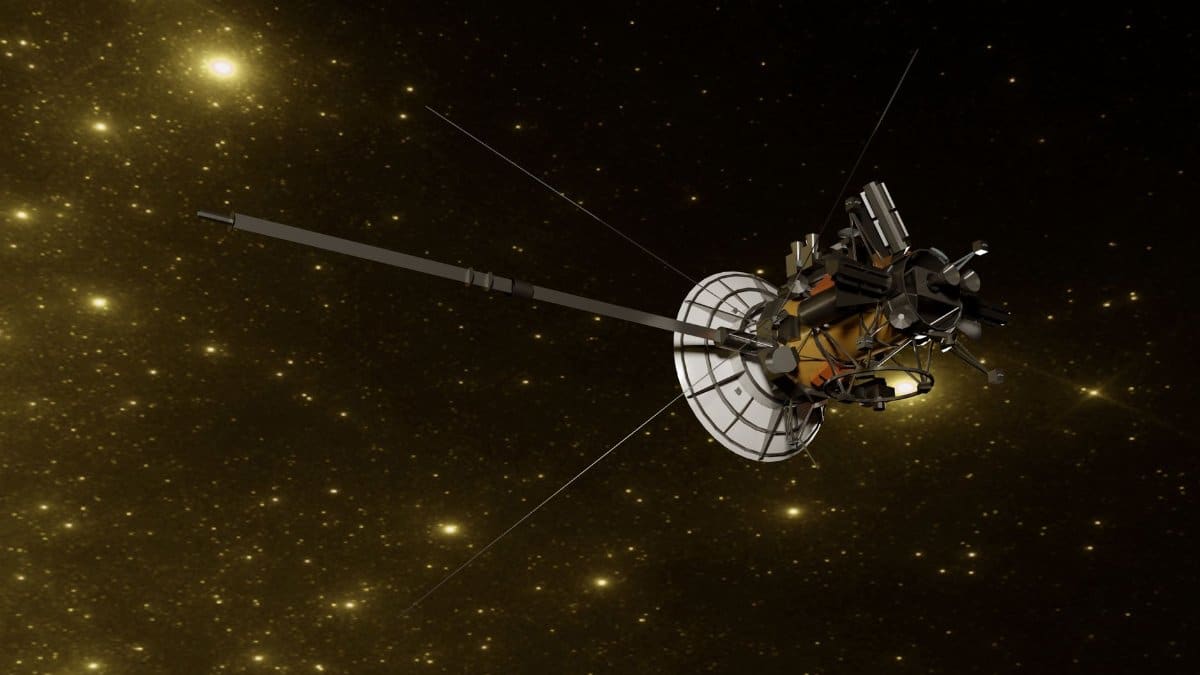
Researchers collected data on fluid dynamics plant growth and human physiology that will inform future voyages. One project examined how certain materials behave without the pull of Earth providing insights useful for manufacturing processes on the ground. Another tracked changes in vision and bone density offering clues about protecting travelers on longer journeys.
Physical Adjustments After Return

Upon landing the astronauts underwent immediate medical checks to assess muscle tone and balance. Most reported feeling heavier than expected and needed assistance standing for the first hours. Rehabilitation programs began at once with specialists guiding gradual reintroduction to normal activity levels.
Cooperation Across National Lines

Despite political friction the station continues to function through shared protocols and joint training. American and Russian personnel worked side by side on technical tasks exchanging knowledge that benefits both programs. This arrangement has persisted through decades of changing administrations and remains a rare point of steady contact.
Public Fascination with Space Returns
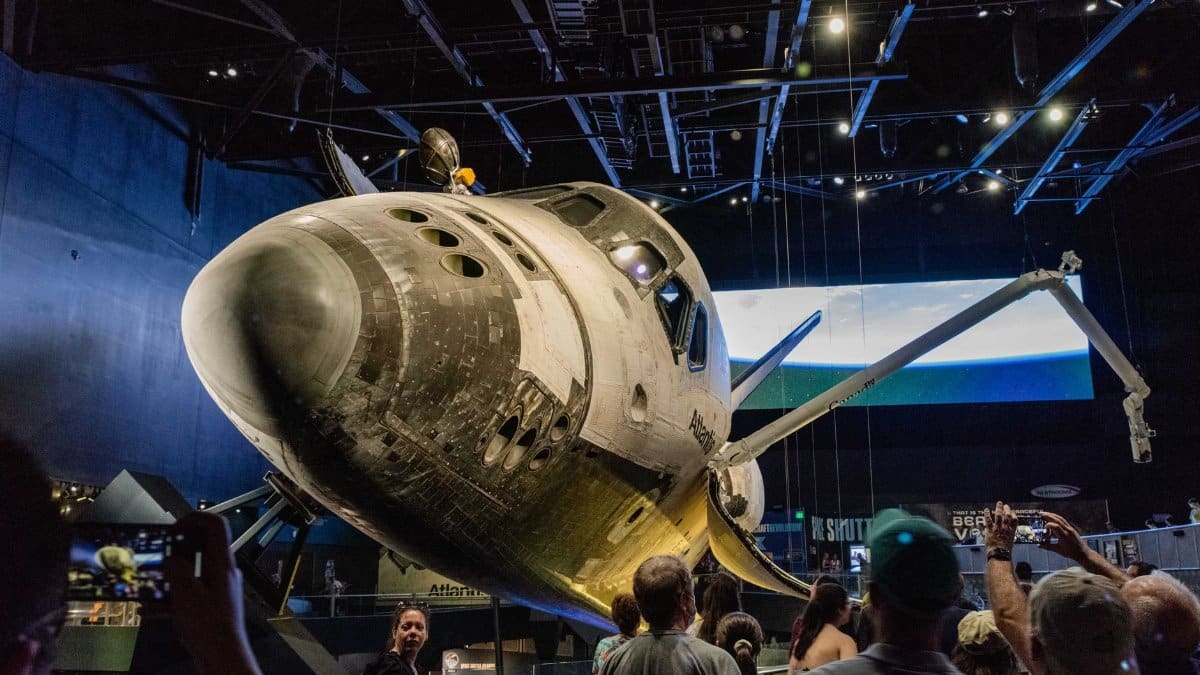
Images of the capsule settling onto the steppe circulated widely prompting conversations about exploration and human limits. Families of the crew watched from mission control centers while schools incorporated the event into lessons on science and geography. Such moments remind viewers of the thin margin that separates routine operations from remarkable achievement.
Looking Toward Future Station Goals

Planners already prepare for the next rotation of residents who will continue experiments and maintenance cycles. Discussions focus on extending research into new areas such as advanced life support systems. Each space station landing adds practical experience that shapes these upcoming efforts.
Reflections on Human Presence in Orbit
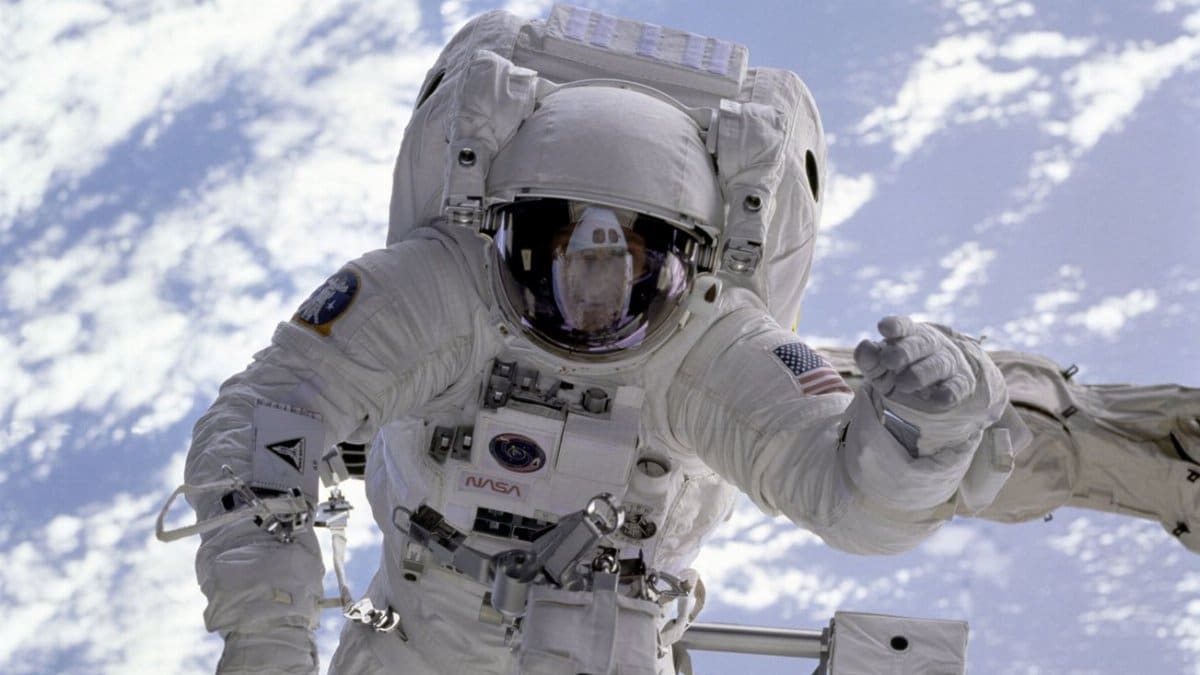
Astronauts often speak of the perspective gained from seeing Earth as a single sphere without visible borders. That view lingers after return influencing how they approach everyday decisions. The recent mission reinforced the sense that sustained presence in space serves both practical and contemplative purposes for those involved.