

The announcement from Washington came as a surprise to many observers watching relations between the United States and its neighbor to the south. With new restrictions placed on companies involved in medical programs and energy production as well as the military conglomerate known as GAESA the policy underscores how Cuba sanctions continue to play a central part in diplomatic strategies. Observers note that such actions reflect broader efforts to influence governance and economic structures in the region while raising questions about their effectiveness over time.
Historical Context of Policy Decisions

Relations between the two nations have seen many shifts since the middle of the last century. Early measures aimed at isolating the Cuban government evolved into a complex web of rules that affect trade travel and financial flows. These approaches have persisted through various administrations each adding layers based on changing priorities in foreign affairs.
Focus on Medical Mission Programs

The recent actions target programs that send Cuban medical personnel abroad. Officials argue these efforts generate revenue for the state while potentially involving labor practices that draw criticism from international groups. Supporters of the programs highlight the aid provided to other countries in need of health services.
Energy Sector Implications
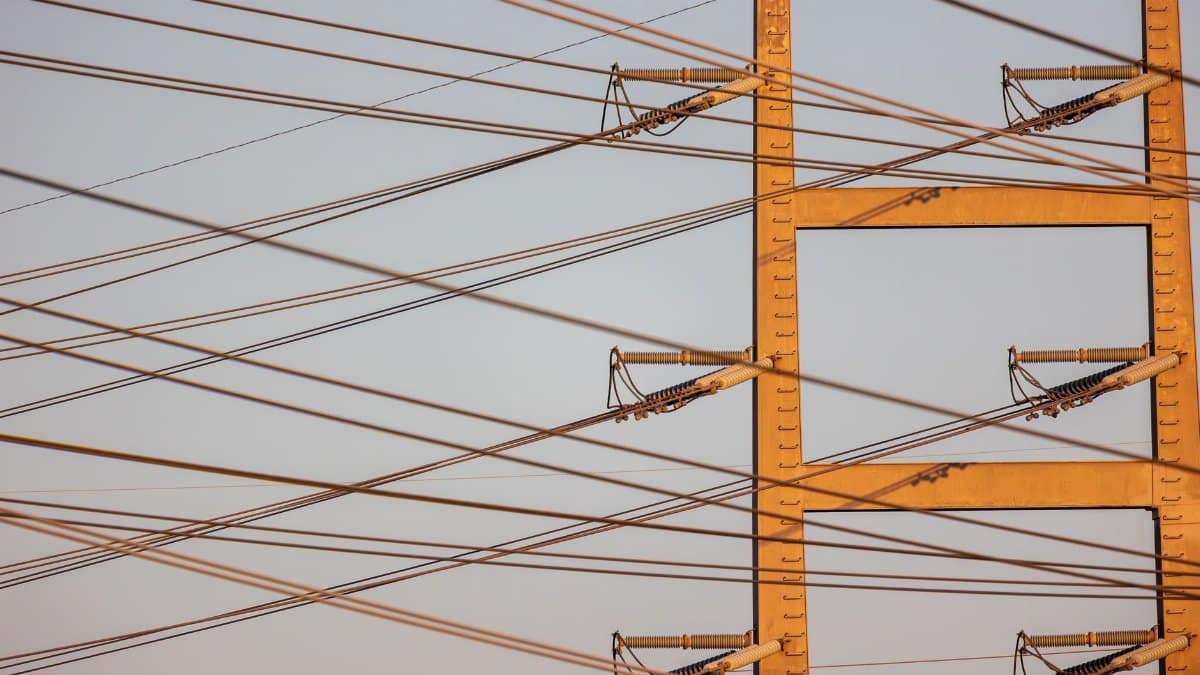
Firms linked to oil and power generation face new barriers under the updated rules. This sector has long been vital for daily life in Cuba where shortages have led to frequent disruptions. The measures seek to limit resources that could support state operations.
Role of GAESA in the Economy

GAESA operates as a major business arm tied to the military with interests spanning tourism retail and more. Its inclusion in the sanctions list signals an intent to disrupt key financial channels. Analysts suggest this could affect how the government manages its internal affairs.
Economic Effects on Daily Life
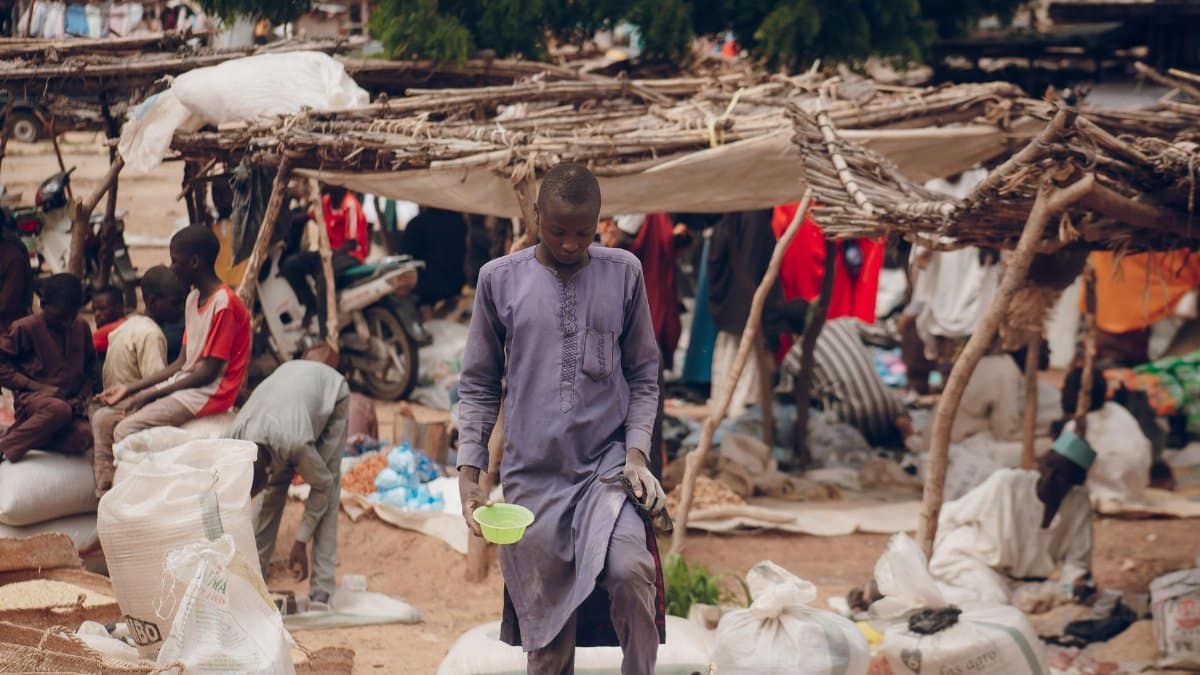
Residents in Cuba may encounter further challenges as access to goods and services tightens. Past rounds of similar policies have coincided with increased hardship for ordinary families reliant on imports and external support. Local markets already strained by various factors could see added pressure.
Reactions from International Partners

Countries in Latin America and Europe have offered mixed responses to the latest steps. Some express support for promoting change while others voice concerns over potential humanitarian fallout. Diplomatic channels remain active as parties seek common ground.
Humanitarian Considerations

Aid organizations watch closely for signs that the policies might limit access to essential supplies. Cuba has faced difficulties in obtaining medicines and equipment raising debates about balancing political goals with public welfare needs.
Prospects for Future Developments

Lawmakers and experts debate whether adjustments or expansions lie ahead. Cuba sanctions have adapted to new circumstances in the past and could do so again depending on political shifts or events on the ground. Ongoing monitoring will shape the path forward.