
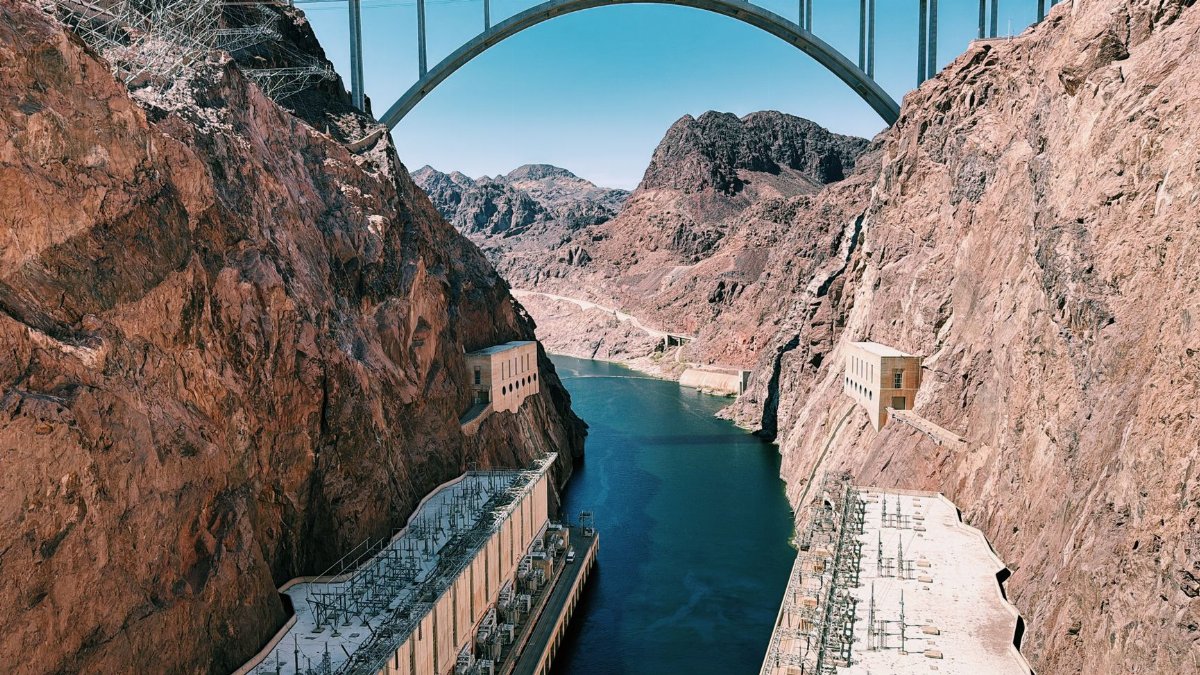
In a significant move reflecting ongoing water scarcity challenges, the federal government has declared reductions in allocations from the Colorado River to three key states. This development highlights the intensifying pressures on the Southwest’s primary water source amid prolonged dry conditions, with Colorado River Cuts now shaping policy across the region.
The Background of Water Sharing Agreements

Decades of compacts have governed how seven states divide flows from the river system that sustains millions of residents and vast farmlands. Those early pacts assumed higher average volumes than recent decades have delivered. As reservoirs have fallen to historic lows, officials revisited the formulas to prevent total depletion. The latest announcement builds on prior voluntary agreements yet imposes mandatory reductions for the first time in this scale.
Effects on Arizona Agriculture and Cities
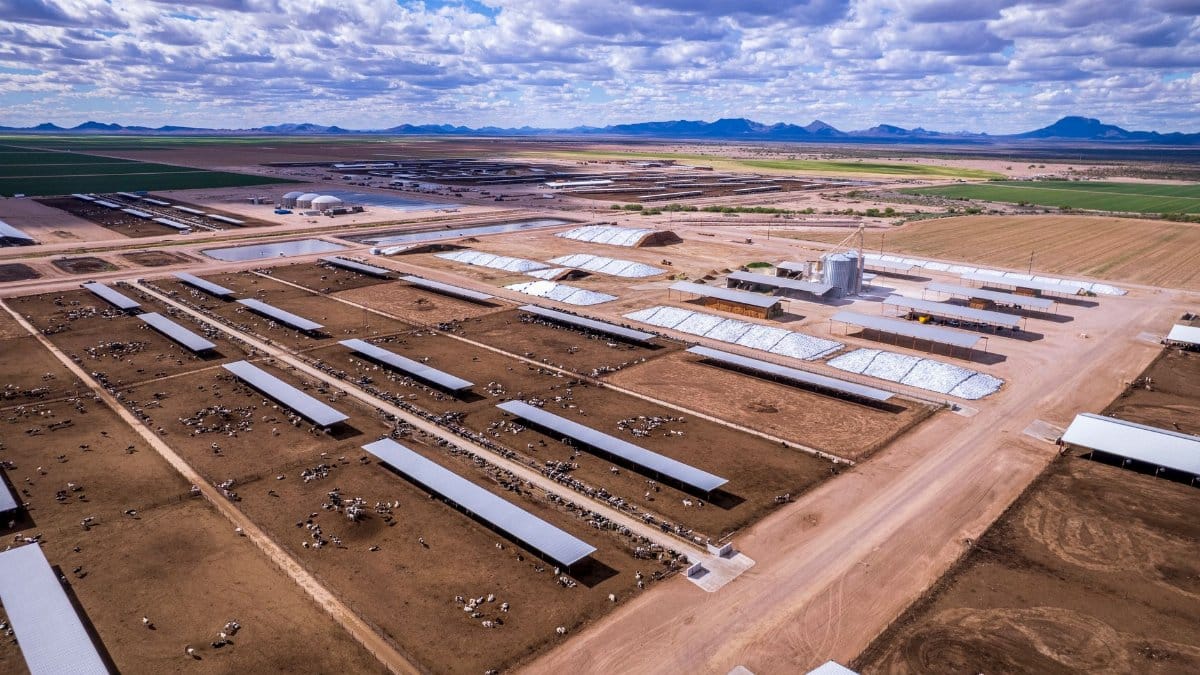
Arizona faces the largest immediate reductions under the federal plan. Central Arizona Project deliveries will drop noticeably, forcing farmers to fallow fields and cities to accelerate conservation programs. Tucson and Phoenix utilities already promote drought tolerant landscaping, yet further steps such as expanded recycling of wastewater now appear essential. Rural communities reliant on irrigation districts confront uncertain seasons ahead.
California Response and Urban Conservation

Southern California receives a smaller percentage cut but must still adjust because its overall share remains the largest. Metropolitan agencies in Los Angeles and San Diego have outlined new rebate programs for efficient appliances and expanded turf removal incentives. Agricultural districts in the Imperial Valley explore deficit irrigation techniques that maintain yields with less water. State leaders emphasize that past investments in storage and transfers provide some buffer compared with neighboring states.
Nevada Adjustments in the Las Vegas Area

Nevada receives the smallest allocation among the three states yet depends heavily on Lake Mead for its growing population. Officials in the Las Vegas Valley have accelerated indoor efficiency standards and limited new turf installations. The Southern Nevada Water Authority continues to pursue additional supply options including groundwater banking farther north. Residents have grown accustomed to tiered pricing that rewards lower use.
Ecological Strain on River Ecosystems
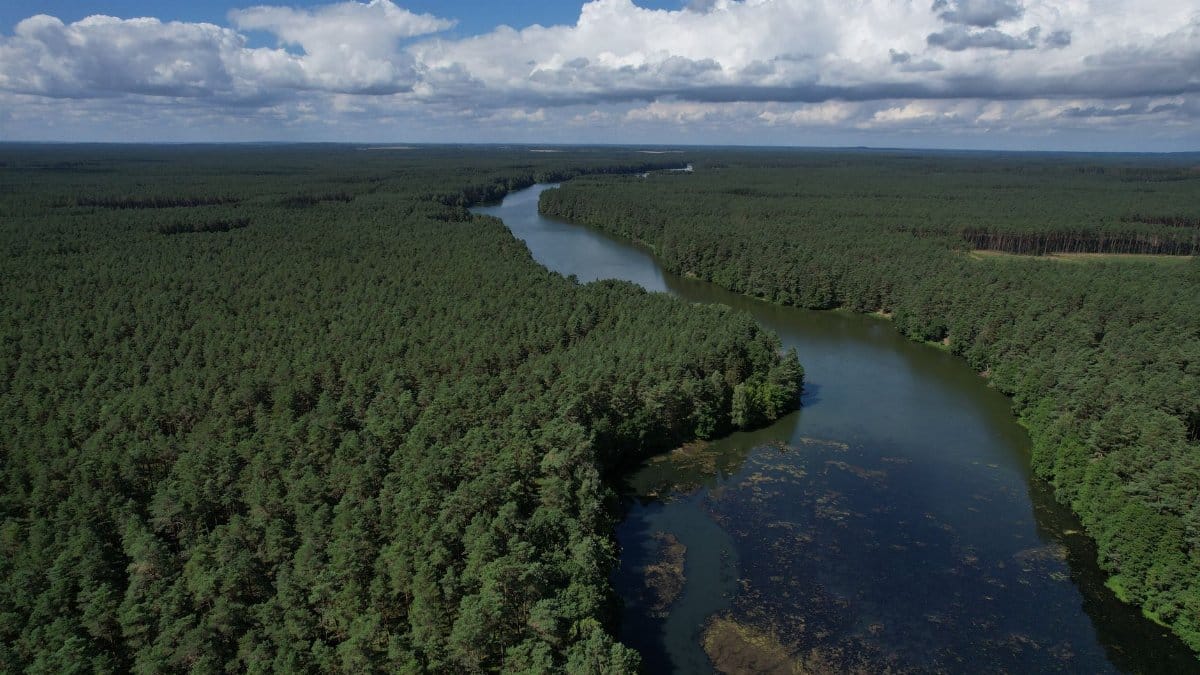
Lower flows threaten fish species already listed as endangered and reduce the health of riparian forests that support migratory birds. Sediment buildup in reservoirs alters downstream channel conditions, while warmer water temperatures stress aquatic life. Scientists monitor these changes closely, noting that sustained low levels could trigger irreversible shifts in the river corridor if inflows do not recover.
Political Negotiations Among Basin States

The current cuts emerged after months of closed door talks that included tribal nations and federal agencies. Upper basin states have so far avoided mandatory reductions but face pressure to contribute more data on actual consumption. Tensions remain over how future shortages will be shared if drought persists. Lawmakers in Congress have signaled willingness to fund infrastructure that could ease some burdens.
Long Term Supply Strategies Under Consideration

Desalination plants along the coast, expanded wastewater reuse, and even weather modification programs appear in various planning documents. Each option carries high costs and lengthy permitting timelines. Some analysts advocate for permanent caps on growth in the most arid zones rather than engineering solutions alone. The debate continues over which mix of approaches offers the greatest reliability.
Broader Implications for Western Water Policy

The episode illustrates how climate trends are forcing a reevaluation of legal frameworks established in wetter eras. Other river basins across the country watch the negotiations for precedents that could apply locally. Public awareness campaigns have increased, yet translating concern into sustained behavioral change remains an open challenge for utilities and governments alike.