
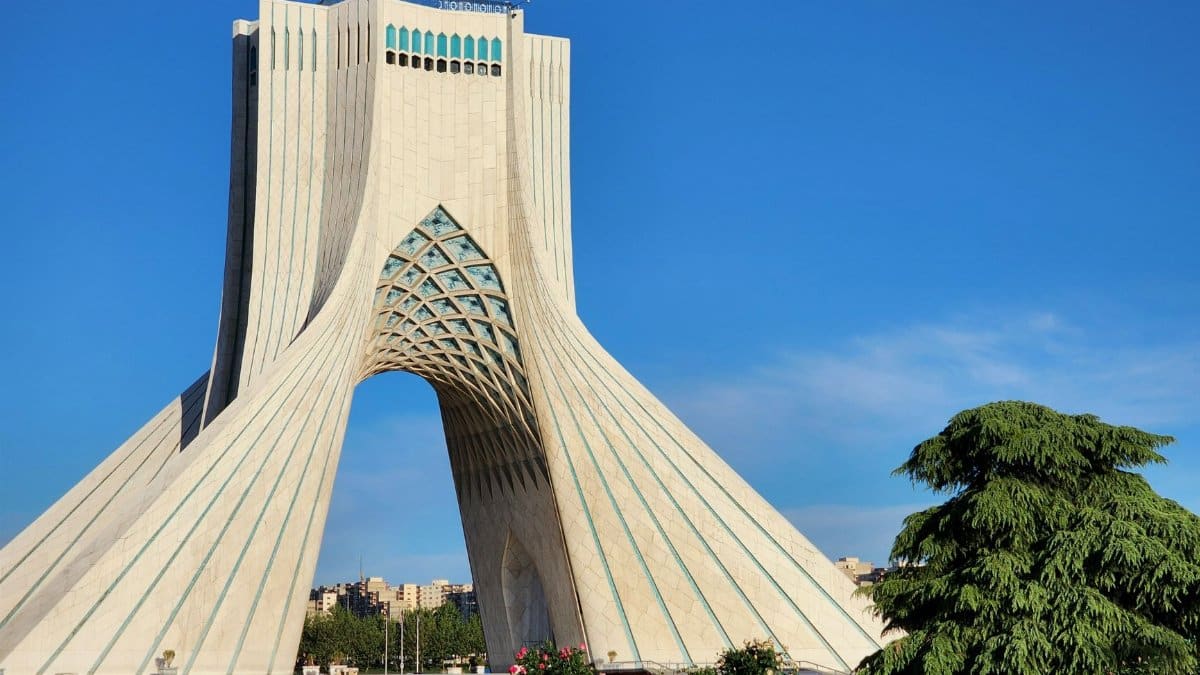
In recent weeks global attention has turned toward the Middle East where unexpected restraint has taken hold after weeks of rising pressure. Observers note that the United States and Iran have stopped trading blows allowing space for outside parties to encourage dialogue once more. This development known as an Iran pause offers a brief window amid broader uncertainty. Regional leaders express cautious optimism while citizens in affected areas hope the quiet holds long enough for progress. Analysts point to shifting priorities on both sides as a factor behind the current calm.
Roots of the Present Standoff

The sequence of events leading to this point stretches back several months with each side responding to perceived threats in kind. Oil routes and security guarantees remain central concerns for all involved. External powers have watched closely weighing their own interests against the risk of wider involvement.
Role of Outside Mediators

Countries with longstanding ties to both the United States and Iran have stepped forward offering channels for indirect communication. These efforts focus on small steps that might build confidence without requiring immediate concessions. Success depends on each party seeing clear benefits from continued restraint.
Impact on Nearby Populations

Communities living near potential flashpoints report reduced anxiety as skies stay quiet for another day. Markets show slight signs of recovery though supply chains still face disruptions from earlier incidents. Families displaced by prior exchanges await news on when they might return home safely.
Economic Ripple Effects

Energy prices reacted quickly to the initial round of actions yet have begun to stabilize during the present lull. Traders monitor statements from officials for any hint of what comes next. Broader markets remain sensitive to any sign that the Iran pause might end abruptly.
Voices from Within Iran
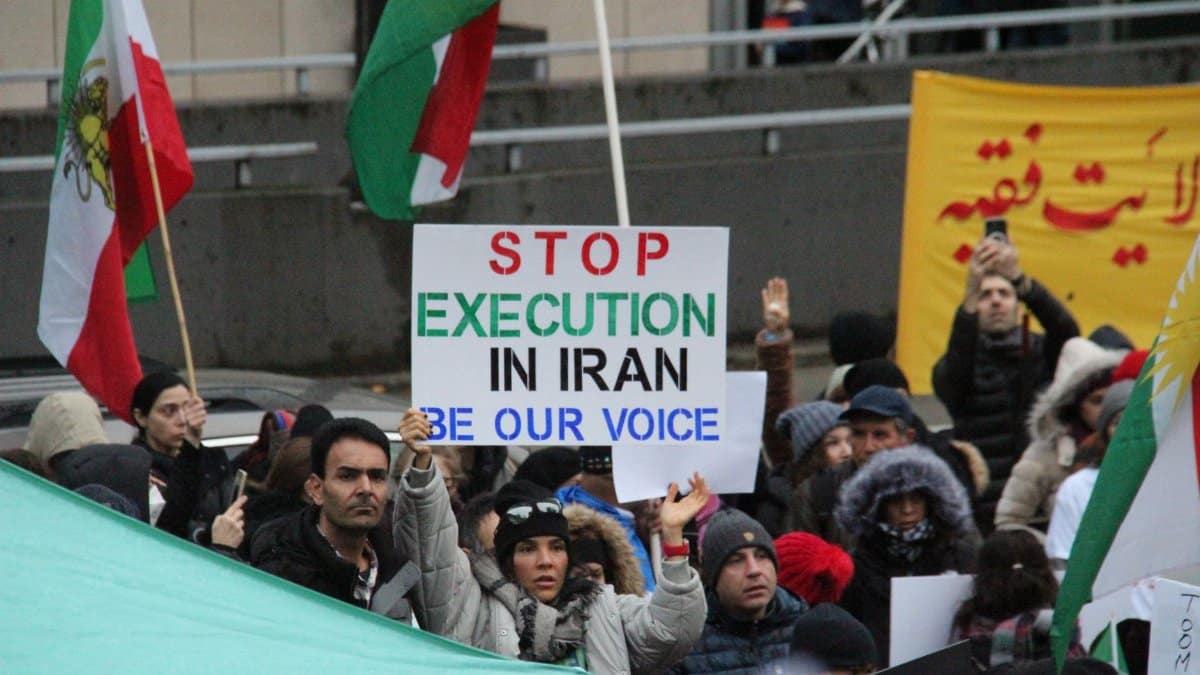
Public reaction inside Iran mixes relief with skepticism about how long the arrangement can last. State media emphasizes national resilience while independent voices call for addressing underlying grievances through talks. Youth in urban centers follow developments on social platforms.
Washingtons Strategic Calculations

Officials in the United States weigh domestic political pressures against the value of deescalation at this stage. Military planners review options should the situation shift again. Congress watches the executive branch closely for updates on next moves.
Prospects for Renewed Negotiations

Diplomats outline possible frameworks that could bring representatives back to formal sessions though details stay scarce. Past agreements provide reference points yet new realities demand fresh approaches. Timing remains delicate given recent events.
Broader Regional Implications

Neighbors such as Saudi Arabia and Israel track the situation with their own security needs in mind. Alliances may adjust depending on whether the current quiet leads to lasting understandings. Proxy forces on multiple sides await signals from their patrons.
Public Sentiment Across the Ocean

In American households the topic surfaces in conversations about foreign policy priorities and the cost of involvement abroad. Polls indicate divided views on how assertive the country should appear in such disputes. Media coverage shapes much of the national discussion.