
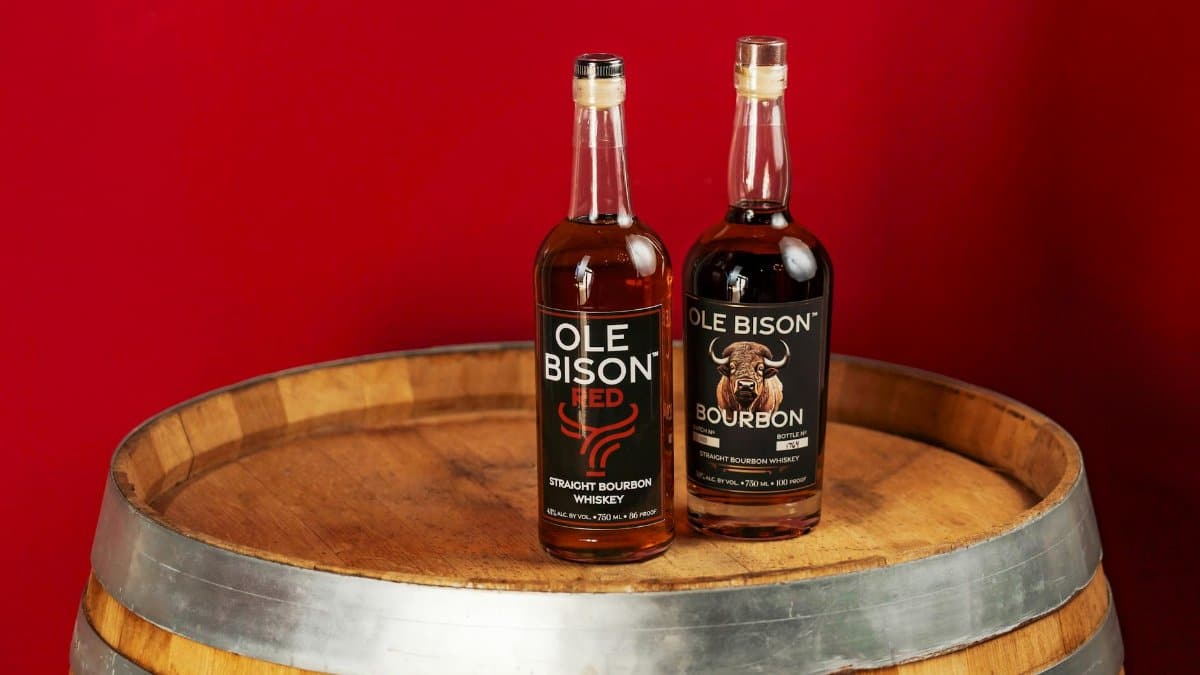
In the soft light of a Pacific Northwest afternoon two bottles from Washington state distilleries have quietly claimed a spot among the most celebrated spirits of our time. A major ranking of the finest whiskeys produced since the year 2000 placed two local expressions on its list of fifty bringing fresh attention to a region better known for tech and timber than for barrels and stills. The recognition arrives at a moment when American whiskey finds itself in the midst of extraordinary growth yet these selections stand out for their distinct sense of place. They reflect careful attention to grain climate and craft reminding us that great whiskey can emerge far from the traditional heartland. This milestone invites both longtime enthusiasts and curious newcomers to explore how Washington whiskeys best express the character of their landscape in every pour.
A Landmark List Draws Eyes to the Northwest
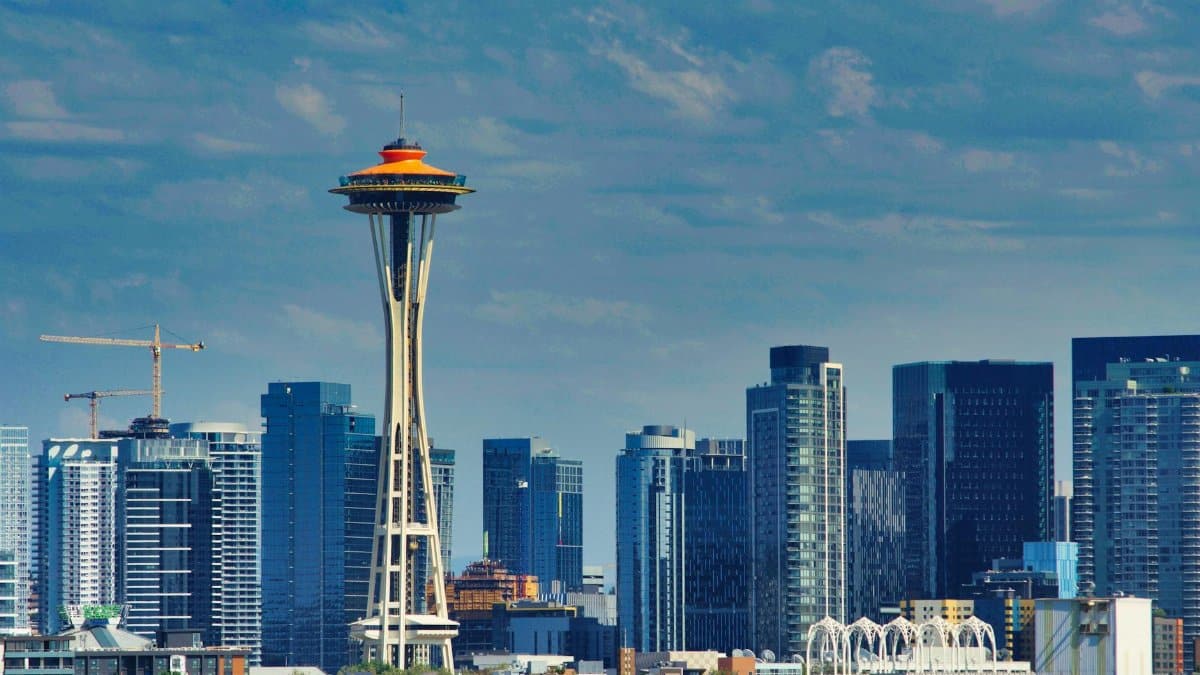
The compilation issued by an international panel of whiskey authorities evaluated hundreds of releases spanning more than two decades. Judges considered balance complexity and that elusive quality of distinctiveness. Both Washington entries earned high marks for their ability to capture regional nuance while meeting the highest standards of technical excellence. The Seattle Times first reported the honors noting that the placements mark a high water mark for distilleries operating in the state. For an industry that has grown from a handful of producers in the early 2000s to more than sixty today the recognition carries symbolic weight. It suggests that patience and vision can yield results capable of standing alongside the best from Kentucky or Scotland.
The Two Bottles That Rose to the Top

One of the honored releases comes from Westland Distillery in Seattle where head distiller Matt Hofmann has spent years experimenting with local barley varieties. Their American single malt showcases a gentle smokiness balanced by notes of ripe pear and toasted hazelnut. The second selection hails from Woodinville Whiskey Company whose flagship bourbon style whiskey spent extra time in carefully selected oak. Tasters praised its layers of dark cherry vanilla bean and warm baking spice. Both bottles demonstrate restraint rather than boldness allowing the grain and the environment to speak clearly. Their inclusion on the prestigious list has already prompted retailers across the country to increase orders and has created waiting lists at tasting rooms back home.
Geography That Shapes Every Drop
Washington offers a rare combination of fertile soil pure water and dramatic temperature swings. The Cascade Range creates a rain shadow effect producing some of the driest summers in the nation ideal for growing hardy grains. Distillers here benefit from cool nights that slow evaporation in the barrel preserving more of the spirit over time. This climate also encourages slower maturation which many experts believe adds depth without excessive oak influence. Such conditions differ markedly from the humid summers of Kentucky or the misty highlands of Scotland. The result is a house style that feels both familiar and entirely new. When enthusiasts discuss Washington whiskeys best they often point first to this environmental signature that cannot be replicated elsewhere.
From Hobby to Professional Craft
The modern chapter of Washington distilling began in the late 2000s when a small group of enthusiasts secured licenses and began experimenting in converted warehouses and old farm buildings. Early pioneers faced steep learning curves and limited distribution networks. Many worked day jobs while tending their stills at night. Over time these operations matured into polished businesses with sophisticated equipment and dedicated research programs. Westland for instance maintains its own floor malting facility one of only a few in the United States. Woodinville invested heavily in custom barrel programs sourcing oak from forests just miles from their facility. This commitment to controlling every variable has paid dividends as evidenced by the recent global acclaim.
Technical Choices That Define Excellence
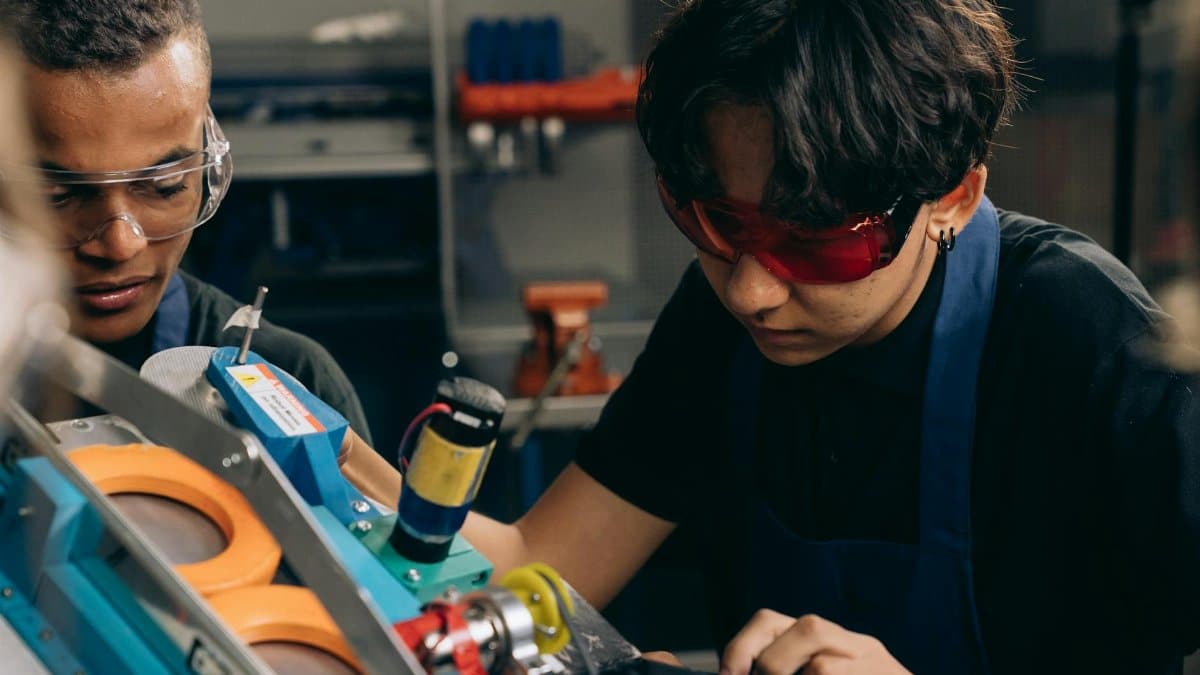
Success in whiskey making often rests on dozens of small decisions rather than any single innovation. Washington distillers have embraced unusual yeast strains sourced from local breweries and bakeries. They have adjusted mash bills to highlight the soft white wheat that thrives in the eastern part of the state. Fermentation times run longer than industry averages allowing for more complex flavor compounds to develop. Barrel entry proof is calibrated precisely to match the local water profile. These choices might seem minor yet they accumulate into a sensory experience that experts describe as uniquely harmonious. The two honored whiskeys exemplify this meticulous approach proving that craft can compete with much larger operations.
Tasting Notes for the Curious Drinker

Those fortunate enough to secure bottles will find the Westland expression opens with a delicate aroma of fresh baked bread and distant campfire. On the palate it offers waves of poached pear toasted almond and a whisper of sea salt that lingers pleasantly. The Woodinville whiskey by contrast presents bolder vanilla and caramel notes balanced by bright orange zest and hints of toasted coconut. Both finish with remarkable clarity showing no harsh burn despite their strength. Serious collectors recommend sipping them neat at room temperature though a single large ice cube can open additional layers for those who prefer it. Food pairings lean toward aged cheeses smoked salmon and dark chocolate rather than the barbecue traditionally paired with Kentucky bourbon.
Economic Ripple Effects Across the State
The whiskey boom has brought measurable benefits to communities from Seattle to Spokane. Distilleries purchase thousands of tons of grain annually supporting local farmers who previously relied heavily on export markets. Tourism has increased with many visitors adding distillery tours to their wine country itineraries. The success of flagship producers has encouraged investment in smaller operations creating jobs for coopers chemists and hospitality staff. Tax revenue from spirits sales now contributes millions each year to state coffers. Perhaps most importantly the visibility from awards like this one helps establish Washington as a serious player in the global spirits conversation shifting perceptions and opening new markets abroad.
Challenges That Remain for Growing Distilleries
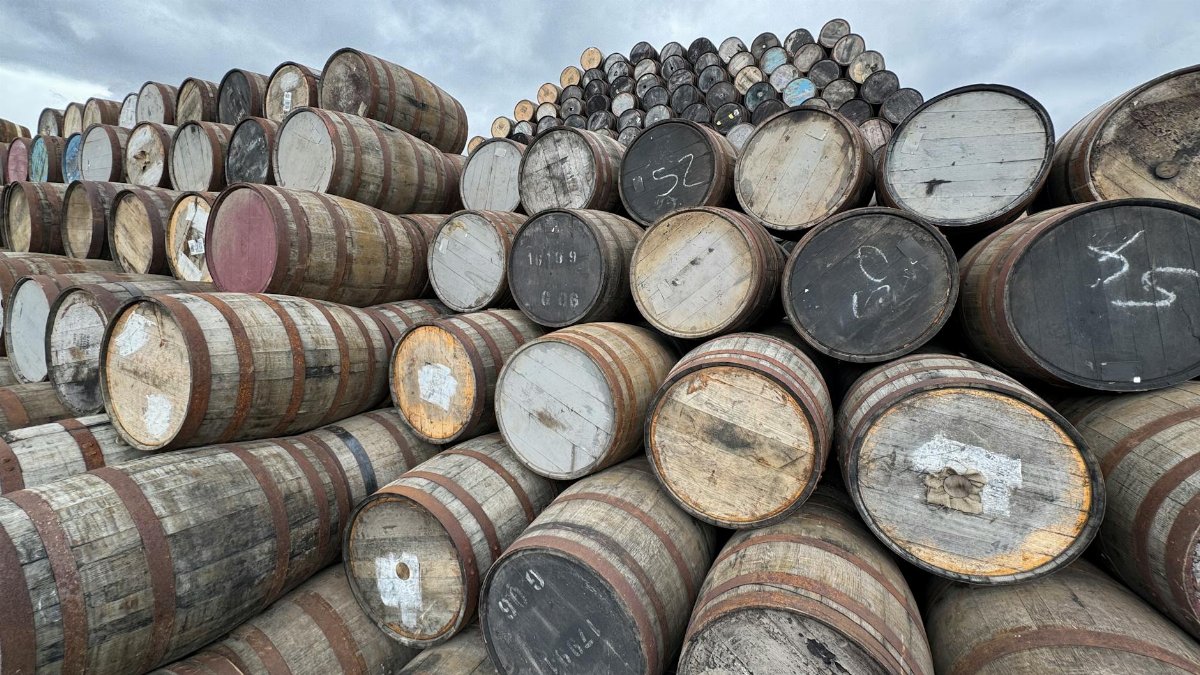
Rapid expansion brings its own difficulties. Demand for the two celebrated whiskeys has outstripped supply forcing producers to implement allocation systems that frustrate both retailers and consumers. Scaling production without compromising quality presents another test particularly as skilled distillers remain in short supply. Regulatory hurdles around labeling and distribution continue to complicate operations. Climate change also looms as shifting weather patterns threaten the consistency of local grain harvests. Despite these obstacles industry leaders express measured optimism pointing to the resilience they have already demonstrated over the past fifteen years.
Building a Distinct Northwest Identity
Rather than imitate established styles Washington producers have worked to develop their own vocabulary of flavor. They speak of terroir with the same seriousness once reserved for wine growers. Some have begun releasing single farm expressions that trace a whiskey back to the exact field where its barley was grown. Others experiment with native woods for smoking or finishing. This focus on authenticity has resonated with drinkers seeking something beyond the familiar. The recent honors validate that approach and may encourage even bolder experiments in coming years. As one distiller observed the goal is not to make the best Kentucky whiskey in Washington but to make the best Washington whiskey in the world.
Advice for Those Seeking Quality Bottles

Enthusiasts hoping to experience Washington whiskeys best should begin with the two newly recognized releases though both may prove difficult to find at standard retail. Independent bottle shops and distillery tasting rooms offer the highest likelihood of success. For those unable to locate the award winners several other local producers offer excellent alternatives at more accessible prices. Look for expressions that emphasize local grain and moderate aging rather than extreme proofs or heavy finishes. Joining a distillery membership club can provide early access to limited releases. Most importantly approach these whiskeys with an open mind allowing them to reveal their character on their own terms rather than comparing them constantly to more famous names.
What the Future Holds for Northwest Spirits
The two placements on a list of the best whiskeys of the century feel less like an endpoint than a beginning. They signal that the infrastructure talent and raw materials now exist to sustain excellence for decades to come. Younger distillers entering the field today benefit from the trailblazing work of those who came before. Investment continues to flow into new facilities and innovative projects ranging from heirloom grain breeding programs to cooperage operations using local timber. While no one can predict the next breakout success the foundation appears solid. For middle aged drinkers who remember when Washington whiskey was scarcely a category the current moment feels like a quiet triumph worth raising a glass to celebrate.
The recognition of these two spirits reminds us that excellence in whiskey like so many things depends on vision patience and deep connection to place. As the industry matures further Washington seems poised to contribute meaningfully to the ongoing story of American whiskey. The barrels continue to rest in cool warehouses the grains continue to grow under vast skies and the distillers continue their careful work. For those who appreciate a sense of discovery in their glass the Pacific Northwest has never offered a more compelling invitation.