
In the crowded wards of Chicago’s West Side, two candidates without party backing are racing against deadlines and legal objections to keep their names before voters in next year’s congressional race. Petitions have been filed, signatures scrutinized, and hearings scheduled as the Illinois 4th District Ballot Challenge moves forward. The episode draws fresh attention to the difficulties Independent Candidates Illinois encounter when they try to break into districts long shaped by Machine Politics Chicago.
Petition Rules That Shape Every Campaign
Illinois election law sets strict signature thresholds and formatting requirements for anyone seeking a place on the ballot without major party support. Candidates must gather thousands of valid names from registered voters inside the district, then defend those lists against challenges that can arrive from any registered voter. Small technical errors, such as a missing middle initial or an address listed in the wrong order, can remove hundreds of signatures at once.
Two Candidates and Their Separate Paths

One contender is a community organizer who spent months walking precincts and collecting signatures outside train stations. The other is a small business owner who focused on neighborhood associations and church groups. Both now face hearings before the state board of elections, where lawyers for established interests argue that their petitions fall short. Supporters say the challenges are less about paperwork and more about protecting familiar names.
How Machine Politics Chicago Still Operates
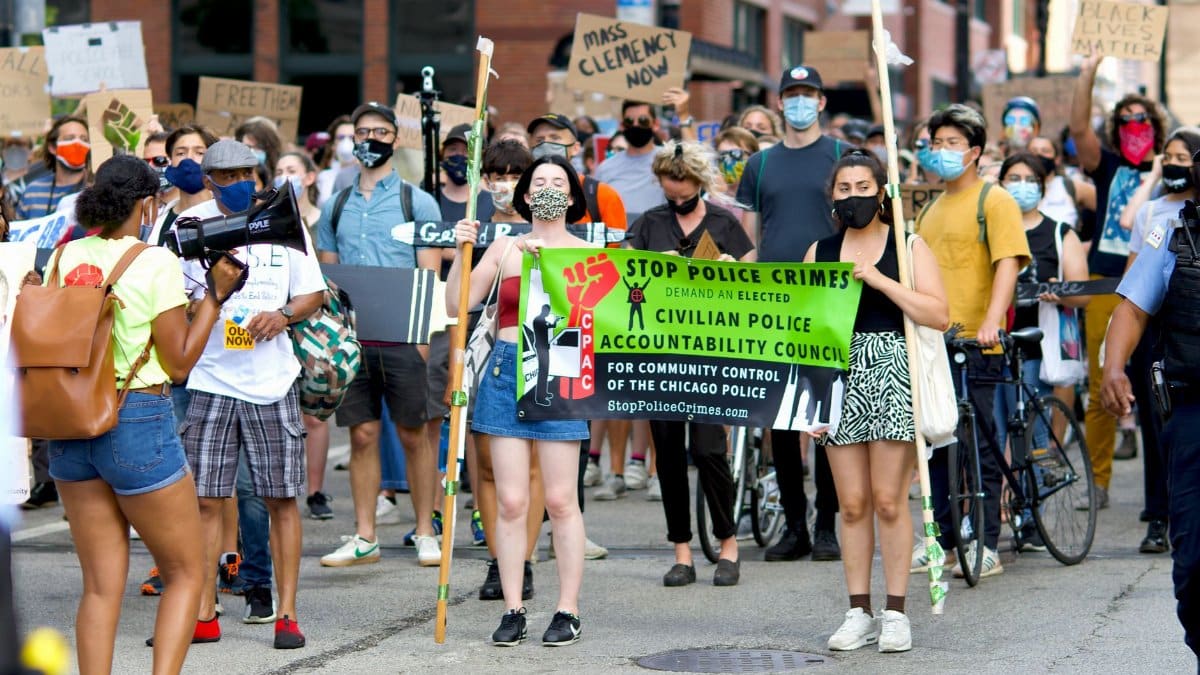
Decades after reform efforts, Chicago’s political organizations continue to rely on precinct captains, patronage networks, and coordinated slate making. These structures help favored candidates gather signatures quickly and respond to legal threats with experienced counsel. Newcomers without similar resources often find themselves defending petitions alone or with volunteer lawyers who lack the same institutional memory.
Legal Filings and the Calendar Ahead

The current Illinois 4th District Ballot Challenge is scheduled for multiple rounds of review this summer. Each side will present evidence on signature validity, circulator compliance, and residency questions. Decisions can be appealed to circuit court, which compresses the timeline for printing ballots and beginning early voting. Observers note that delays favor candidates who already appear on party lines.
Voter Access Versus Institutional Control

Supporters of the independent bids argue that restrictive ballot rules limit choices in a district that includes both affluent lakefront blocks and working class neighborhoods west of the river. Critics respond that signature requirements protect voters from frivolous candidacies that could split the vote and confuse turnout efforts. The debate echoes similar fights in other large cities where party organizations remain strong.
Local Precinct Work That Still Matters

Even as digital tools spread, most successful petition drives in Chicago still depend on door to door contact and repeated visits to the same blocks. Volunteers learn which buildings allow clipboard access and which do not. Candidates without these longstanding relationships must build them from scratch, often while holding full time jobs.
Outside Groups and Their Quiet Role

Labor unions, business associations, and ideological nonprofits sometimes fund signature verification or legal objections. Their involvement rarely appears in campaign finance reports until after the fact. For Independent Candidates Illinois, matching that level of organized support requires either personal wealth or unusually broad volunteer networks.
What Happens if Names Are Removed

If either independent is kept off the ballot, the remaining candidates will face fewer opponents in the general election. That outcome could reduce turnout among voters who prefer alternatives to the major party choices. It could also discourage future independents from attempting the same route in this or neighboring districts.
Lessons From Earlier Illinois Contests
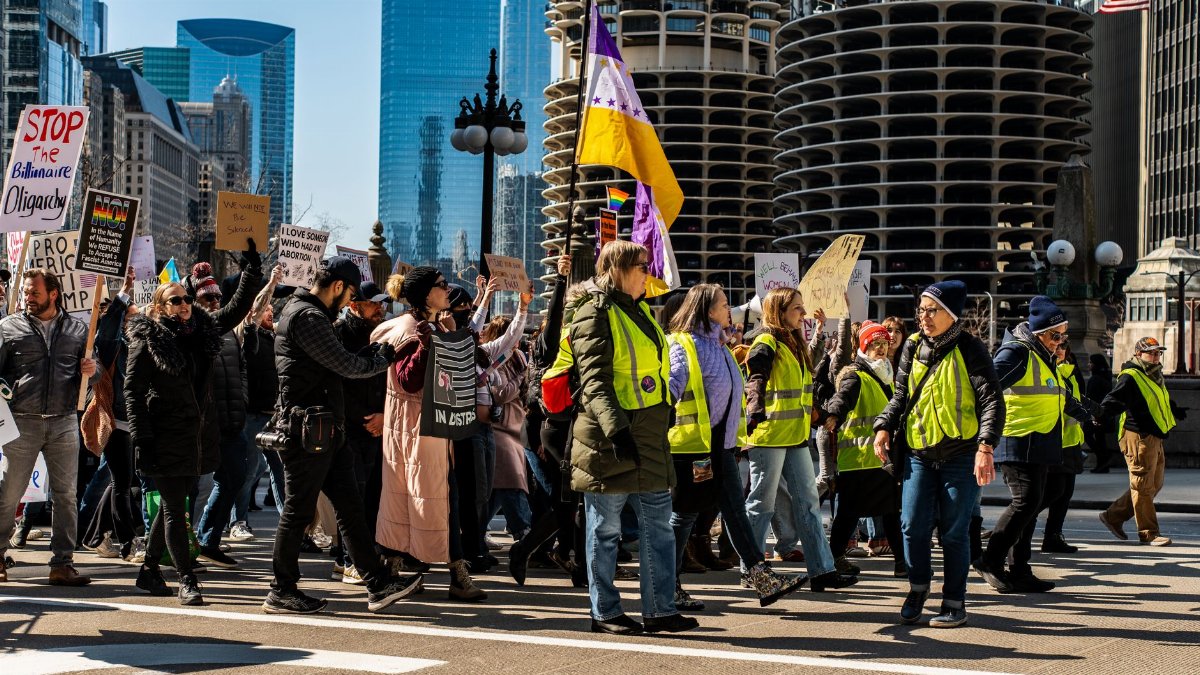
Past cycles show that successful challenges often turn on narrow legal points rather than broad public sentiment. Courts have upheld removals for missing notarization or improper circulator affidavits even when thousands of signatures were otherwise valid. Those precedents shape how current filings are prepared and defended.
Looking Toward the Next Election Cycle
The outcome of this Illinois 4th District Ballot Challenge will influence how Independent Candidates Illinois approach future races. Some may invest earlier in legal advice. Others may seek alliances with reform organizations that track petition rules across multiple districts. Machine Politics Chicago, meanwhile, continues to adapt its own methods to new legal and technological realities.