
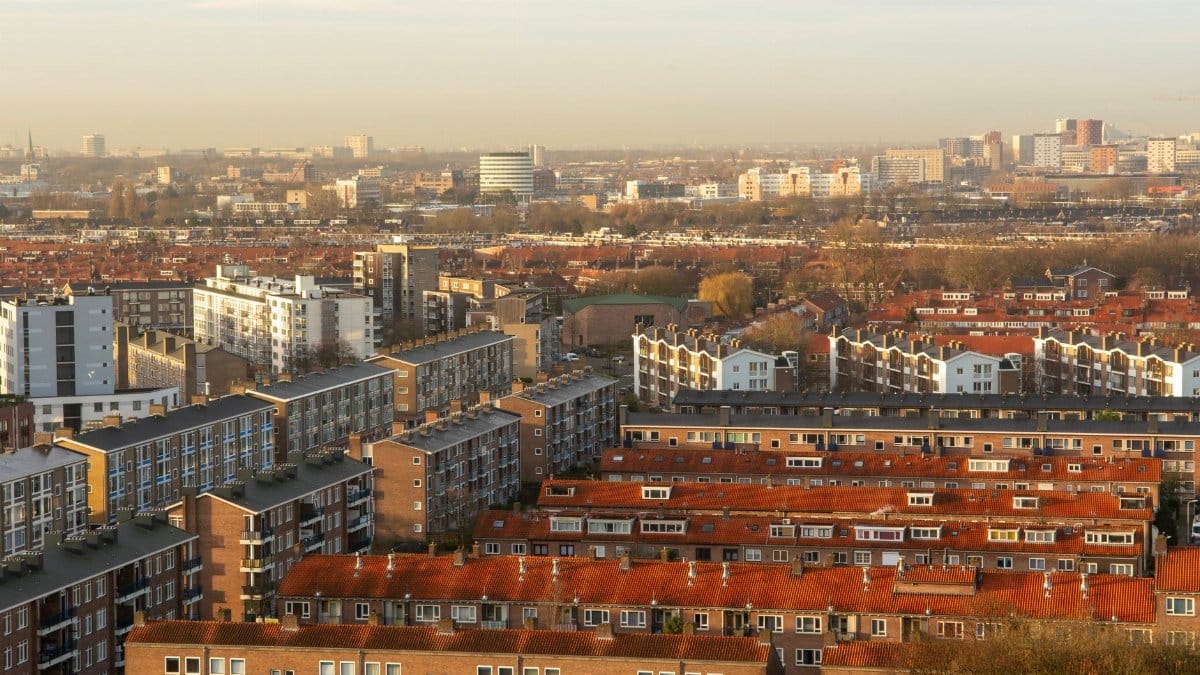
In the leafy neighborhoods of Golden Valley a quiet shift is underway as city leaders open the door to new types of homes that fit between large single family houses and towering apartment blocks. This move aims to ease pressure on the regional housing supply while keeping the suburban character intact. Planners see the approach as one way to welcome more residents without upending established streets. The change centers on allowing missing middle housing such as duplexes and small apartment buildings in areas once reserved for bigger lots.
Why Suburbs Are Rethinking Old Zoning Rules
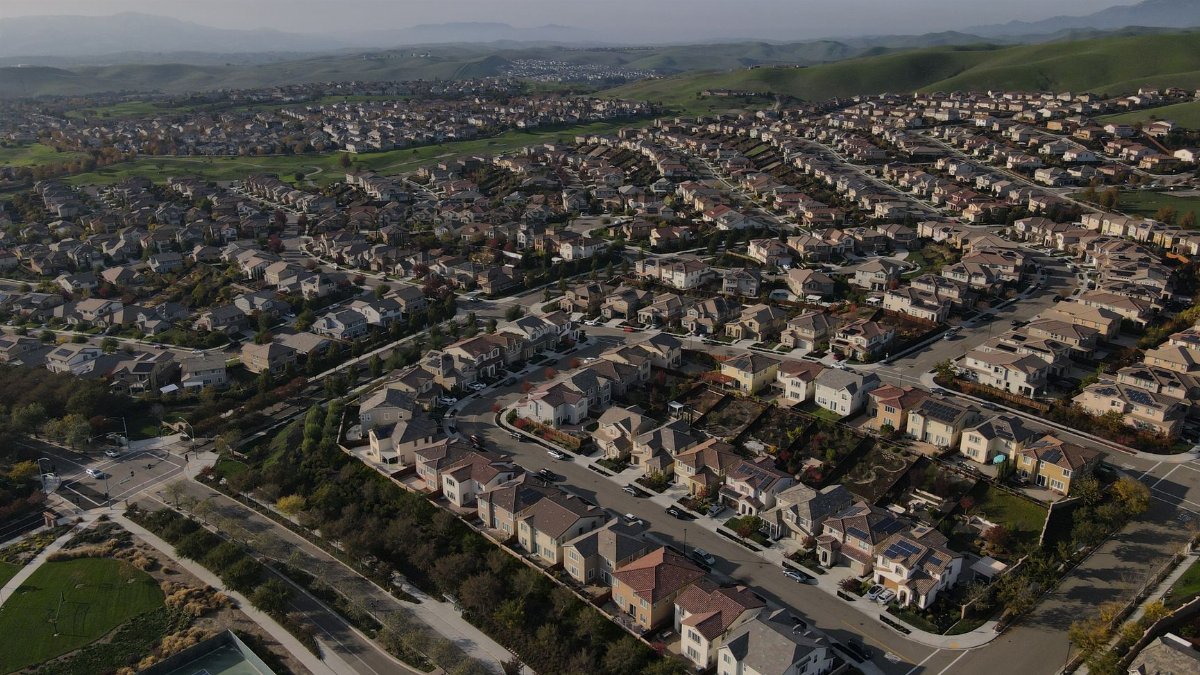
Golden Valley and nearby communities have long relied on rules that favored spacious lots and detached homes. Those policies worked well when demand was lower but now leave many families searching for options they can afford. Officials examined how other cities handled similar growth and decided modest increases in density could help without major disruption. Meetings with residents revealed support for homes that feel familiar yet add variety to the market.
How Duplexes Fit Into Established Neighborhoods
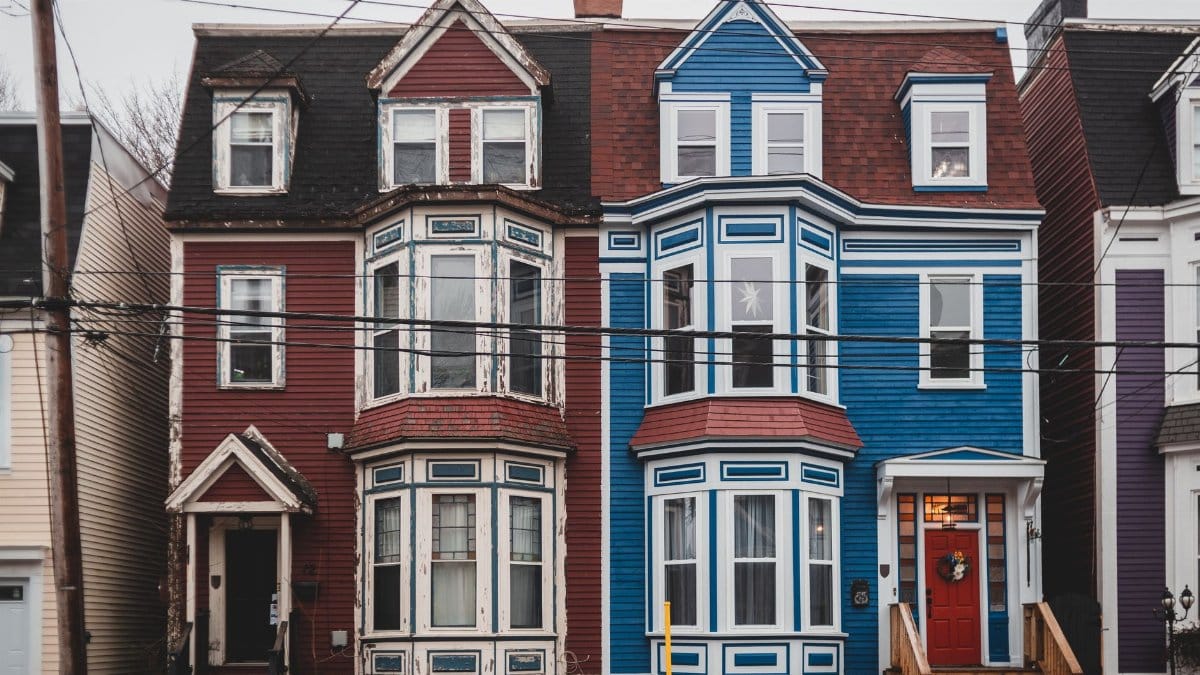
Duplexes offer two units in a building that looks much like a large house. This style keeps rooflines and setbacks similar to what already exists on many blocks. Designers focus on materials and landscaping that blend with older properties so the addition does not stand out. Early examples show that such buildings can sit comfortably next to single family homes while providing extra living space for smaller households.
Resident Views on Neighborhood Change

Longtime residents express a mix of curiosity and caution. Some welcome the chance for adult children to stay nearby or for older neighbors to downsize without leaving the area. Others worry about parking and traffic on streets built for fewer cars. City staff respond with data showing that well placed duplexes add only modest vehicle counts and often include off street spots. Conversations continue as more projects take shape.
The Role of Local Government in Housing Supply

City councils hold the power to adjust zoning maps and permit processes. In the Twin Cities area several suburbs formed working groups to review codes and recommend updates. These groups include planners architects and citizen volunteers who weigh tradeoffs between growth and preservation. Their reports guide votes that determine where new housing types can appear and how large they can be.
Impact on Property Values and Taxes

Property owners sometimes fear that added density will lower home prices yet studies from comparable regions show mixed or even positive effects when new units are well integrated. Local assessors note that renovated duplexes can raise nearby values by improving underused lots. Tax revenue from extra units also supports schools and services without requiring large new infrastructure projects.
Challenges in Construction and Design Standards
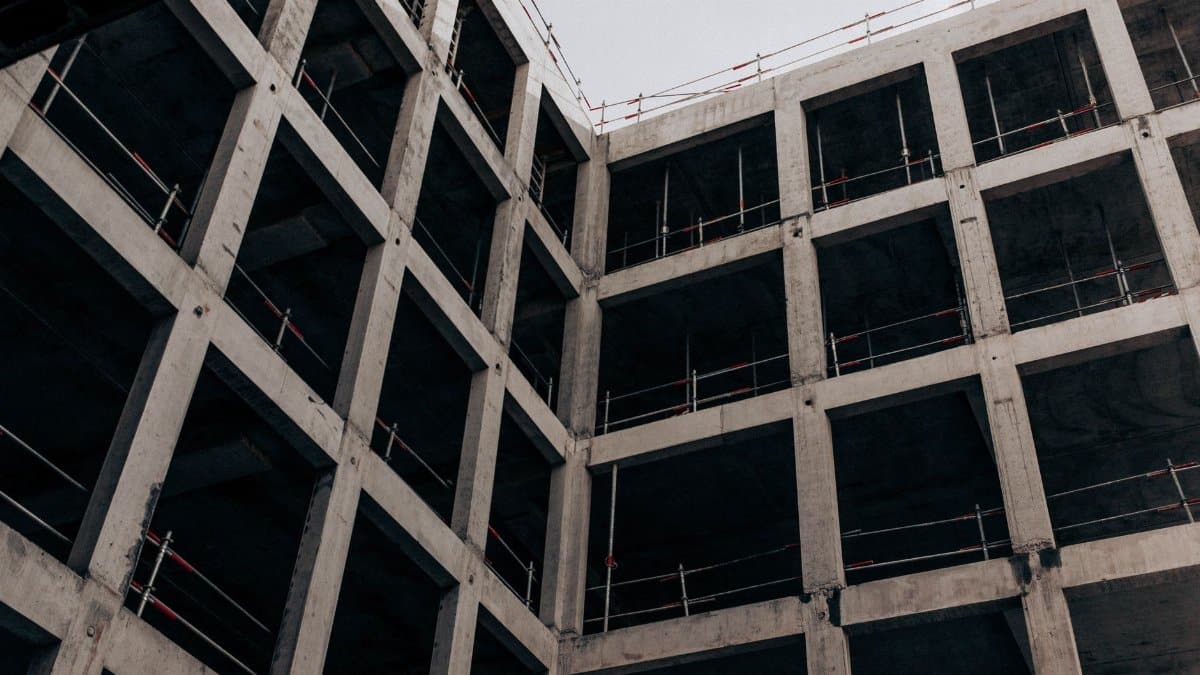
Builders face higher costs for small scale projects compared with large apartment complexes. Materials labor and permitting all add up quickly for structures with just a few units. Cities address this by streamlining approvals for designs that meet clear guidelines on height parking and green space. The goal is to lower barriers enough to encourage quality construction that lasts for decades.
Looking Ahead at Regional Housing Trends

Golden Valley serves as one example among several suburbs testing similar policies. Regional planners track outcomes to see whether these changes ease shortages for middle income households. Success may depend on continued public input and adjustments based on real world results. Over time the approach could influence how other communities balance growth with the desire to retain their distinct character.