
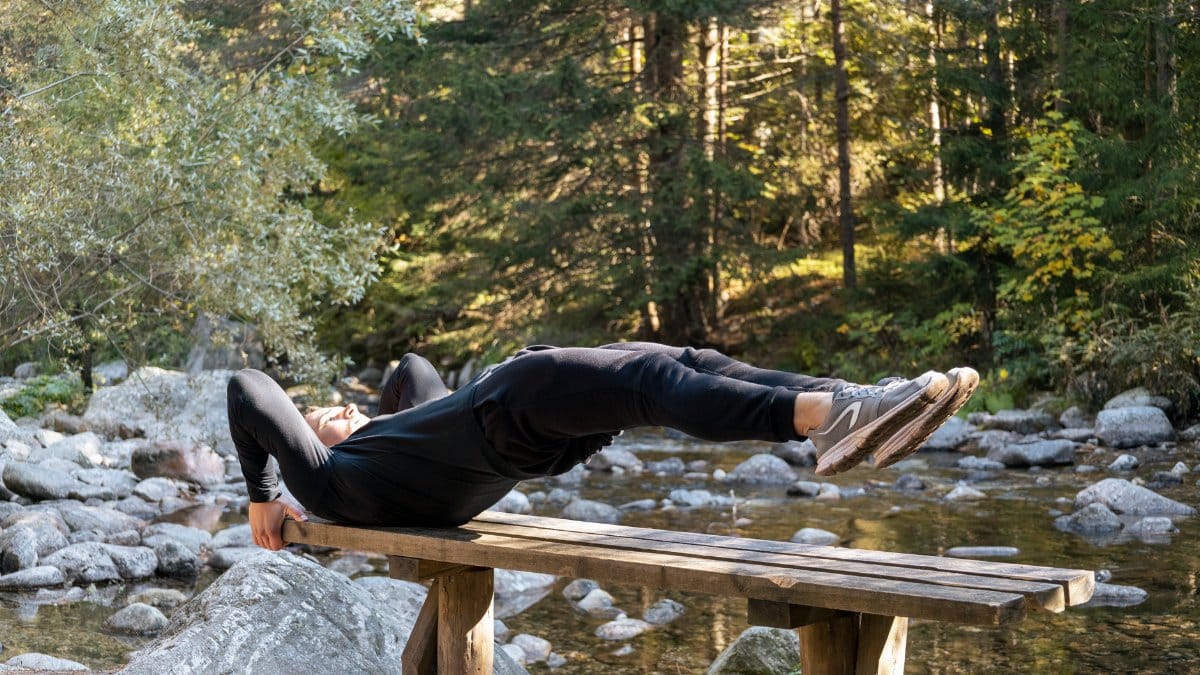
In times of relentless uncertainty, from shifting job markets to personal health challenges, individuals often search for reliable ways to remain grounded. A recent wave of interest has turned toward practices that blend awareness with self confidence, allowing people to navigate change without losing their center. Trust Exercise Mindfulness stands out here as a structured approach that encourages participants to test their own reliability in small, repeatable ways before facing larger storms.
Building Foundations Through Daily Awareness
Many middle aged professionals discover that starting the day with a brief check in on bodily sensations creates an early sense of reliability. This simple step reduces the tendency to react impulsively when unexpected news arrives later. Over weeks the habit strengthens, turning scattered attention into focused presence that supports clearer decisions at work and home.
Testing Personal Reliability in Small Steps

Trust Exercise Mindfulness invites people to set minor promises to themselves, such as completing a short walk regardless of weather, then noticing how it feels to follow through. Success in these moments accumulates evidence that one can count on personal resolve. Failures become data rather than defeats, revealing patterns that can be adjusted without harsh judgment.
Responding Creatively When Plans Unravel

Life rarely follows a straight line, yet rigid expectations often amplify stress. Practitioners learn to pause, acknowledge the break in plans, and ask what alternative path might still serve the original intention. This creative flexibility emerges naturally once inner steadiness replaces the urge to control every outcome.
Staying Compassionate Amid Shared Uncertainty

Communities facing collective disruptions benefit when members extend the same patience inward that they offer others. Trust Exercise Mindfulness includes gentle reminders that everyone carries unseen pressures. Such recognition softens interactions and reduces the isolation that often accompanies difficult periods.
Integrating Body Signals With Mental Clarity
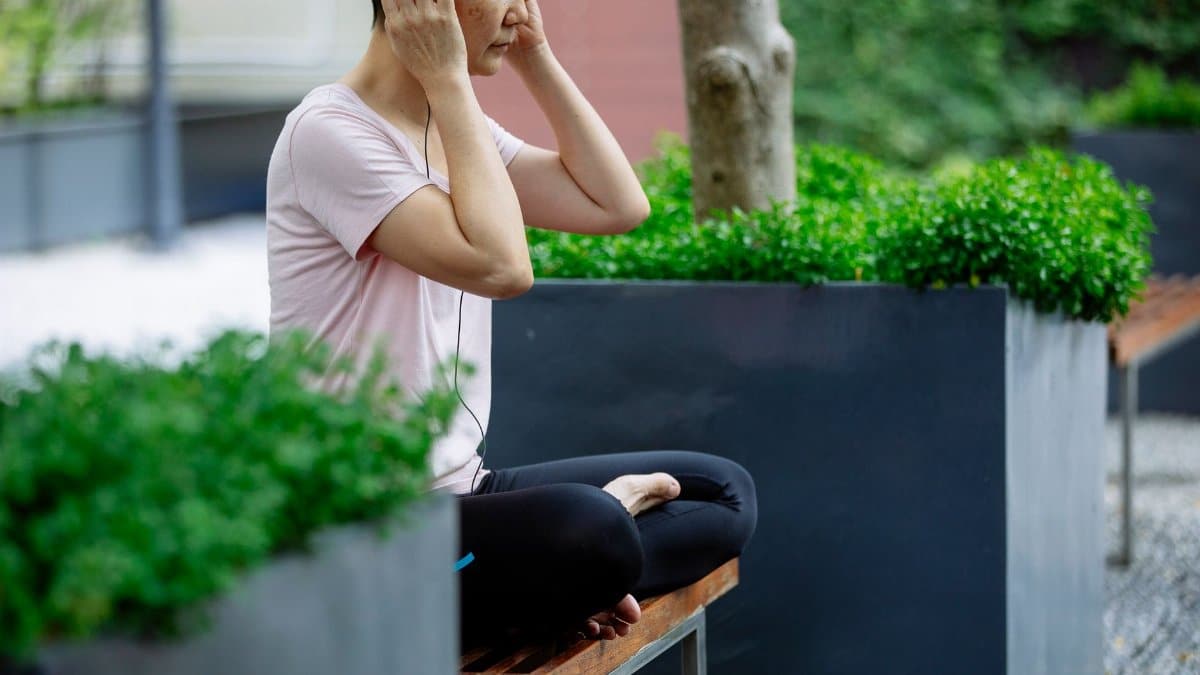
Physical cues like tightened shoulders or shallow breathing frequently precede anxious thought spirals. Training attention to these signals allows an earlier intervention, perhaps through a change in posture or a few measured breaths. The result is a smoother transition from tension to composed action.
Long Term Effects on Decision Making

Consistent application appears to sharpen judgment over months. People report fewer regrets about choices made under pressure because they have practiced returning to a steady internal reference point. This steadiness proves especially valuable during career transitions or family adjustments common in midlife.
Connecting Individual Practice to Wider Resilience
While the work begins privately, its benefits extend outward. Colleagues notice calmer responses during meetings, and family members experience more reliable emotional availability. The practice therefore functions as both personal resource and quiet contribution to surrounding networks.
Practical Ways to Begin Without Special Equipment
No special setting or instructor is required at the outset. A notebook for recording small commitments, a timer for brief pauses, and an attitude of curiosity suffice. Many start with five minutes in the morning, gradually extending the duration as comfort grows.
Observing Progress Without Rigid Metrics

Unlike fitness trackers that demand numerical targets, this approach favors qualitative notes. A person might record whether a chosen action felt aligned with values rather than whether it met an external standard. Such reflection keeps motivation intrinsic and sustainable.
Returning to the Practice After Interruptions

Even committed individuals experience gaps when travel or illness intervenes. Rather than viewing the lapse as failure, the method encourages a neutral restart on the next available day. This forgiving stance prevents the all or nothing thinking that derails many wellness efforts.
For readers interested in further exploration, the original discussion at https://www.mindful.org/trust-exercise-what-it-means-to-trust-yourself/ offers additional context on self trust. Trust Exercise Mindfulness continues to gain attention because it meets the demand for practical tools that honor both inner experience and outer demands. Over time the repeated act of checking in with oneself becomes less an exercise and more a quiet way of moving through the world.