

President Trump has signaled a new chapter in international commerce by calling for scrutiny of the European Unions approach to regulating American businesses. During remarks delivered at the White House he cited a recent one billion dollar penalty against Google as a prime example of overreach. Observers note that this step initiates the Trump EU trade investigation into practices that Washington views as discriminatory.
Details Behind the Recent Fine on Google

The European Commission imposed the penalty after determining that the search engine had violated competition rules in digital advertising. Company executives argued the decision lacked balance and favored local competitors. Officials in Brussels maintained that the ruling protected consumers and ensured fair markets across member states.
Reactions from European Officials
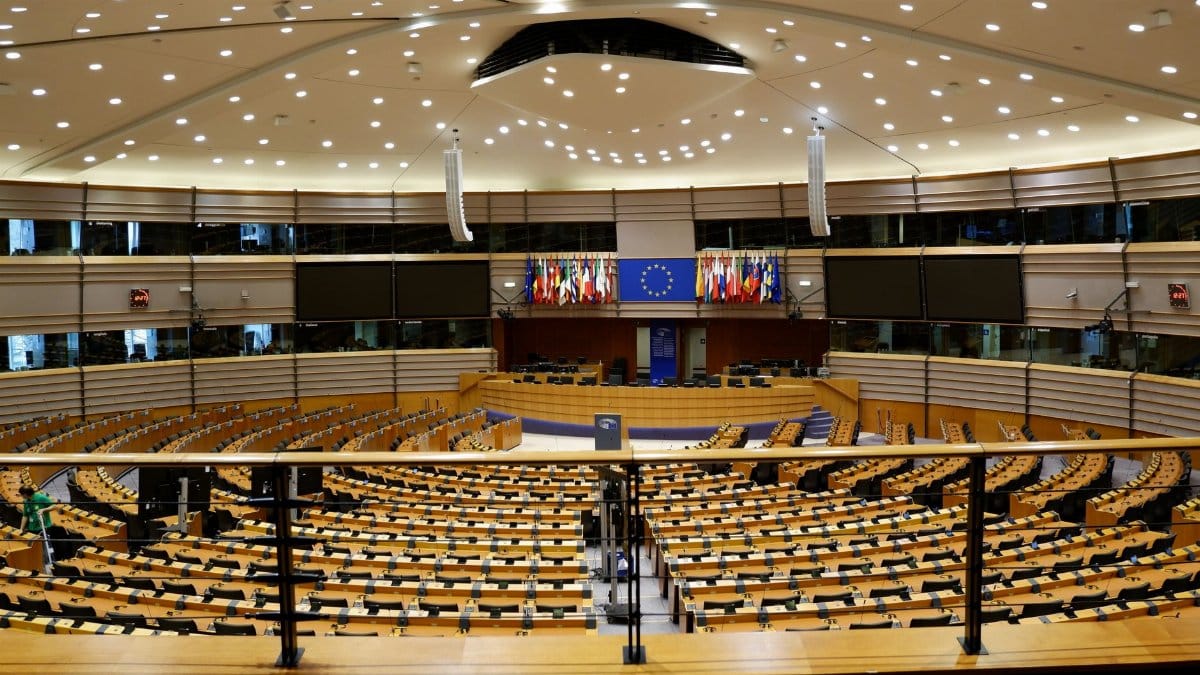
Leaders in key European capitals expressed surprise at the American response. They pointed out that similar actions have targeted firms from various nations over the years. Some suggested the announcement could complicate ongoing talks on other shared economic goals.
Potential Effects on American Companies

Technology firms based in the United States may face added uncertainty when operating in European markets. Legal teams are already reviewing compliance strategies to avoid future penalties. Industry groups have called for clearer guidelines that apply evenly to all participants.
Broader Implications for Global Trade Rules

This inquiry arrives at a moment when many nations are reassessing their commercial ties. It could influence how other regions handle disputes involving digital services. Analysts expect lengthy negotiations before any resolution emerges.
Views from the Business Community

Executives in the technology sector welcomed the attention to what they see as uneven enforcement. At the same time they urged caution to prevent escalation that might harm supply chains. Smaller exporters voiced concerns about possible retaliation affecting their shipments.
Historical Patterns in United States Europe Relations

Commerce between the two sides has featured cycles of cooperation and friction since the postwar era. Past disputes involved items ranging from agricultural products to manufactured goods. The current focus on technology reflects shifts in the global economy.
Role of Digital Regulation in Modern Policy

European approaches emphasize privacy and competition in online spaces. American counterparts often prioritize innovation and open access. The divergence has grown more pronounced with the rise of large platform companies.
Next Steps in the Formal Review Process

Government agencies will gather data from multiple sources over the coming months. Public hearings could allow input from affected parties on both sides of the Atlantic. Findings are expected to shape future policy recommendations.