
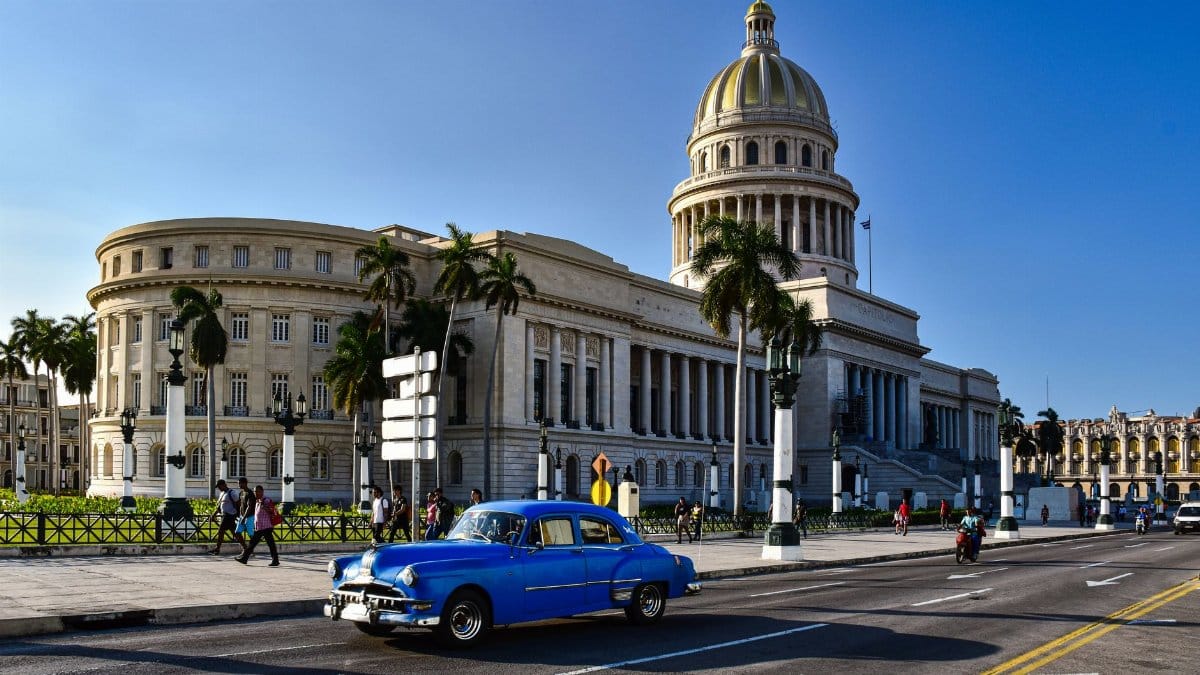
The bustling markets of Havana reveal daily struggles that have intensified with recent policy shifts. Families navigate shortages and limited opportunities as economic measures take hold. Observers note the human cost behind official announcements. In this context Cuba Sanctions Trump emerges as a pivotal development affecting the island’s future prospects. Broader implications reach into communities across the Caribbean region and influence international perceptions of American foreign policy approaches.
Background on Recent Policy Announcements

The Trump administration announced measures targeting tourism trade and energy sectors in Cuba during mid July 2026. These steps build upon earlier restrictions and aim to limit revenue streams that support the current government. Analysts describe the approach as part of a sustained effort to promote democratic changes on the island. Local businesses report immediate concerns over access to essential supplies and partnerships.
Economic Pressures on Cuban Families
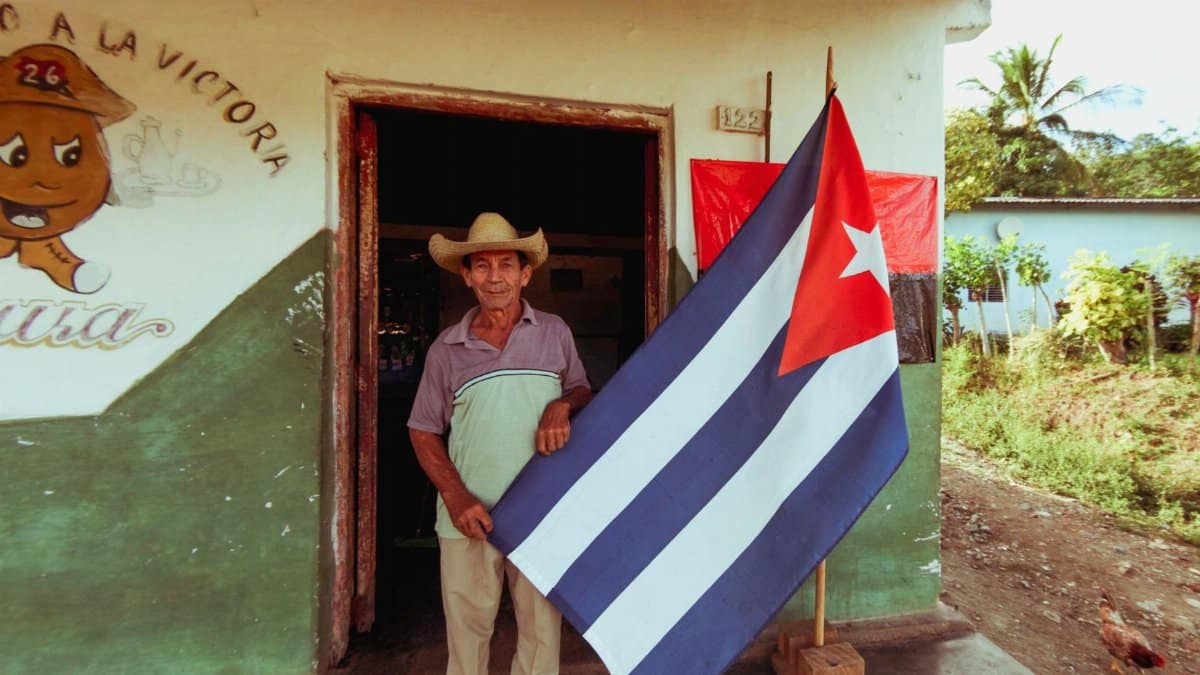
Many households face rising costs for basic goods amid the tightened rules. Remittances from relatives abroad provide some relief yet encounter new hurdles in transfer processes. Community networks often step in to share resources during periods of scarcity. Reports indicate that energy limitations compound daily hardships for residents in both urban and rural areas.
Effects on the Tourism Industry

Hotels and travel operators in Cuba have seen booking declines following the sanctions. International visitors express uncertainty about future trips due to shifting regulations. This sector previously contributed significant income that supported local employment and infrastructure projects. Alternative markets in neighboring countries now attract some of the diverted tourist flows.
Shifts in Energy Sector Operations
Energy projects involving foreign partners encounter delays and reevaluations under the new framework. Cuba relies on imported fuel for much of its power generation and the sanctions disrupt those supply chains. Officials explore renewable options as a long term response though progress remains gradual. The changes affect both industrial output and household electricity availability.
International Reactions and Diplomatic Ties
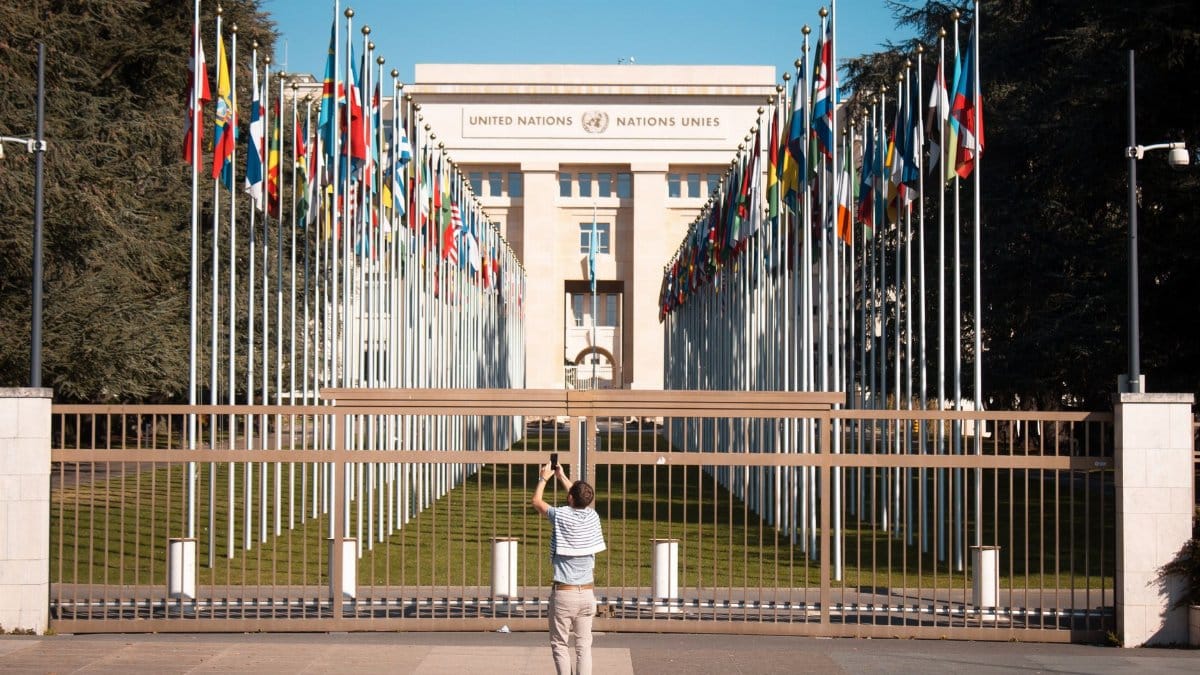
European and Latin American governments voice concerns about the broader humanitarian consequences. Some nations consider ways to maintain limited engagement despite the restrictions. Diplomatic channels stay open for discussions on migration and regional security issues. The policy highlights ongoing tensions in hemispheric relations that date back decades.
Moral Dimensions in Foreign Policy Choices

Faith based organizations examine the ethical balance between pressure tactics and support for vulnerable populations. Discussions in religious communities focus on compassion alongside calls for political accountability. Such perspectives add depth to debates that extend beyond economic metrics alone. Spiritual leaders advocate for dialogue that addresses root causes of hardship.
Historical Patterns in US Cuba Interactions

Past administrations applied similar economic tools with varying degrees of success. Lessons from those episodes inform current strategies yet outcomes depend on multiple external factors. Cuban society has demonstrated resilience through previous periods of isolation. This latest phase fits into a longer narrative of evolving bilateral dynamics.
Potential Paths Forward for the Island
Cuban authorities seek new alliances to offset the sanctions impact. Domestic reforms could play a role in attracting alternative investments over time. International observers watch for signs of adaptation in governance and economic planning. The situation remains fluid with developments likely in coming months.