
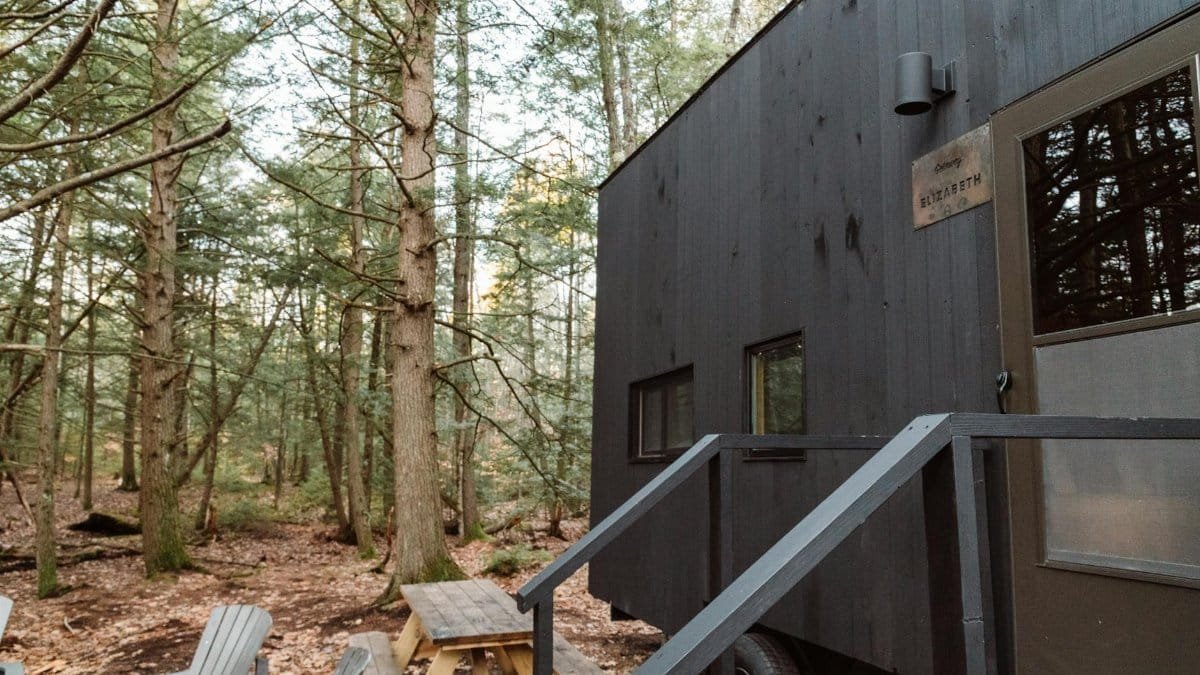
In the scenic landscapes of New Yorks North Fork a quiet revolution is unfolding. Amid vineyards and farmland a growing number of individuals are choosing to live in homes that challenge conventional notions of space and consumption. At the heart of this shift stands the Tiny home law recently enacted in Suffolk County. This legislation has not only opened doors to affordable housing but also encouraged a return to more grounded and spiritually fulfilling lifestyles. For many middle aged professionals seeking escape from the relentless pace of urban existence these compact abodes offer more than shelter. They provide an opportunity to reconnect with what truly matters. As families and individuals alike flock to take advantage of the new rules the region is witnessing an unexpected boom in construction of these pint sized residences. The trend reflects deeper yearnings for sustainability and mindfulness that resonate with readers navigating their own life transitions.
Birth Of A New Housing Approach
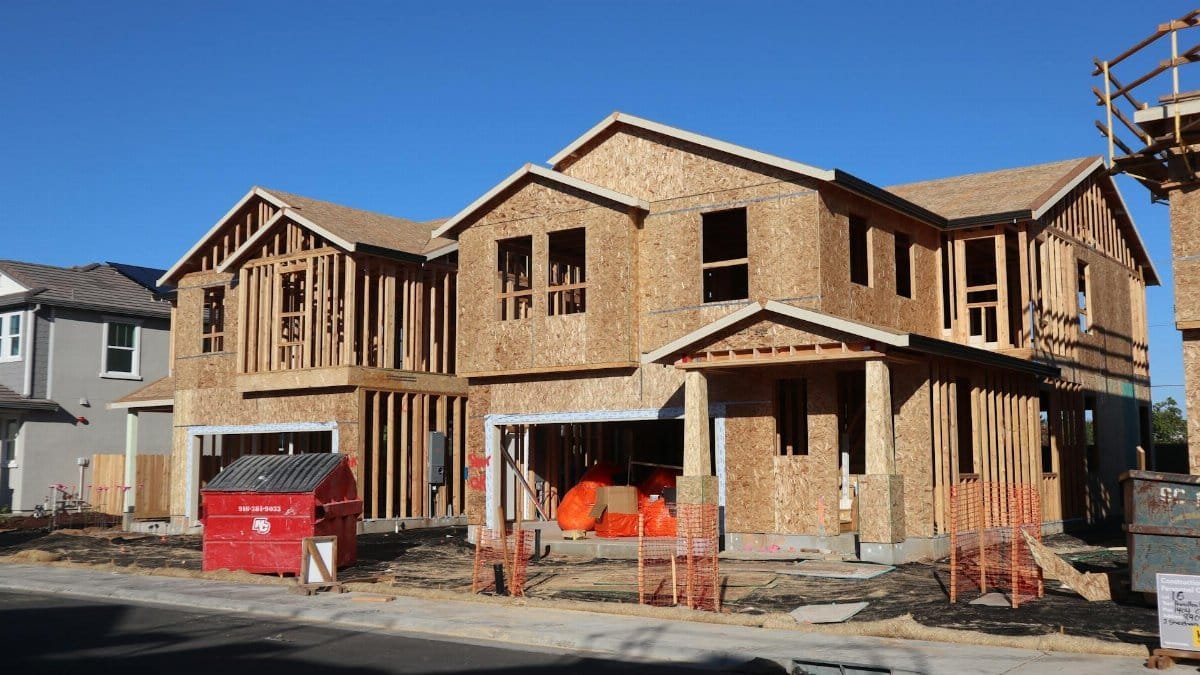
The measure emerged from years of advocacy by local residents and builders who saw a pressing need for creative solutions to the housing affordability crisis. Lawmakers listened closely to stories of families struggling to find suitable homes in an increasingly expensive market. The resulting legislation reflects a compromise that aims to preserve the areas unique character while addressing practical needs.
Advocates drew on examples from other parts of the country where similar rules have successfully expanded housing options. By focusing on compact living the law taps into a national conversation about how we define home in the twenty first century. It represents a significant departure from conventional development patterns that have dominated suburban growth for decades. County officials report that interest spiked immediately after passage with inquiries flooding planning offices from both locals and newcomers drawn to the Suffolk County lifestyle.
Key Provisions Of The Legislation

Regulators established firm guidelines to ensure these small dwellings enhance rather than disrupt the community fabric. Structures must fall between three hundred and five hundred square feet and meet basic safety standards for insulation plumbing and electrical systems. Placement on existing residential lots is permitted as long as owners maintain proper setbacks from property lines and neighboring homes.
The framework also promotes eco friendly building practices by offering incentives for solar power and rainwater collection. This careful balance has allowed innovation to flourish while addressing concerns from skeptics who feared unchecked growth. Local workshops now teach prospective builders how to navigate the approval process turning what was once a bureaucratic hurdle into an accessible pathway for homeowners.
Economic Benefits For Local Communities

The surge in tiny home construction has brought tangible economic gains to Suffolk County. Contractors specializing in compact designs report full schedules through next year creating jobs for carpenters electricians and landscapers. Property values in certain pockets have stabilized as more affordable options become available attracting younger buyers who might otherwise have left the region.
Many owners use their units as short term rentals during peak tourist seasons generating supplemental income that supports local businesses. Restaurants farm stands and service providers all benefit when more people can afford to live nearby rather than commuting from distant areas. Early analysis from regional planners suggests this model could ease the broader housing shortage without requiring massive infrastructure investments.
Environmental Advantages Of Tiny Living

Smaller homes require fewer resources to build and maintain resulting in a notably lighter ecological footprint. Residents often choose reclaimed wood and other sustainable materials that blend seamlessly with the North Forks natural surroundings. Many installations feature off grid capabilities that reduce strain on municipal utilities and promote self reliance.
This approach aligns with wider efforts to combat climate change through conscious lifestyle choices. Reduced energy consumption translates to lower carbon emissions while the emphasis on native plant landscaping helps preserve local biodiversity. Supporters point out that widespread adoption could serve as a practical model for other environmentally sensitive areas facing similar development pressures.
Personal Stories From New Residents

One couple who left corporate careers in the city described their transition as profoundly liberating. After years of accumulating possessions they found peace in a four hundred square foot space filled with natural light and views of rolling fields. Their story echoes many others who speak of rediscovering hobbies and relationships that had been sidelined by larger homes and bigger mortgages.
A retired teacher who installed a tiny home on her daughters property expressed relief at being able to age in place while maintaining independence. These accounts illustrate how the change extends far beyond economics touching on fundamental questions of purpose and presence. Since the Tiny home law took effect dozens of similar narratives have emerged painting a picture of renewed possibility.
The Spiritual Appeal Of Minimalist Homes

Compact living intersects with longstanding spiritual traditions that celebrate simplicity and detachment from material excess. Many residents report that shedding unnecessary belongings created mental space for reflection meditation and deeper connection to the natural world. In the quiet corners of the North Fork it becomes easier to hear ones own thoughts and foster a sense of gratitude.
This trend mirrors broader spiritual news and movements toward mindful consumption seen in communities exploring voluntary simplicity across faiths and philosophies. The homes themselves often become sacred spaces where morning light through small windows or evening stargazing replaces the distractions of larger dwellings. Practitioners describe enhanced awareness of seasonal changes and a stronger stewardship ethic toward the land itself. For middle aged individuals questioning long held assumptions about success these dwellings offer more than shelter. They facilitate a return to essential questions about what constitutes a meaningful life.
Addressing Concerns And Criticisms

Not everyone has welcomed the changes with open arms. Some neighbors worry about increased density and potential impacts on septic systems or traffic patterns. Others question whether tiny homes truly solve affordability issues or simply shift them in new forms. Local meetings have provided forums for these voices allowing planners to refine implementation strategies based on real world feedback.
Proponents counter that thoughtful regulation prevents the very problems critics fear. They highlight successful integrations where new residents contribute positively to community life through volunteer work and patronage of area enterprises. Ongoing monitoring will determine whether adjustments become necessary but current evidence suggests the benefits outweigh the drawbacks for most stakeholders.
Building Community In Small Spaces

Contrary to expectations of isolation many tiny home owners report stronger social bonds than they experienced in larger suburban settings. Shared gardens communal workshops and potluck gatherings have sprung up organically creating networks of mutual support. These connections often carry a spiritual dimension as people come together to discuss values sustainability and personal growth.
The physical limitations of small homes encourage interaction beyond property lines fostering a village like atmosphere reminiscent of earlier eras. In Suffolk County this emerging social fabric adds another layer to the affordable housing boom enriching lives in ways that extend well beyond square footage.
What The Future Holds For This Trend

Planners anticipate continued expansion as word spreads about the Tiny home law and its results. Proposals for dedicated micro neighborhoods are under discussion complete with common spaces designed to nurture both privacy and connection. If successful these developments could serve as templates for other regions grappling with housing shortages and spiritual hunger for simpler living.
Technological advances in modular construction and renewable energy will likely make these homes even more attractive and accessible. As climate awareness grows the appeal of low impact dwellings seems poised to increase further. The North Fork experiment demonstrates that thoughtful policy can spark not only an affordable housing boom but also a subtle shift in how people relate to possessions place and purpose.
How Other Areas Might Follow Suit

Officials from neighboring counties have already visited to study the Suffolk County model considering adaptations for their own zoning codes. Success here could influence state level conversations about housing innovation particularly as younger generations demand options that align with their values around sustainability and mindfulness.
The story of the North Fork offers valuable lessons about balancing tradition with necessary change. By embracing compact living the region has created more than new homes. It has cultivated spaces where spiritual reflection economic practicality and environmental care converge. As more communities explore similar paths the quiet revolution underway on Long Island may ultimately reshape American notions of home and fulfillment for years to come.