
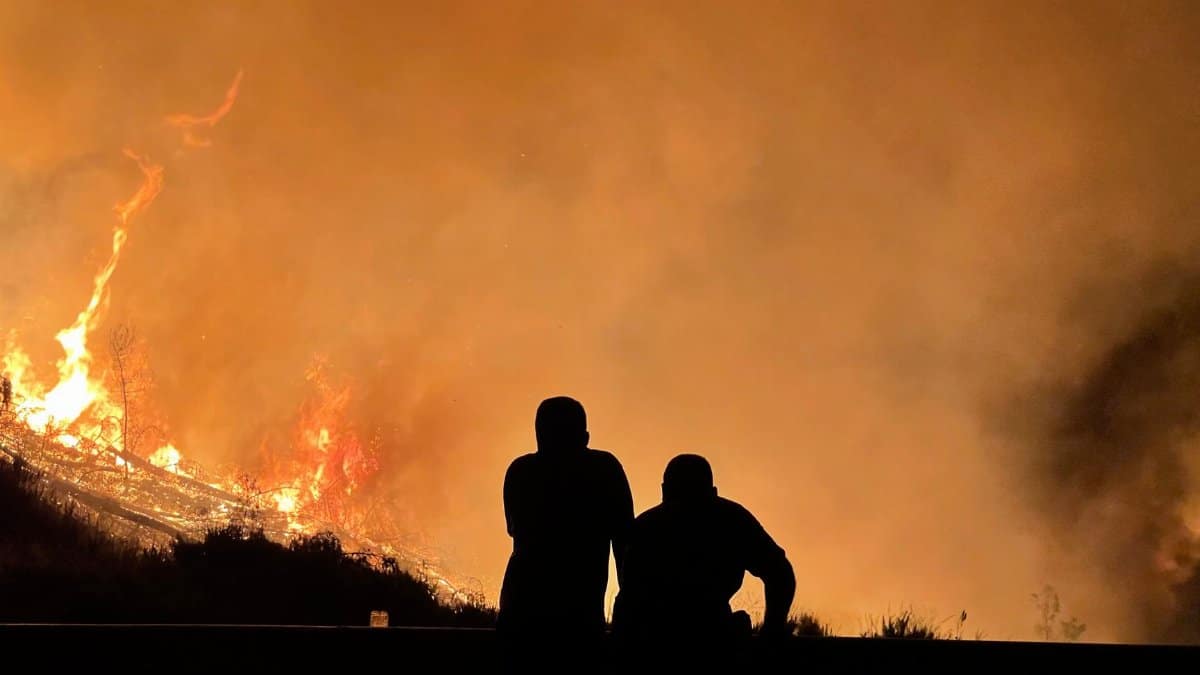
The rugged landscapes along California’s central coast face renewed threats from an advancing wildfire. Timber Fire Big Sur has grown significantly in recent weeks prompting officials to reassess containment strategies and prepare for potential expansions that could impact nearby communities and natural preserves. Residents and authorities alike watch closely as conditions shift with wind patterns that fan the flames across dry terrain.
The Evolving Threat to Coastal Areas
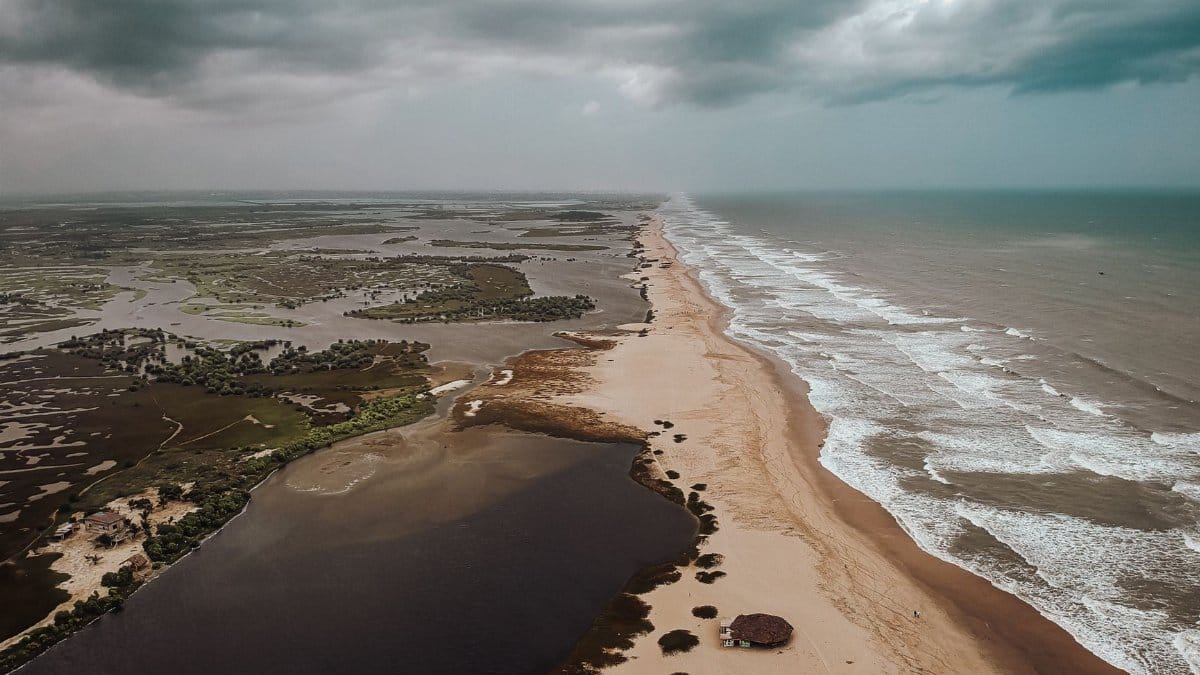
Recent assessments indicate the fire has consumed over seventeen thousand acres with containment hovering around twenty three percent. Officials note that shifting weather could push flames toward more populated stretches of the shoreline where homes and scenic routes stand vulnerable. This phase marks a departure from earlier containment hopes as the blaze gains ground in remote canyons.
Efforts by Emergency Responders

Nearly eighteen hundred fire fighters have been deployed to the front lines working in coordinated teams to build barriers and monitor hotspots. Their work involves long shifts under challenging conditions that test both physical endurance and strategic planning. Supplies and equipment arrive steadily yet the scale of the terrain demands constant adaptation.
Impact on Local Wildlife and Ecosystems

Native species in the affected zones face displacement as flames consume chaparral and forested slopes that serve as vital habitats. Conservation groups track movements of deer birds and smaller mammals seeking safer ground while assessing long term recovery needs for the scorched earth. Such disruptions ripple through the food chain and alter seasonal migrations.
Historical Context of Fires in the Region
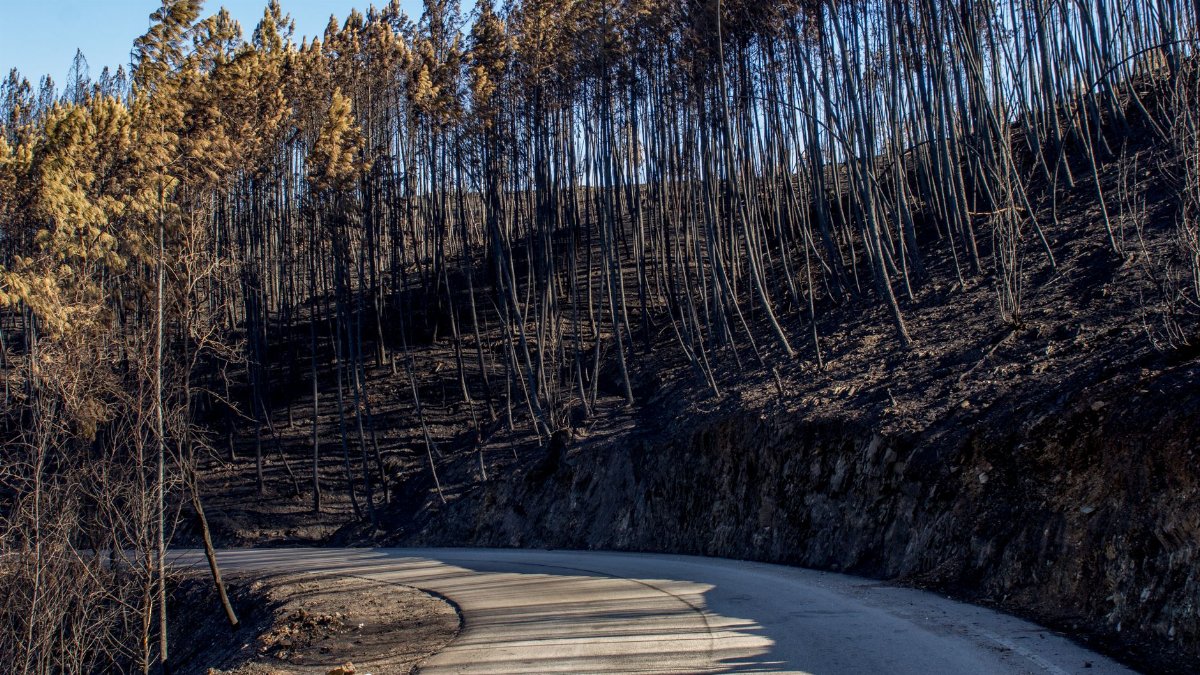
Big Sur has endured cycles of wildfire over decades with past events shaping both land management policies and community awareness. Records show similar patterns of rapid spread during dry seasons that leave lasting marks on the iconic cliffs and redwood groves. Lessons from those episodes inform current tactics yet each incident brings unique variables.
Community Preparations and Evacuations
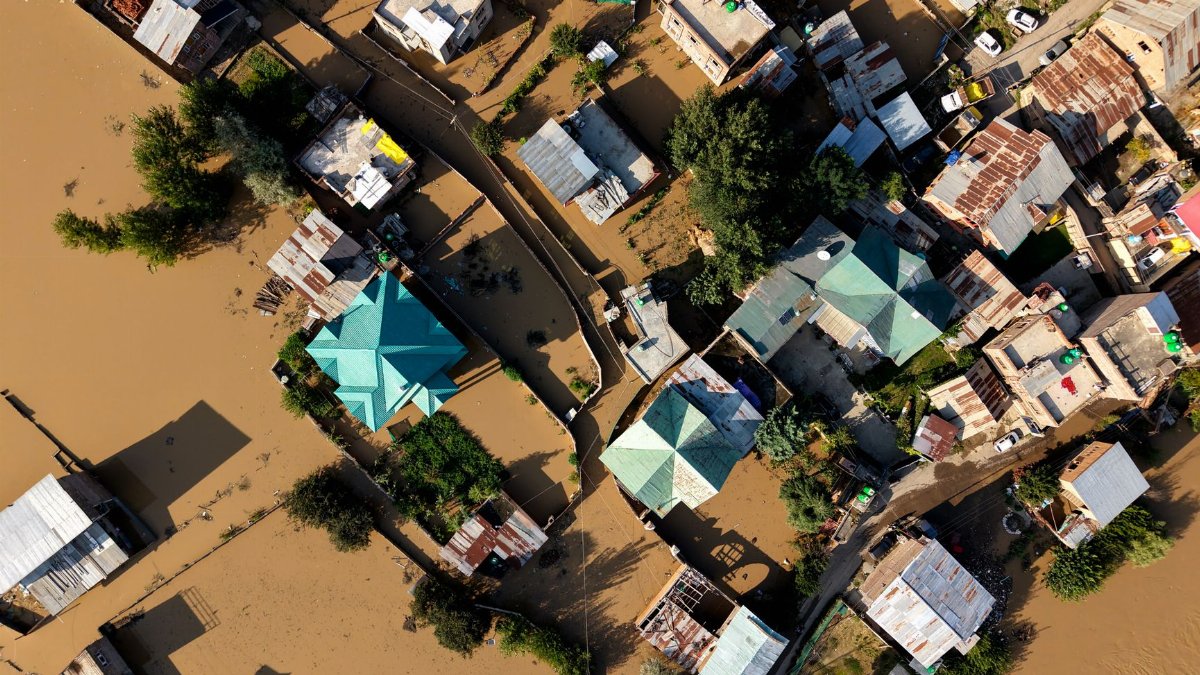
Local residents have received alerts urging readiness with some choosing to relocate temporarily while others reinforce their properties against encroaching smoke and embers. Shelters stand ready to accommodate families and support networks form quickly among neighbors. Communication lines remain active to share updates and coordinate aid.
Environmental and Climatic Factors
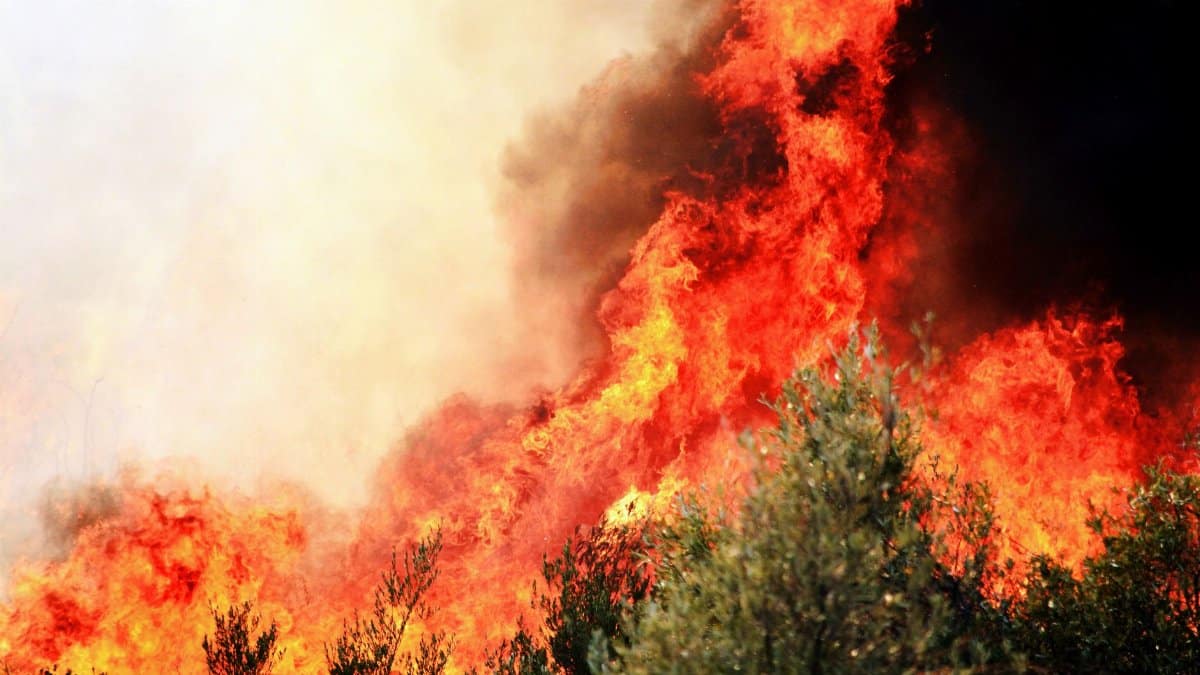
Drought conditions combined with high temperatures create ideal fuel for the flames as vegetation turns brittle and winds accelerate spread. Experts point to broader patterns of changing weather that extend fire seasons and intensify their reach across western landscapes. Monitoring stations provide data that guides daily decisions on resource allocation.
Reflections on Human Connection to Nature
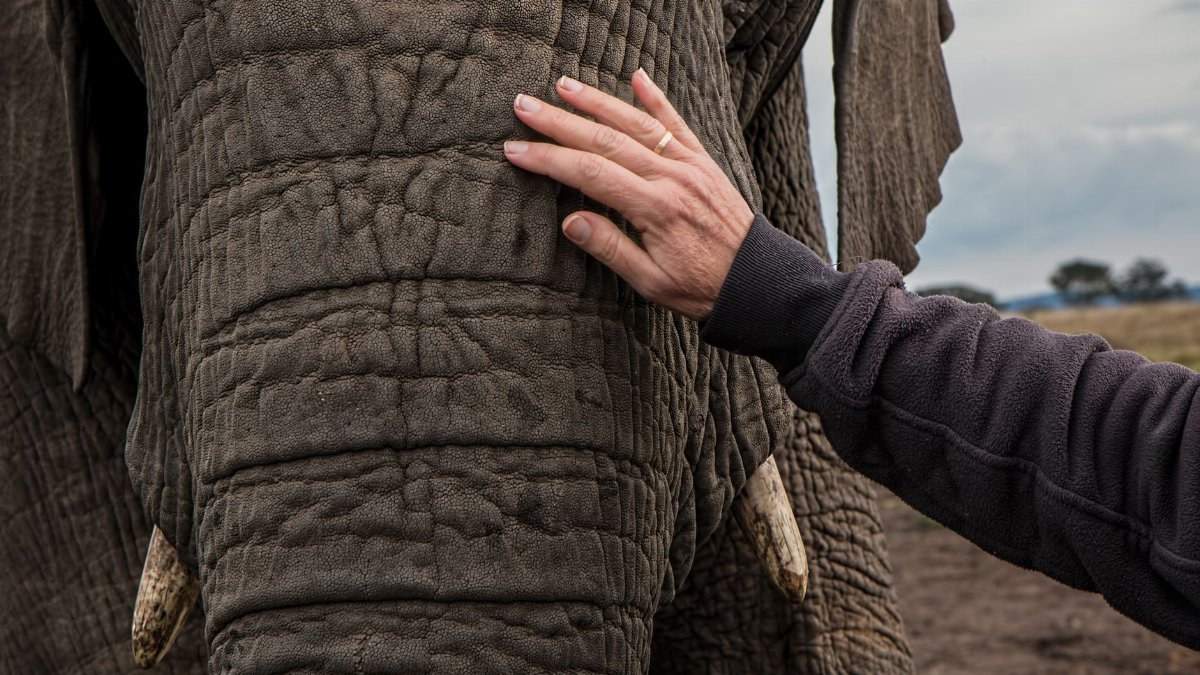
Events like this invite contemplation on the delicate balance between human presence and the raw power of natural forces along the coast. Many find renewed appreciation for the area’s beauty even amid uncertainty fostering a sense of shared stewardship. Such moments underscore the spiritual ties people hold to places of enduring wilderness.
Future Outlook and Containment Goals

Projections suggest the situation may stabilize only with sustained favorable weather and reinforced lines of defense. Agencies continue to evaluate options for additional support while emphasizing vigilance in the weeks ahead. Success hinges on collective resolve and adaptive measures tailored to the shifting environment. Timber Fire Big Sur remains a focal point for regional planning that extends beyond immediate suppression.