
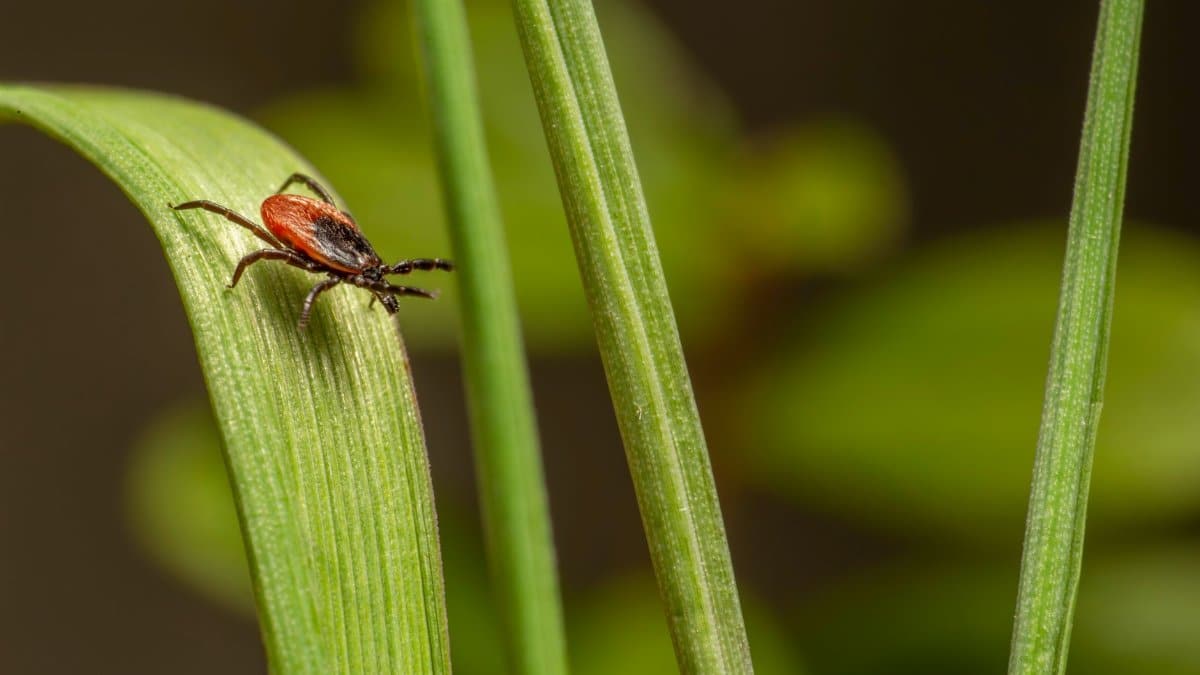
In the quiet towns across Massachusetts residents have noticed more warnings about outdoor activities as the seasons change. Concerns over New England Tick-Borne Diseases 2026, Lyme Disease Prevention, Tick Illnesses Massachusetts have prompted health officials to issue new guidelines for the coming years. Families are rethinking how they enjoy nature trails and backyards to stay safe from potential threats carried by small insects. Awareness campaigns now stress checking clothing and skin after time spent in wooded areas.
Rising Reports from Local Health Departments

Health agencies throughout the region document steady increases in cases each year. Data from state records show more people seeking treatment after encounters with ticks. Officials attribute part of this pattern to expanded surveillance and better reporting systems. Communities in rural zones feel the effects most acutely as medical facilities handle additional patients each season.
Challenges in Early Detection of Lyme
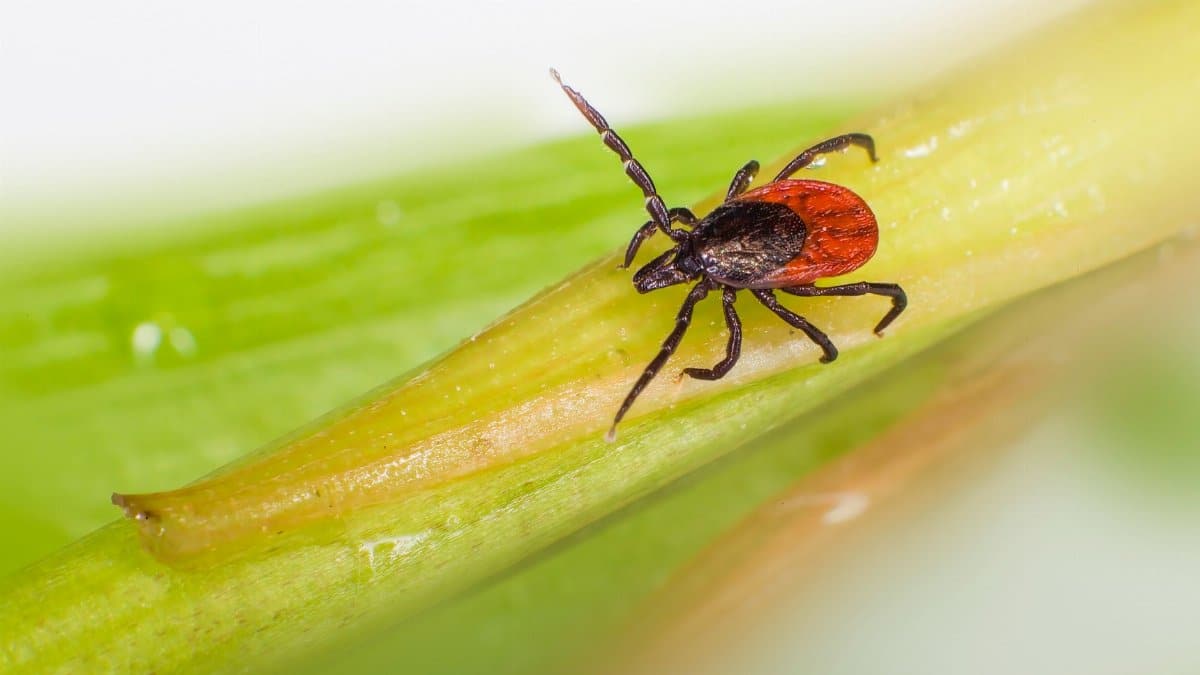
Identifying symptoms early remains difficult because initial signs often resemble common ailments. Fatigue and mild fever can delay proper diagnosis for many individuals. Medical professionals urge residents to monitor for distinctive rashes that may appear days after exposure. Prompt attention improves outcomes and reduces longer term complications that affect joints and the nervous system.
New Tools for Protection Against Ticks
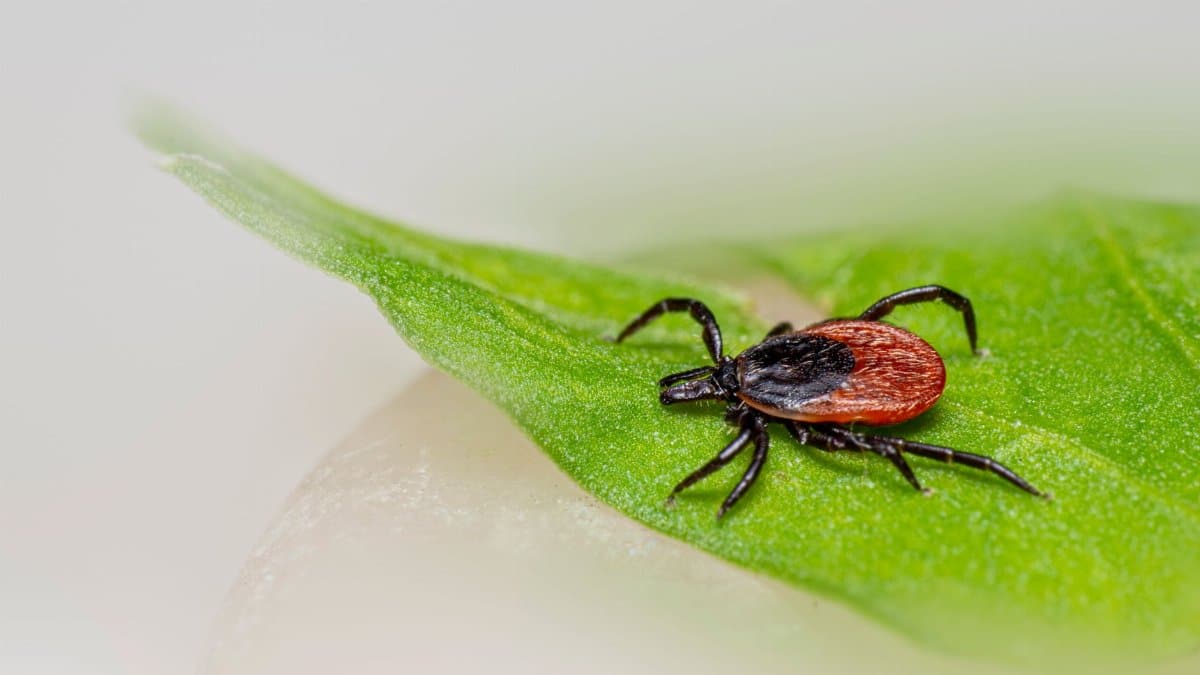
Researchers develop sprays and treated fabrics that repel insects more effectively than older products. These options undergo testing for safety around children and pets. Public health messages now include demonstrations on proper application techniques during community workshops. Adoption of such measures can lower exposure risks during peak activity months.
Community Education Efforts in Massachusetts

Schools and town halls host sessions that teach recognition of tick habitats and safe removal methods. Volunteers distribute printed materials in multiple languages to reach diverse populations. Local leaders collaborate with experts to tailor advice for different age groups and activity levels. Sustained outreach builds habits that protect entire households over time.
Role of Climate in Expanding Tick Habitats

Warmer conditions allow ticks to survive winters in greater numbers and move into new territories. Forests and parks once considered low risk now require extra caution. Ecologists track these shifts through field studies that map population changes year after year. Understanding these environmental factors helps forecast where prevention resources will be needed most.
Vaccine Developments on the Horizon

Pharmaceutical companies advance candidates through clinical trials aimed at broad protection. Early results suggest strong immune responses in test groups. Regulators review safety profiles before wider availability. Residents follow updates closely as New England Tick-Borne Diseases 2026, Lyme Disease Prevention, Tick Illnesses Massachusetts remain a priority topic in regional planning.
Antibody Treatments Showing Promise

Experimental therapies deliver targeted antibodies that neutralize threats shortly after exposure. Hospitals in urban centers pilot these approaches with select patients. Success depends on rapid administration within hours of a bite. Ongoing studies refine dosing and delivery to maximize benefits while minimizing side effects.
Advice for Outdoor Enthusiasts

Hikers and gardeners adopt layered clothing in light colors that make insects visible. Tucking pants into socks creates a barrier during walks. Regular checks with mirrors or assistance from others catch problems before they worsen. These simple steps integrate into routines without limiting enjoyment of natural spaces.
Impact on Daily Life in New England

Parents adjust play schedules for children to avoid peak tick hours in the evening. Pet owners apply preventive products to dogs and cats that roam yards. Real estate discussions sometimes touch on property maintenance to reduce brush near homes. Such adjustments reflect a broader cultural shift toward proactive health management.
Policy Recommendations for 2026

State legislatures consider funding increases for research and public programs. Coordination between neighboring states strengthens response networks during outbreaks. Insurance coverage expansions could ease costs for treatments and protective items. New England Tick-Borne Diseases 2026, Lyme Disease Prevention, Tick Illnesses Massachusetts initiatives receive attention in budget discussions at multiple levels of government. New England Tick-Borne Diseases 2026, Lyme Disease Prevention, Tick Illnesses Massachusetts planning emphasizes equity so underserved areas gain access to emerging resources. Continued investment promises to ease burdens for residents in coming seasons.