

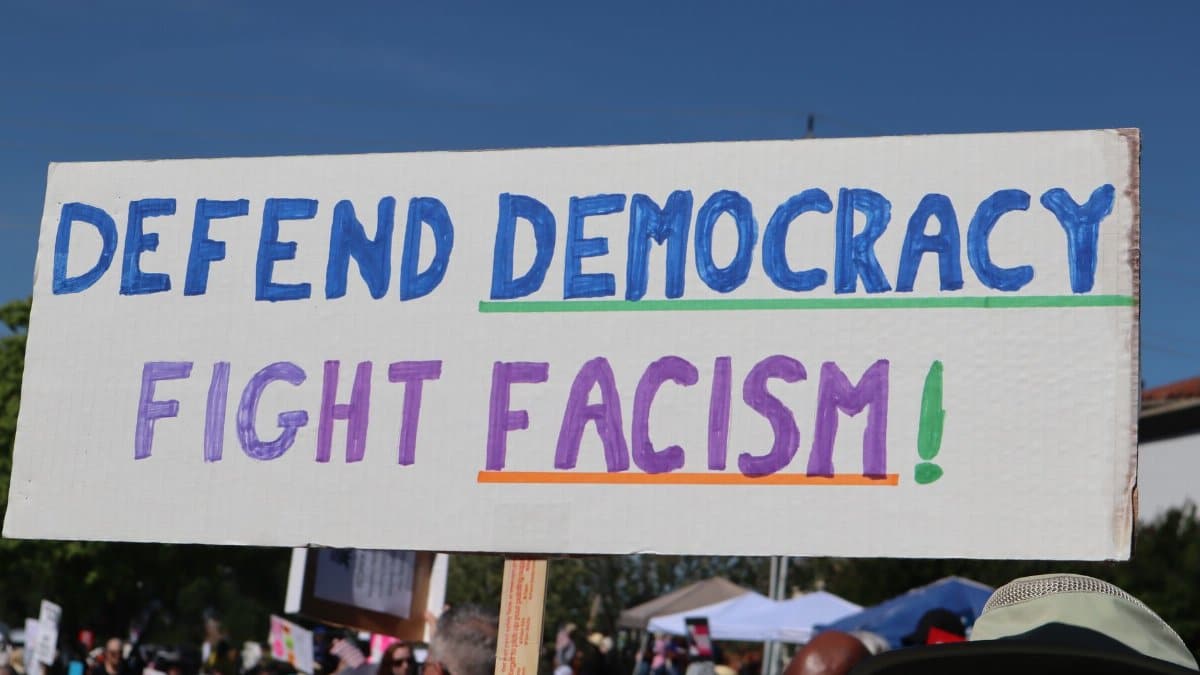
On a bright October morning in Sacramento, clerical staff, nurses, and analysts left their desks and gathered near the Capitol with handmade signs. The California state workers strike, called by SEIU Local 1000 for October 21, 2026, was planned as a single day of absence. It was also planned as a message. Union leaders said thousands of members walked off the job to press Governor Gavin Newsom for larger raises and a genuine right to work from home. Offices that usually process permits, benefits, and case files went quiet while picket lines formed outside state buildings.
A short stoppage with a longer argument

A one day strike is a blunt instrument. It does not shut the state for a week, and it does not empty every office. What it does is make the dispute visible. SEIU Local 1000 represents a huge share of rank and file civil servants, the people who answer phones, review applications, staff institutions, and keep benefits moving. When that many workers step away together, managers notice, and so does the public that depends on those desks.
The union framed the walkout as a contract fight, not a protest against the idea of public service. Members want pay that reflects California prices and rules that treat remote work as a normal tool rather than a temporary courtesy. The Los Angeles Times account of the day, published as thousands of California state workers walk off the job in a contract dispute with Newsom, is the clearest public record of how the action unfolded.
Why raises sit at the center

California state employment has long traded a measure of stability for wages that often lag private employers in the same cities. That bargain frays when rent, groceries, and childcare climb faster than paychecks. Workers in Sacramento, Los Angeles, Oakland, and San Diego do not share one cost of living, yet they often share one salary schedule. A raise that looks adequate on a spreadsheet in a budget office can feel thin in a neighborhood where a one bedroom apartment consumes most of a monthly check.
Union leaders have argued that recent offers did not close that gap. The state, for its part, has to balance labor costs against a budget that swings with capital gains and a tax system tied to a relatively small number of high earners. Neither side is inventing the pressure. The argument is over who absorbs it. A walkout does not settle that math. It forces the math into public view.
The remote work demand is not a side issue
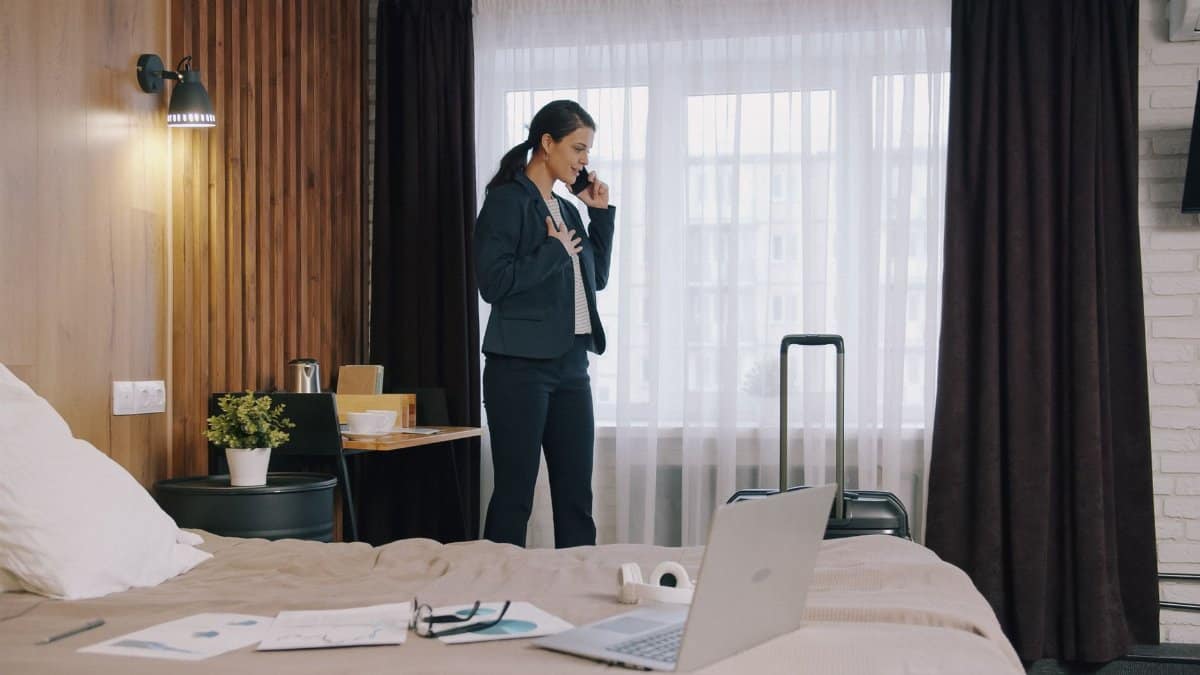
Flexibility to work from home is the second pillar of the dispute, and it is easy to misread as a lifestyle preference. For many classifications it is a question of recruitment and retention. Private employers in tech, finance, and professional services still offer hybrid schedules. State agencies that insist on full time presence lose applicants who can earn more and commute less somewhere else.
Remote work also changes who can take the job. A parent in the Central Valley, a worker with a long medical commute, or an employee priced out of housing near a downtown office can stay in public service if the laptop is allowed to travel. Managers worry, with some reason, about training, supervision, and jobs that truly require a physical site. Prisons, hospitals, and field inspections do not become virtual because a contract says so. The harder cases are the office roles that proved they could function off site during the pandemic and were then called back without a clear standard for when presence is essential.
That is why the California state workers strike treated telework as a bargaining subject rather than a management memo. Members want language they can enforce, not a policy that can be revised by the next department director.
Who actually left the building
State government is not one workplace. It is a patchwork of departments with different missions and different tolerance for a missed day. Analysts in large administrative agencies can sometimes pause a queue. Nurses, psychiatric technicians, and other direct care staff cannot pause a patient. A lawful strike in this setting is as much about who stays as about who leaves. Essential coverage, picket shifts, and return times are negotiated realities, not slogans.
Thousands is a large number and also an incomplete one. Local 1000 is far bigger than the crowd on any single sidewalk. Participation varies by office, by classification, and by how exposed a worker feels. Some members see a one day action as the least they can do. Others worry about backlog, public anger, and a governor who has not always welcomed labor confrontation. Both reactions are rational. A union that pretends unanimity is doing public relations, not reporting.
What the public feels when a window closes

For residents, the strike is not an abstraction. A closed counter can mean a delayed license, a benefits question that waits until tomorrow, or a call that rings longer than usual. Those frictions are real, and they land hardest on people who cannot hire a private alternative. Civil service exists because markets do not reliably deliver driver licenses, unemployment insurance, or oversight of public institutions.
It is also true that a workforce that cannot afford to stay will produce slower service in a quieter way. Vacancies, turnover, and training gaps do not make headlines the way a picket line does. They show up as longer waits month after month. Readers can hold both facts at once. A walkout inconveniences the public. A hollowed out workforce inconveniences the public for longer.
Newsom and the politics of a friendly fight
Governor Newsom is not a stranger to organized labor. Democratic governors in California usually are not. That proximity can make a contract dispute more awkward, not less. Allies expect loyalty, and loyalty is a poor substitute for a number both sides can sign. A public strike by state workers puts the governor between a union that helped build his coalition and a budget office that will be asked to explain every added percentage point.
The politics cut in more than one direction. Voters who support unions in the abstract still notice when a DMV line grows. Voters who dislike public employee bargaining still expect the state to function on a Wednesday. Newsom’s room to move depends on revenue forecasts, on what other unions have already won, and on whether remote work can be framed as savings rather than as a concession. Office leases, recruitment, and productivity claims all sit inside that frame. None of them replaces the need for a written deal.
How a day like this is supposed to work

Labor law for California state employees is its own system, with its own board and its own limits on what a strike can lawfully cover. A one day action is often a signal inside bargaining, a way to show that a strike vote was not theater. It raises the cost of delay without committing either side to an open ended shutdown. After the signs come down, mediators, bargaining teams, and department heads return to tables that were already set.
That return is where outcomes are made. Press conferences do not write salary steps. They create a climate. If the state treats the walkout as noise, talks stall. If the union treats every counteroffer as an insult, talks stall in the other direction. Experienced negotiators on both sides know the difference between a public posture and a closable gap. The rest of us mostly see the posture.
What members are really measuring

Talk to state workers away from a microphone and the demands often get more specific than a slogan. They talk about step increases that stall, about classifications that have not been updated while the work has grown more technical, about supervisors who allow telework until a headline makes them nervous. They talk about colleagues who left for counties, cities, or private firms and did not come back. Those details rarely fit on a sign. They are the substance of a contract.
Raises without retention still fail. Flexibility without clear rules still fails. A deal that looks generous in a news release and unworkable in a regional office will be relitigated in grievances for years. That is the unglamorous standard a settlement has to meet. The California state workers strike put that standard on the calendar for a day. It did not, by itself, meet it.
The day after the signs come down
By the next morning, most of those workers were expected back at their desks, in person or online, clearing the work the walkout had paused. Backlogs forgive no one. The political question is whether October 21, 2026, changed the offers on the table or merely marked a date both sides will cite later. One day actions succeed when they shorten the distance to a signature. They fail when they become a ritual both camps can survive without moving.
California has been here before, with this union and with others. The pattern is familiar: public pressure, private numbers, a compromise that satisfies neither press release. What is less familiar is how firmly remote work now sits beside wages as a condition of staying. That shift will outlast this bargaining round. Agencies that treat it as a fad will keep losing people. Unions that treat every job as portable will lose credibility with the public and with their own members in hands on roles.
For now the record is straightforward. Thousands walked off. They asked Newsom’s administration for better raises and for flexibility to work from home. The state still has to decide what it will pay, and what kind of office it is willing to run, if it wants those workers to keep showing up after the cameras leave. The reporting in the Los Angeles Times remains the best starting point for readers who want the day’s account rather than a secondhand summary: thousands of California state workers walk off the job in a contract dispute with Newsom.