
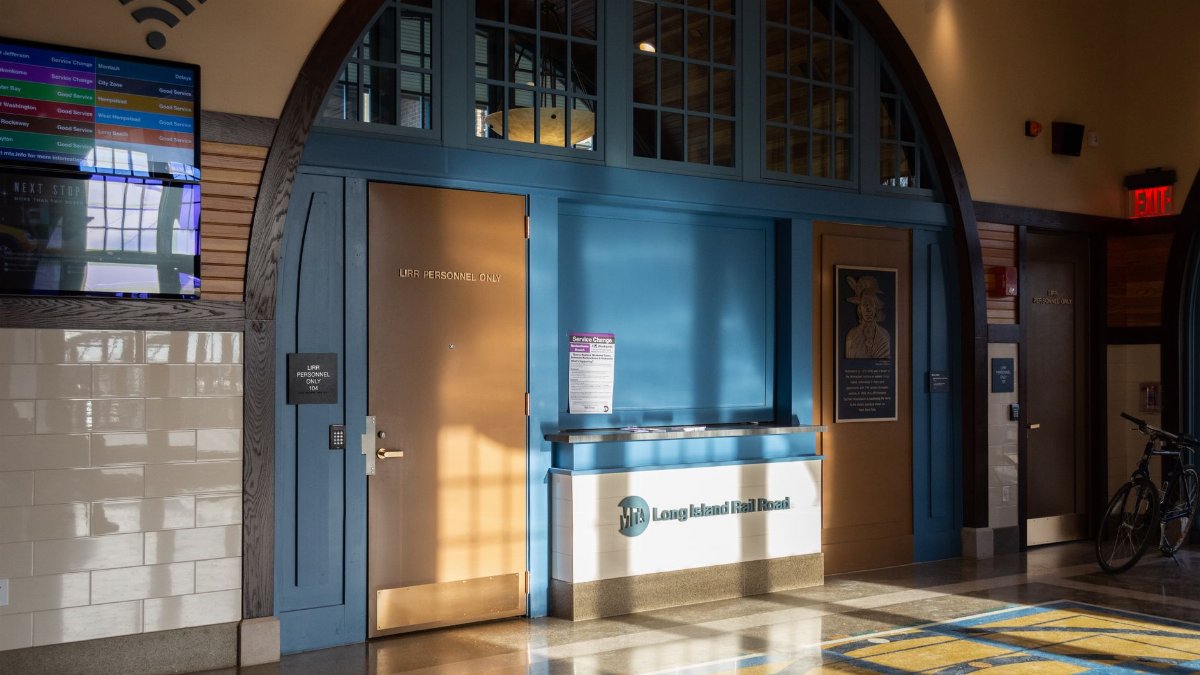
On a gray Monday morning, the people who keep the Long Island Rail Road moving and the officials who pay them will sit down again, with the calendar pressing harder than the coffee. For riders who measure their lives in departure boards, the phrase LIRR strike talks is no longer an abstraction. It is the difference between a familiar seat and a scramble for a highway that already fails them. The meeting is expected to focus on wages and the work rules that shape overtime, staffing, and how trains are crewed. Neither side has announced a deal. Both know that a breakdown would ripple far beyond a bargaining table in New York.
A Monday meeting with little room for theater

The session expected this Monday is a working meeting, not a ceremonial restart. The Metropolitan Transportation Authority and the unions that represent Long Island Rail Road employees will face one another while a possible strike remains a live threat. In public, both sides have cast the LIRR strike talks as a chance to narrow differences before riders feel them in canceled trains. The private agenda is more stubborn. Pay scales, the pace of raises, and the rules that govern who does which job have stalled earlier sessions. Useful work starts when a number appears that the other side did not expect, or when a sacred sounding rule is rewritten without giving up safety. Monday will show whether they are there yet.
Wages and the cost of keeping people

Money is the plainest fight. Workers point to years in which housing, food, and childcare on Long Island outran many public paychecks. A conductor who can find similar hours elsewhere, or who can leave the region, is a retention problem as well as a fairness argument. Union leaders describe a raise as the price of keeping experienced people on a system that cannot train replacements overnight. The authority answers with a budget already spoken for. Fare revenue, dedicated taxes, and state support do not grow because a contract cycle has arrived. Officials fear that a rich settlement on one railroad becomes the pattern for the next negotiation. Wage talks here are read, fairly or not, as a signal to subway workers, bus operators, and the politicians asked to close any gap.
Work rules that matter when a train is late
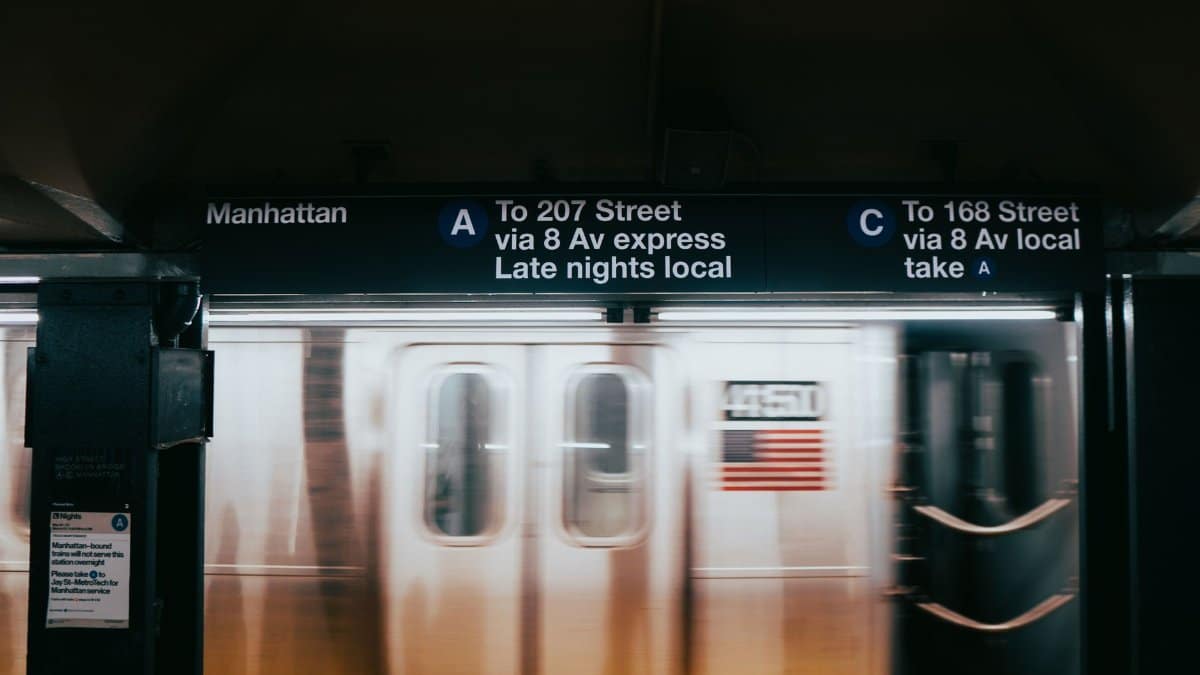
If wages are the headline, work rules are the fine print that decides whether a deal can be run. They cover staffing minimums, how overtime is assigned, when a worker may be moved, and what happens when a trip runs long. To a commuter they can sound like inside baseball. To a person covering a sick colleague before dawn in Jamaica, they decide whether the day stays manageable. Management says older rules waste labor and slow recovery after a disruption. Unions say those rules were written after accidents, grievances, and years of watching schedules expand without adding hands. A line that looks inefficient on a spreadsheet may be why a platform is not short at the evening peak. Any rewrite has to survive that test.
What a stoppage would do to Long Island
A strike on this railroad is not a neighborhood inconvenience. Hundreds of thousands of people ride on a normal weekday, bound for offices, hospitals, campuses, and the service jobs around them. If trains stop, some will drive, and the expressways will show it quickly. Others will crowd onto buses never built for that load. Many will not arrive at all. That means missed shifts and appointments that cannot slide. A teacher living in Suffolk County and working in Queens has no private backup. Neither does a home health aide expected at a set hour. Large estimates of lost productivity miss the sharper picture: a day of pay gone, a child collected late, a boss who does not care why the train failed to run.
Riders who have no quiet alternative

Public debate loves the commuter who can work from a kitchen table. That person exists, and remote work has changed the peak since the pandemic years. It has not replaced people whose jobs require a body in a place. Construction crews, nurses, court officers, restaurant staff, and retail workers still use the railroad because a car may be out of reach or a drive may cost more in time and tolls than they can spare. They do not sit in the bargaining room, yet both sides claim them. During these LIRR strike talks, union messages speak of respect for the people who get you there. Authority statements speak of protecting service and fares. Riders mostly want a boring result: a train that comes and a morning that does not begin with an app that has nothing new to say.
How memory shapes the caution in the room

New York does not forget transit trouble quickly. Riders still talk about frozen switches, a single disabled train that poisoned an evening, and contract fights that ended only after service wobbled. Even when a full strike was avoided, the threat changed behavior. People left earlier. Employers loosened start times for a week and then forgot. Confidence takes months to return. That memory pushes negotiators to look serious and tempts them to speak in absolutes. The public hears those lines and assumes collapse is closer than it may be. Mediators know the gap between a hard quote and a hard position. Most riders do not.
The authority case for restraint

The MTA case is familiar to anyone who has followed its finances. Signals, stations, and cars older than some riders compete with operating costs. Debt service does not pause for a contract year. A wage package that looks modest in one local becomes enormous across thousands of employees and then echoes elsewhere. Officials argue that riders have already absorbed fare increases and service quirks, and that asking them to fund a settlement with no gain in reliability is thin. Whether that lands depends on trust. Delays and opaque project costs have made trust fragile. Restraint is easier to demand from an institution people believe has been careful.
What unions say they are defending
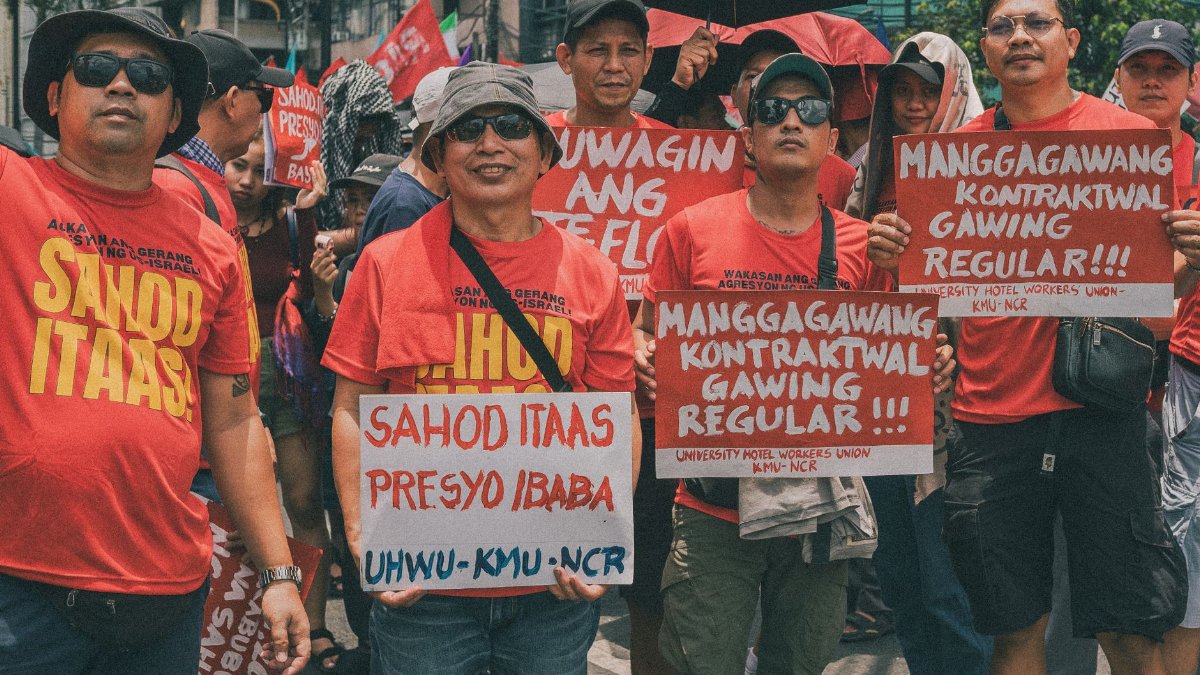
Union language is about dignity as much as dollars. The work is skilled, timed to the minute, and open to weather and the strain of a system that barely sleeps. Representatives say members kept service going through the worst of the pandemic, often without the comforts office workers later learned to expect. They want that history in the next contract, not in a thank you note. They also treat work rules as safety language. Fatigue on a railroad is not a private matter. If a deal trades rest and staffing for a slightly larger percentage, some members will call it a loss. A bargain leaders cannot sell in a meeting hall is only a prelude to the next fight.
The audience outside the bargaining room

No large transit contract here is only a labor story. Governors, legislators, and mayors all have a stake in whether trains run and whether they are blamed if they do not. A strike would become a political event within hours, with emergency bus plans and sharp questions about who allowed it. Outside pressure can help by making failure expensive. It can also harden talks if either side expects a powerful ally to rescue them from compromise. The better version is quiet. A clear word that a shutdown is unacceptable should not dictate the cents on a wage scale. The health of the LIRR strike talks will depend as much on that outside room as on the table. Riders should notice the silence, or the noise, from elected leaders who will live with the result.
What commuters should watch next
When the session breaks, the useful details will be small. Did the parties set another day, or leave the timing vague? Did anyone describe movement on wages or a contested work rule, rather than the empty comfort of productive discussions? Are strike deadlines or cooling off periods mentioned with dates? A missing date is not always comfort. A printed date is not always doom. It is information. Commuters need not become labor lawyers. They do need a plan for a little uncertainty: an earlier train, a word with an employer, a backup for childcare. Every settlement is paid by someone, whether through a state check, a higher fare, or deferred maintenance that shows up later as delay. The hope attached to the LIRR strike talks is modest and worth holding. Adults in a room can price the work fairly, keep trains staffed safely, and spare the region a week it does not need to lose.