
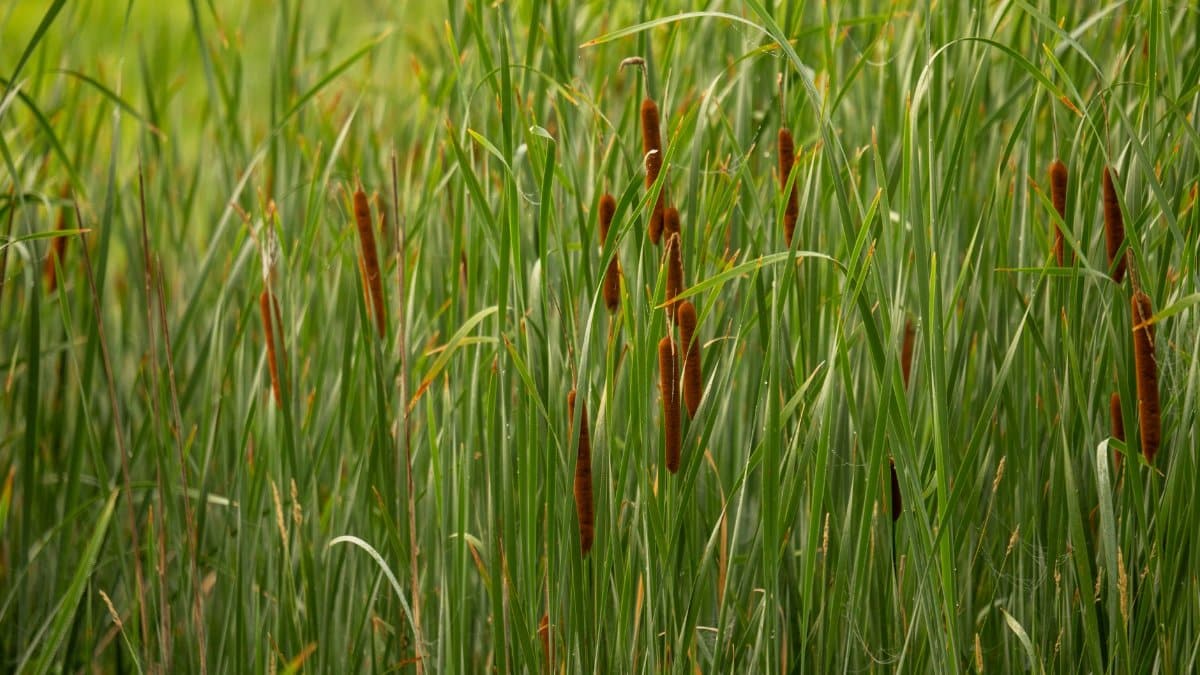
In northern wetlands where water meets sky, thick stands of reeds have started to crowd out the familiar mix of cattails and wild rice that have long defined these places. The arrival of invasive phragmites signals a shift that could reshape marshes across Minnesota if current efforts lose momentum.
Early Signs of Change in Northern Marshes
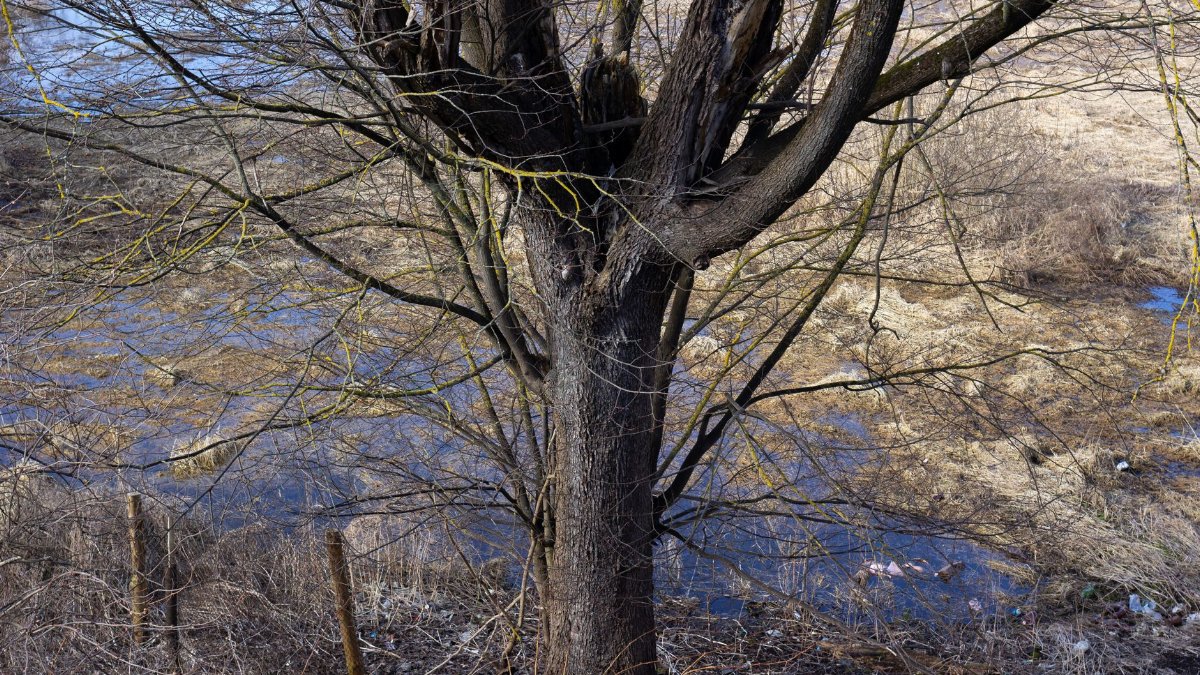
Observers first noted small patches of the reed near Duluth shipping channels several years ago. Those initial clusters grew outward each season, forming dense walls that blocked views and altered water flow. Local bird watchers reported fewer sightings of species that once nested among shorter native plants. The pattern matched what had already happened in parts of the Great Lakes region farther east.
How the Reed Alters Water and Soil

Once established, invasive phragmites sends roots deep and releases chemicals that discourage other vegetation. Standing water becomes stagnant behind the thick stems, reducing oxygen levels that fish and amphibians need. Soil chemistry shifts as well, with higher salinity levels recorded in areas where the reed dominates. These changes happen gradually yet prove difficult to reverse once the plant covers several acres.
Current Containment Work Across the State
Minnesota agencies coordinate seasonal cutting and targeted herbicide application on known sites. Crews return to the same locations each summer to prevent regrowth from remaining root fragments. Maps updated annually show treated zones remaining stable while untreated patches continue to expand. The approach relies on early detection and repeated visits rather than one time removal.
Role of Shipping and Recreation in Spread

Boats and construction equipment can carry tiny root pieces between lakes and rivers. Seeds also travel on wind and water currents, though root fragments account for most new colonies. Public access points near the Twin Cities have required extra monitoring after several small infestations appeared along popular trails. Education programs now ask anglers and paddlers to inspect gear before moving to new waters.
Comparison With Other States Experiences

Michigan and Ohio invested heavily after invasive phragmites had already covered thousands of acres. Recovery there has required millions in annual spending and still leaves large areas under partial control. Minnesota benefits from acting while total coverage remains under a few hundred acres statewide. The difference in scale allows current budgets to focus on prevention instead of large scale restoration.
Impact on Wildlife and Plant Diversity
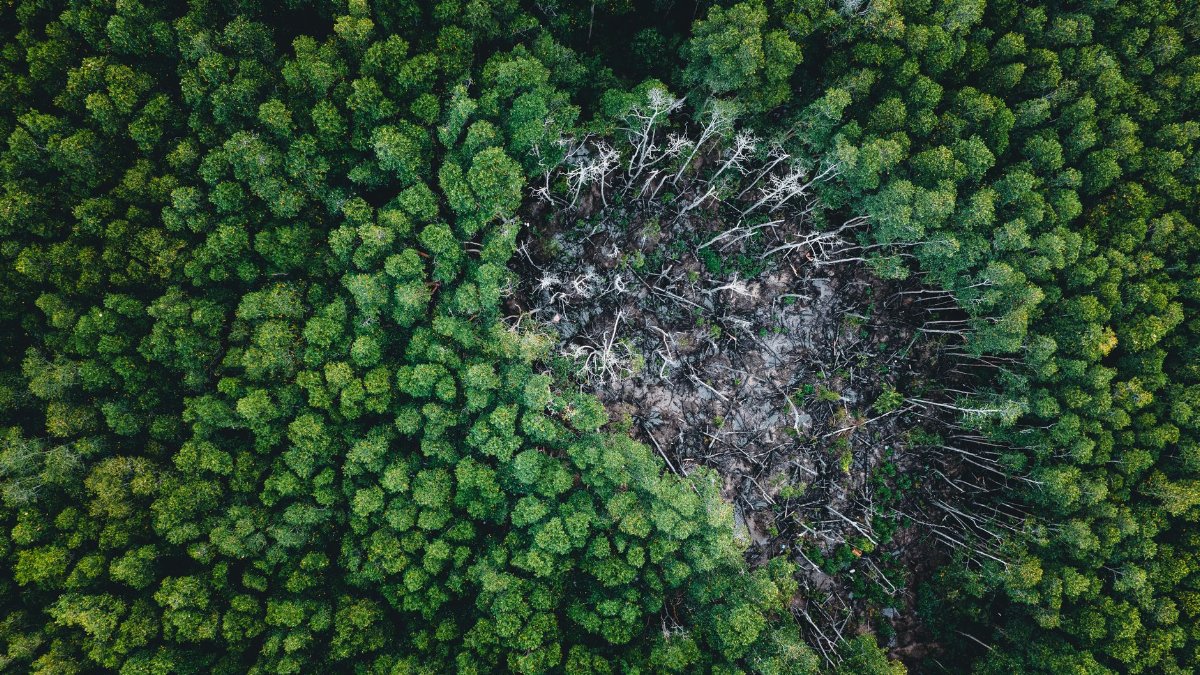
Marsh birds such as rails and bitterns lose nesting cover when the tall reed crowds out shorter plants. Muskrat lodges become harder to build amid the stiff stems. Native wildflowers and sedges that support pollinators decline in treated zones only after several seasons of follow up care. Biologists track these shifts through annual surveys that compare treated and untreated plots.
Funding and Staffing Realities

State grants cover most treatment costs, yet local governments must supply matching funds and staff time. Some counties report delays when trained applicators are booked months in advance. Volunteer groups help with mapping but cannot handle chemical applications. Steady support from the legislature has kept the program intact through recent budget cycles.
Future Outlook if Efforts Continue

Continued vigilance could keep invasive phragmites from becoming a permanent fixture in most Minnesota wetlands. Models based on current growth rates suggest that full containment remains possible within the next decade. Success depends on consistent funding and rapid response to any new patches found during routine surveys. Neighboring states watch the Minnesota results as a potential model for their own early stage programs.