
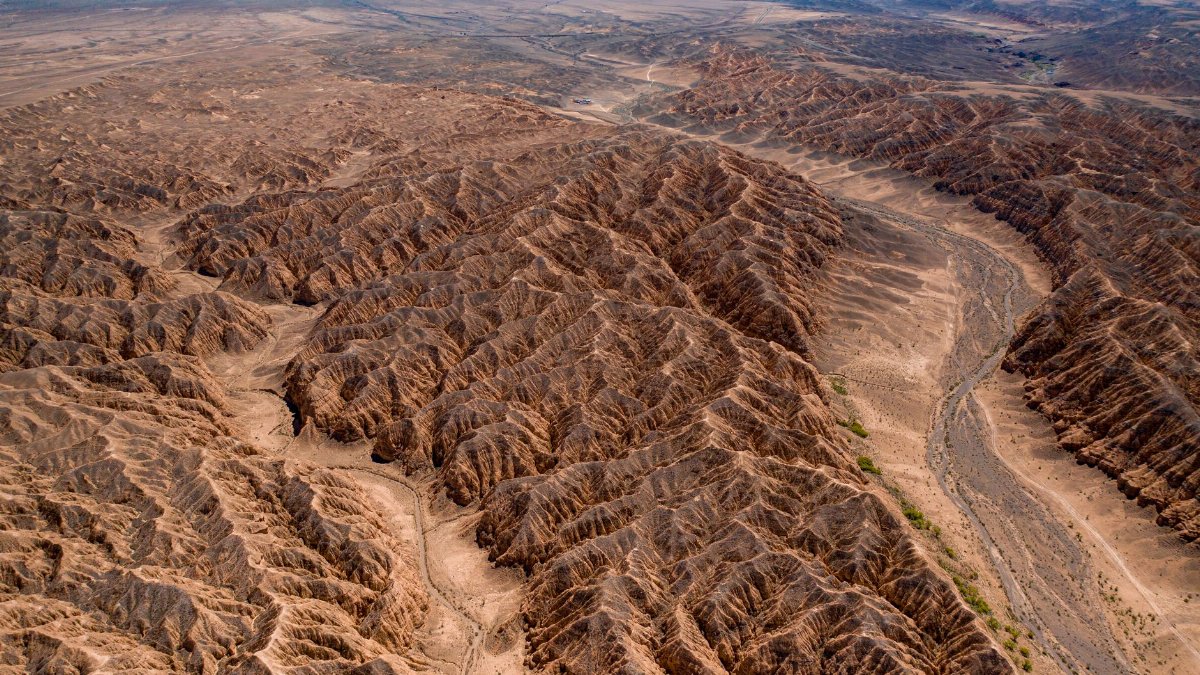
For decades residents across southern California have grown accustomed to the possibility of sudden ground shaking that could alter lives in an instant. Recent findings indicate that an extended period of calm now characterizes one of the states most closely watched geological features. The San Andreas fault appears locked in place holding back pressure at levels unmatched in the past millennium according to new calculations from researchers. This extended stillness raises urgent questions about when and how intensely the next release of energy might occur and what that would mean for millions of people living nearby.
Tracing Early Records of Movement

Written accounts and geological evidence show that the fault has produced large shifts at irregular intervals over centuries. Early settlers noted strong shaking events that reshaped landscapes and disrupted communities. Modern analysis of offset landforms confirms these episodes released enormous amounts of stored energy in sudden bursts. Such patterns help experts establish a baseline for what constitutes normal behavior versus the current unusual pause.
Measuring Accumulated Strain Today

Instruments placed along the fault track slow deformation of the crust as tectonic plates continue their steady push against each other. Data collected over recent years reveal that stress has built to the highest point recorded in a thousand years. This measurement comes from precise surveys that compare current positions with those documented in earlier decades. The findings suggest the system is nearing a threshold where movement becomes inevitable.
Implications for Urban Centers

Los Angeles and other population centers sit close enough to experience severe effects if a major rupture takes place. Infrastructure including highways bridges and pipelines would face intense stress during such an event. Planners have begun updating models to reflect the elevated strain levels now documented. These revisions influence decisions about building codes and emergency routes that could prove critical in the hours after any quake.
Lessons from Earlier Quiet Intervals

Previous stretches of reduced activity along the fault eventually ended with significant releases that affected wide areas. Examination of tree rings and sediment layers provides clues about the timing and scale of those past episodes. Each case shows that longer periods of quiet often precede more extensive movement. This historical context places the present situation in perspective without offering precise predictions.
Community Readiness Efforts

Local agencies have expanded programs that encourage households to store supplies and practice response drills. Schools and workplaces conduct regular exercises designed to reduce confusion during the first moments of shaking. Public information campaigns emphasize simple steps such as securing heavy furniture and identifying safe spots inside buildings. These measures aim to limit injuries even if the fault releases energy on a large scale.
Advances in Detection Technology
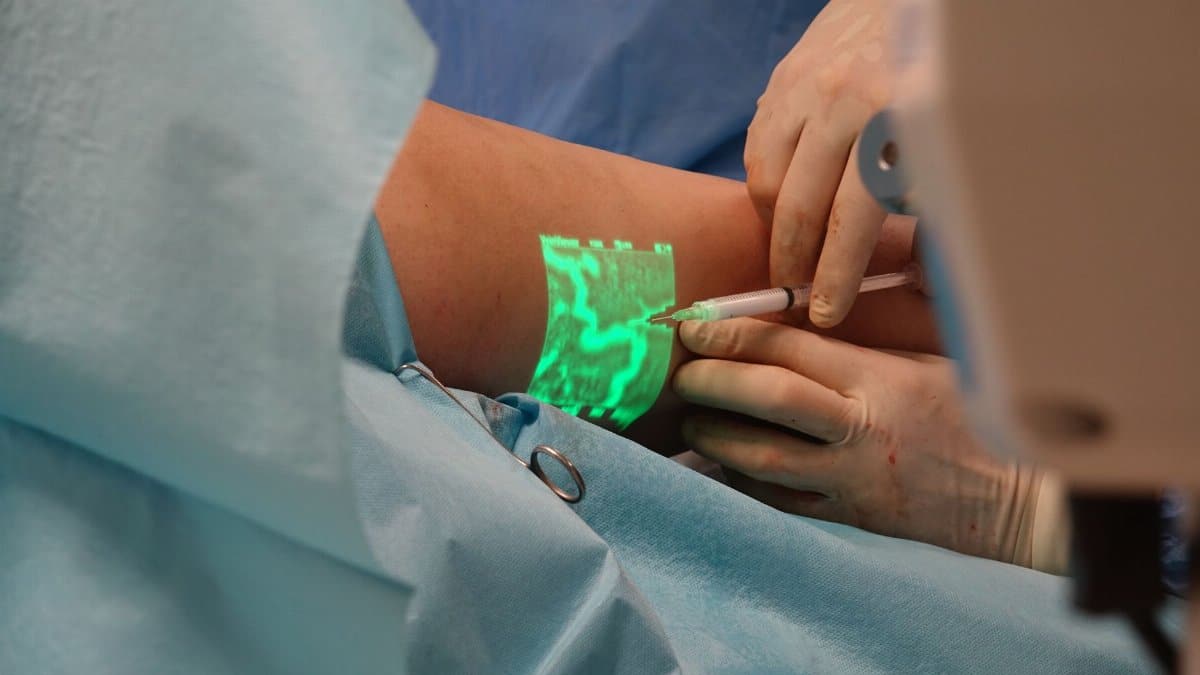
Seismologists now rely on dense networks of sensors that transmit data in real time to central monitoring stations. Satellite observations add another layer by detecting subtle surface changes invisible to ground based tools. Together these systems allow faster recognition of any shift from the current quiet state. Continued investment in such tools improves the ability to issue timely alerts once motion begins.
Broader Regional Effects

A significant event would influence economic activity across multiple states through disrupted supply chains and temporary halts in transportation. Agricultural regions could see damage to irrigation systems while coastal ports might experience interruptions in shipping schedules. Recovery would require coordinated action among government levels and private organizations. Early estimates suggest costs could reach tens of billions of dollars depending on the exact location and magnitude.
Looking Ahead with Measured Caution

Scientists stress that exact timing remains impossible to determine yet the elevated strain level warrants sustained attention. Ongoing research seeks to refine models that incorporate new data on rock properties and fluid movement deep underground. Public officials continue to balance awareness with the need to avoid unnecessary alarm. The goal remains a society that understands the risk without letting it dominate daily life.